

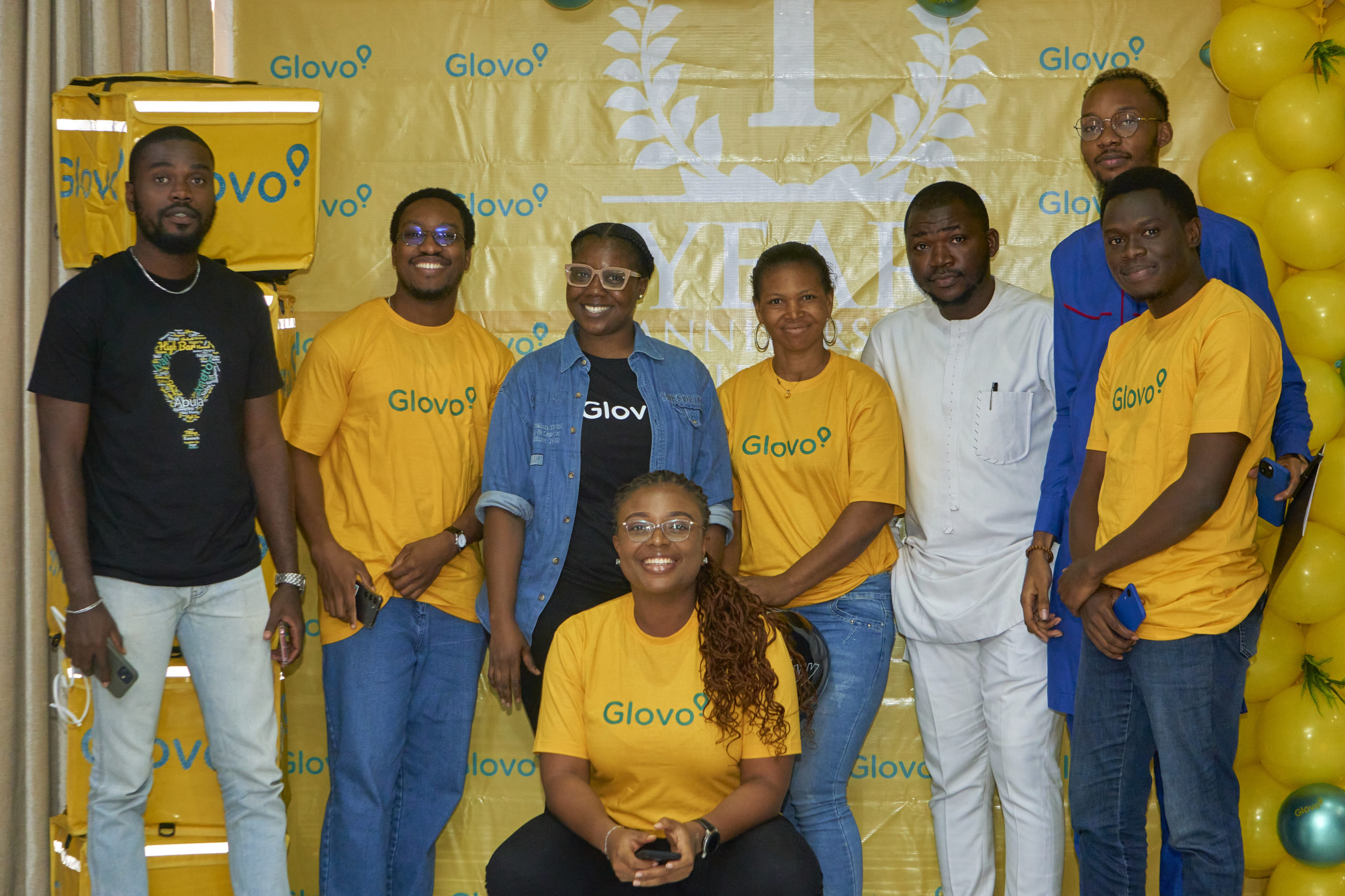
In the rapid evolution of Nigeria’s digital economy, few brands have achieved the ubiquity of Glovo. Since its 2021 launch, the Spanish delivery platform has scaled to 11 cities, supported 6,000 merchants, and generated over ₦71 billion in revenue for local partners. However, by early 2026, the brand is facing a “rupture in integrity” that threatens its very foundation.
As the Hausa proverb says, “Ga fili, ga doki”—“Here is the field, and here is the horse.” For Glovo, the field is a skeptical Nigerian market, and the horse is a platform struggling to maintain its stride amidst a series of reputational storms.
The Twin Crises of Late 2025
Glovo’s transition from a “convenience tool” to a “public concern” was triggered by two distinct but equally damaging scandals:
-
The “Wig Snatching” Allegations: Social media reports surfaced of riders in Glovo-branded gear allegedly snatching expensive wigs from pedestrians in Lagos. While potentially involving impersonators, the company’s initial silence allowed the brand to be linked to street-level criminality in the public eye.
-
The Corporate Ewa Agoyin Scandal: On December 29, 2025, a prominent Lagos food vendor revealed that an impersonator had been operating her brand on Glovo for nearly a year. This exposed a critical failure in Glovo’s vendor verification and raised alarming questions about food safety and intellectual property protection.
The Expert Verdict: “Trust is the Product”
Communications and digital transformation experts argue that Glovo’s “holding statement” issued on December 31, 2025, was technically sufficient but emotionally hollow.
-
Platform Integrity: Analyst Chinwendu Ohakpougwu noted that the crisis isn’t about PR, but about “perceived platform integrity.” In a marketplace, the platform acts as the validator; if a user cannot trust that a vendor is real, the business model collapses.
-
The “Trust Debt”: Experts suggest that Glovo’s rapid growth outpaced its governance. By prioritizing fast onboarding over rigorous physical verification, the company accumulated “trust debt”—a liability that came due when the Corporate Ewa scandal went viral.
Glovo Nigeria by the Numbers (2025 Retrospective)
| Metric | Achievement / Data Point |
| Partner Revenue | Over ₦71 Billion |
| Quick Commerce Growth | 76% Year-over-Year |
| Digital Payment Adoption | Increased from 12% to 61% |
| Google Play Negative Reviews | 169 (Focusing on payment & delivery) |
| Active Riders | ~2,400 (Earning 2-3x minimum wage) |
The 2026 Roadmap to Redemption
To survive “the fall” and rebuild its trajectory in Nigeria, industry analysts recommend five immediate actions:
-
Transparent Investigation: Publicly disclose the scope of the vendor impersonation issue.
-
Physical Onboarding: Shift from purely digital sign-ups to physical location verification for all new merchants.
-
Merchant Support: Create a dedicated “Brand Protection” team to handle intellectual property complaints within 24 hours.
-
Verification Badges: Introduce clear, non-forgeable “Verified Merchant” badges on the app UI.
-
Accountability: Shift from growth-centric metrics to trust-centric KPIs (e.g., successful dispute resolution rates).
Conclusion
Glovo has the technology and the market position to remain a leader in Nigeria’s urban economy. However, 2026 will be the year that determines if the “Yellow Giant” can transition from a service that provides speed to one that provides security. The field is open, and the horse is ready; whether Glovo can ride effectively depends on its willingness to prioritize the merchant and the consumer over the bottom line.
