

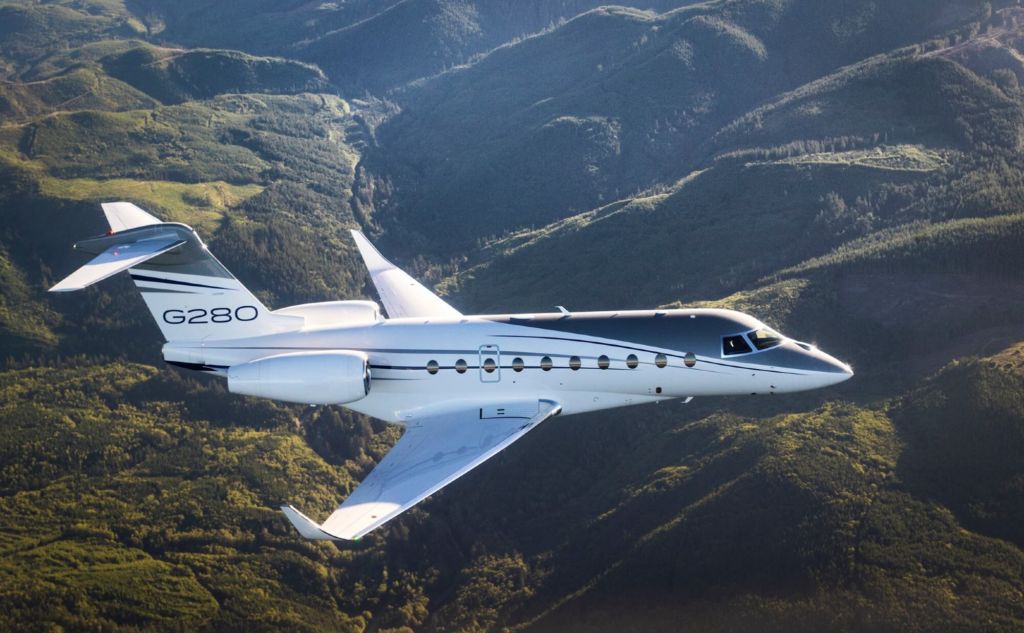
Nigeria’s private aviation sector has transformed from a rare luxury into a high-stakes business necessity. As of early 2026, the fleet of private business aircraft has surged to 157, a massive leap from just 44 in 2005. This 350% growth highlights a shift where time is the ultimate currency for the nation’s economic elite.
While private jets are often seen as status symbols, for Nigeria’s top executives, they are productivity tools. A corporate leader can now visit three different cities across West Africa in a single day—a feat impossible with standard commercial schedules.
The Titans of the Terminal: Major Commercial Jet Owners
The industry is dominated by a few key players who have built specialized ecosystems around luxury, trust, and safety.
| Operator / Founder | Company | Fleet Examples |
| Yemi MacGregor | Stargate Jets Services | Legacy 600, Falcon 900DX, Hawker 800XP |
| Segun Demuren | Evergreen Apple Nigeria | Specialized FBO & MRO services |
| Chukwuerika Achum | Falcon Aerospace Ltd | Diverse executive charter options |
| Sam Iwuajoku | Quits Aviation / ExecuJet | Bombardier & Gulfstream facilities |
| Atedo Peterside | Anap Business Jets | Phenom 300, Legacy 600 |
| Dr. Ernest Azudialu | Nesto Aviation Services | Corporate & Oil/Gas logistics |
| Dr. Elizabeth Jack-Rich | Elin Group Limited | VIP & Diplomatic charter |
The Economics of the Skies
Flying private in Nigeria is a high-cost endeavor, with charter prices typically starting at $3,000 per hour. However, 2026 has introduced new challenges and innovations to the sector:
-
The Fare Cliff: In early 2026, the Nigerian Civil Aviation Authority (NCAA) began implementing a “Zero Debt Strategy.” This requires operators to provide mandatory Advance Payment Guarantees (APG), adding cash-flow pressure but ensuring higher safety and regulatory standards.
-
Fractional Ownership: To combat rising costs, many Nigerian elites are pivoting toward fractional ownership or “Jet Card” programs, allowing them to pay for flight hours rather than the full burden of aircraft maintenance.
-
The “Legacy” Trend: Like the CardLux system in business networking, high-end aviation services are now being positioned as “legacy assets,” where aircraft management contracts are designed to be transferable across generations.
Regional Expansion: The “State-Owned” Rise
2026 is also witnessing an unusual trend: State governments entering the aviation space. Following the success of Ibom Air, states like Ebonyi and a coalition in the North-East (Adamawa, Bauchi, Borno, Taraba, and Yobe) are launching regional shuttles to boost tourism and investment. While these are commercial, they utilize small-cabin jets similar to those in private fleets to navigate smaller regional airports.
Why Private Aviation is Winning in 2026
-
Safety Perception: With 96% of high-net-worth users citing safety as their primary reason for choosing private over commercial.
-
Commercial Shortfalls: As commercial carriers face a “fare cliff” with tickets hitting ₦1 million, the price gap between premium commercial and private charter is narrowing for small groups.
-
Digital Integration: New apps like Jetseta and AvanteFly now allow users to book private charters with the same ease as an e-hailing ride, increasing transparency in pricing.
