

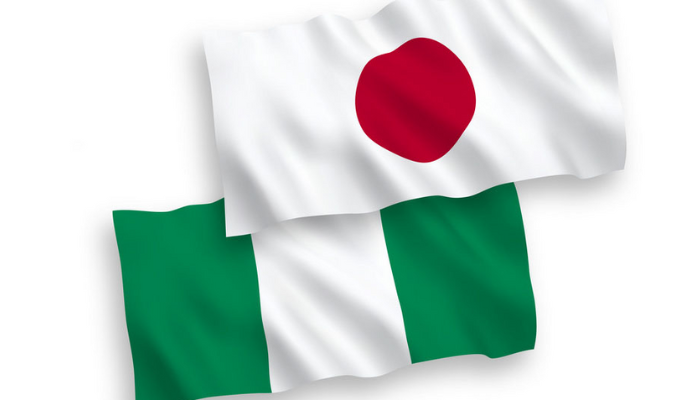
The two-day Japan Business Support (JBS) forum held in Lagos on January 28–29, 2026, has officially set the stage for a new era of bilateral cooperation. Organized by the UNDP, this dialogue aimed to position Nigerian SMEs not just as local players, but as the primary exporters within the $3.4 trillion African Continental Free Trade Area (AfCFTA) market.
The collaboration comes at a time when Nigeria is aggressively seeking “technology transfer” rather than just “finished product imports” to balance its long-standing trade deficit with Japan.
1. The $1 Million Regional Spark
The Lagos dialogue is part of a broader $1 million Japan Supplementary Budget project implemented by the UNDP across four strategic hubs: Nigeria, Ghana, Kenya, and Tanzania.
-
The Objective: To link African enterprises directly with Japanese partners to solve the “last-mile” hurdles of AfCFTA—certification, logistics, and quality assurance.
-
The Training: During the forum, it was revealed that 253 Lagos-based businesses have already been trained through state-backed initiatives to meet rigorous international export requirements.
2. Why Japanese Investors are Looking at Nigeria Now
Zahrah Mustapha Audu, Director-General of PEBEC, delivered a clear message to Japanese delegates: “Absolutely, Nigeria is ready.” She cited several 2026 milestones that have de-risked the entry for Japanese firms:
-
Regulatory Streamlining: A unified foreign exchange market and improved transparency in port operations.
-
Policy Consistency: New fiscal reforms that allow for easier profit repatriation and “B2G” (Business-to-Government) clinics that resolve trade complaints within 72 hours.
-
The “Co-Creation” Model: Moving away from traditional aid, Japan’s TICAD 9 framework (announced in late 2025) emphasizes “Co-creation for Industry,” where Japanese brands like Yamaha, Sony, and Mitsubishi invest in local startups to gain a foothold in the African market.
3. Sector-Specific Opportunities
The forum featured sector roundtables where Nigerian firms actively pitched for Japanese partnerships in four high-growth areas:
| Sector | Local Need (Nigeria) | Japanese Offering |
| Agribusiness | Value-added processing (e.g., sesame, cocoa) | Automated drying & packaging machinery |
| Cosmetics | Organic extract certification | Laboratory testing & quality assurance tech |
| Manufacturing | Low-cost assembly lines | Industrial robotics & automation |
| Fashion/Leather | Standardized mass production | Precision cutting & tanning technology |
4. Addressing the “Documentation Gap”
A critical takeaway from the forum was the warning from Foluke Alakija (MD of Mayden Microfinance Bank): many SMEs remain “unbankable” due to poor record-keeping.
-
The 2026 Goal: The JBS programme is now deploying digital trade portals and step-by-step guides to help Nigerian SMEs move from “informal exports” to structured, data-driven trade under the AfCFTA Protocol on Digital Trade.
The Bottom Line
Nigeria is positioning itself as Japan’s industrial gateway to Africa. By combining Japanese precision with Nigeria’s massive labor force and AfCFTA access, the goal is to transform “Made in Nigeria” into a premium continental brand by 2030.
