

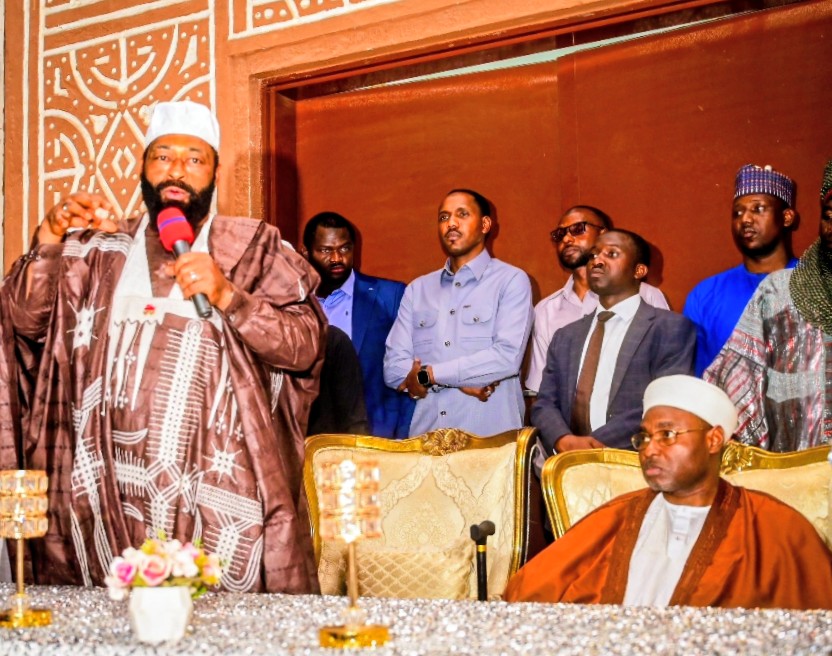
KONTAGORA — Infrastructure in Niger State is getting a private-sector lifeline. Governor Mohammed Umaru Bago has confirmed that the reconstruction of the critical Jebba-Makera-Kontagora Road is moving from the “planning” phase to the “paving” phase. However, the real story isn’t just the asphalt—it’s the financier.
The project is being spearheaded by Aliko Dangote, marking another major entry in the use of private capital to bridge Nigeria’s massive infrastructure deficit.
1. The Logistics of Profit
The Jebba-Kontagora axis isn’t just a local road; it is a vital organ in Nigeria’s inland supply chain. For a conglomerate like the Dangote Group, which relies on a massive fleet of trucks to move cement, sugar, and salt across the North, this isn’t charity—it’s a strategic business necessity.
-
Reduced Overhead: Better roads mean lower vehicle maintenance costs and faster turnaround times for logistics.
-
The “Tax Credit” Play: This project likely falls under the Executive Order 007 (Road Infrastructure Tax Credit Scheme), allowing private entities to construct federal roads in exchange for future tax credits. It’s a win-win: the state gets a road today, and the corporation offsets its tax burden tomorrow.
2. Boosting the “Socio-Economic Status”
Governor Bago, often referred to as the “Farmer Governor,” is positioning this road as the backbone of his agricultural revolution.
The Strategy: Niger State has the largest landmass in Nigeria. By fixing the Kontagora route, the government is effectively “unlocking” thousands of hectares of farmland. Farmers who previously lost crops to spoilage because of bad roads can now reach markets in the South and West with far less friction.
3. Security Through Connectivity
The Governor’s appeal for “vigilance” and “calm” highlights the hidden business benefit of road construction: Security. * Broken roads are traditional “kill zones” for bandits and kidnappers who target slow-moving vehicles.
-
A reconstructed, high-speed corridor allows for better military patrolling and faster commercial transit, indirectly de-risking the entire Kontagora Emirate for future investors.
4. The Stakeholder Alignment
The presence of heavyweights like Senator Abubakar Sani Bello and Federal Rep Abdullahi Idris Garba at the announcement suggests a Rare alignment between local, state, and federal interests. This “political shield” ensures that the project is unlikely to be stalled by bureaucratic red tape, giving the Dangote Group a clear path to execution.
The Verdict
The Jebba-Makera-Kontagora project is a prime example of “Corporate Sovereignism”—where the private sector steps in to perform the core duties of the state to ensure its own commercial survival. For the people of Niger State, it means jobs and transit; for the Dangote Group, it’s about smoothing the path for the next million tons of cargo.
