

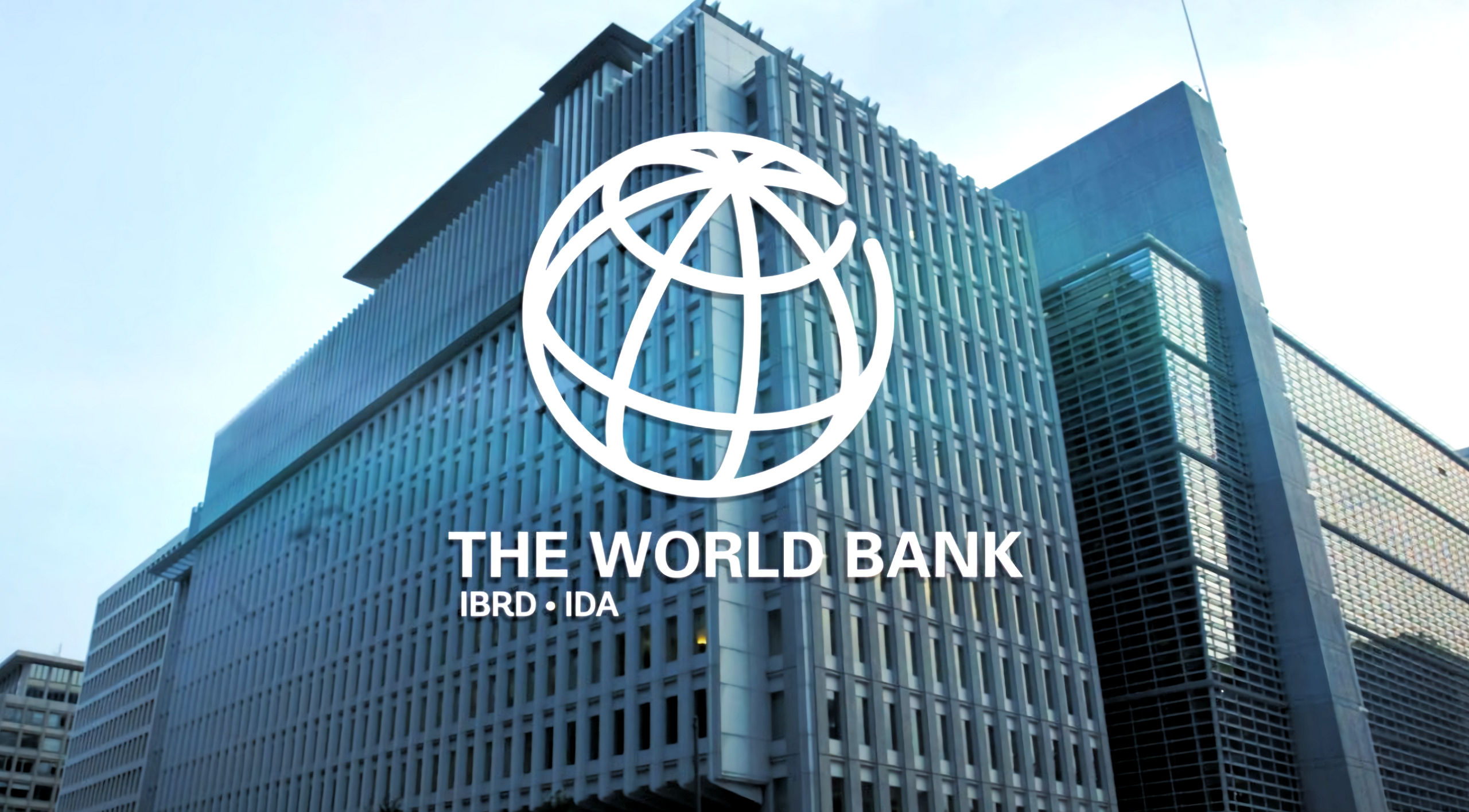
At a landmark World Bank Group Business Opportunities Seminar held in Lagos on January 27, 2026, the global financial institution revealed that Nigerian companies have become a powerhouse in development procurement. Ranking fifth worldwide in contracts awarded to local contractors, Nigeria is no longer just a beneficiary of aid but a leading provider of industrial and technical services.
Ms. Gallina Vincelette, World Bank Vice President for Operations Policy and Country Services, described the achievement as a testament to the growing capacity and competitiveness of the Nigerian private sector.
1. Nigeria’s Global Procurement Footprint (2021–2026)
Over the past five years, Nigerian firms have successfully transitioned into high-value infrastructure delivery.
-
Contract Volume: More than 6,800 contracts have been awarded to Nigeria-based suppliers.
-
Economic Value: The total value of these awards exceeds $2.5 billion.
-
Primary Sector: Over 60% of these contracts are for “city works,” including the construction of roads, bridges, hospitals, and schools.
2. The “30% Local Labour” Mandate
In a major policy shift aimed at domestic job creation, the World Bank announced a mandatory local labour requirement for all major civil works contracts.
-
The Rule: Effective September 1, 2025, at least 30% of all labour costs in World Bank-financed civil works must be spent on local personnel.
-
The Goal: To ensure that global projects translate into immediate community income and long-term skill acquisition for Nigerian artisans and engineers.
3. A $250 Billion Opportunity for Nigerian SMEs
The World Bank highlighted a massive global pipeline that remains open to Nigerian entrepreneurs who are ready to scale beyond domestic borders.
-
Available Financing: $250 billion in approved net commitments across global projects.
-
Volume of Opportunities: Approximately 40,000 active procurement opportunities annually for goods, works, and consulting services.
-
Call to Action: Minister of Budget and Economic Planning, Alhaji Atiku Bagudu, urged Nigerian firms to view these international tenders as their “entry point into the global market,” noting that Nigerian expertise is increasingly celebrated across the continent.
4. Strategic Partnership: World Bank, IFC, and MIGA
To further de-risk private sector participation, the three arms of the World Bank Group are set to sign a joint agreement to:
-
Support Project Operations: Creating a framework for private entities to generate projects that can absorb large-scale capital.
-
IFC Mobilization: The International Finance Corporation (IFC) confirmed it has already crowded in approximately $5 billion to Nigeria over the past year, with plans to increase this significantly through 2026.
-
MIGA Guarantees: Providing political risk insurance to encourage more private-sector-led infrastructure projects.
2026 Global Procurement Snapshot
| Metric | World Bank Global Pipeline | Nigeria’s 5-Year Performance |
| Total Value | $250 Billion | $2.5 Billion |
| Number of Contracts | 40,000 (Annual) | 6,800 (Cumulative) |
| Global Rank (Local Awards) | N/A | 5th Worldwide |
| Local Labour Minimum | 30% of Labour Costs | Adopted |
The Way Forward
The message for 2026 is clear: Nigeria’s economic reforms and the successful delivery of domestic projects have built a global “trust surplus.” As Bagudu noted, the goal is for Nigerian construction companies and artisans to become “market shapers” across Africa and the world.
