

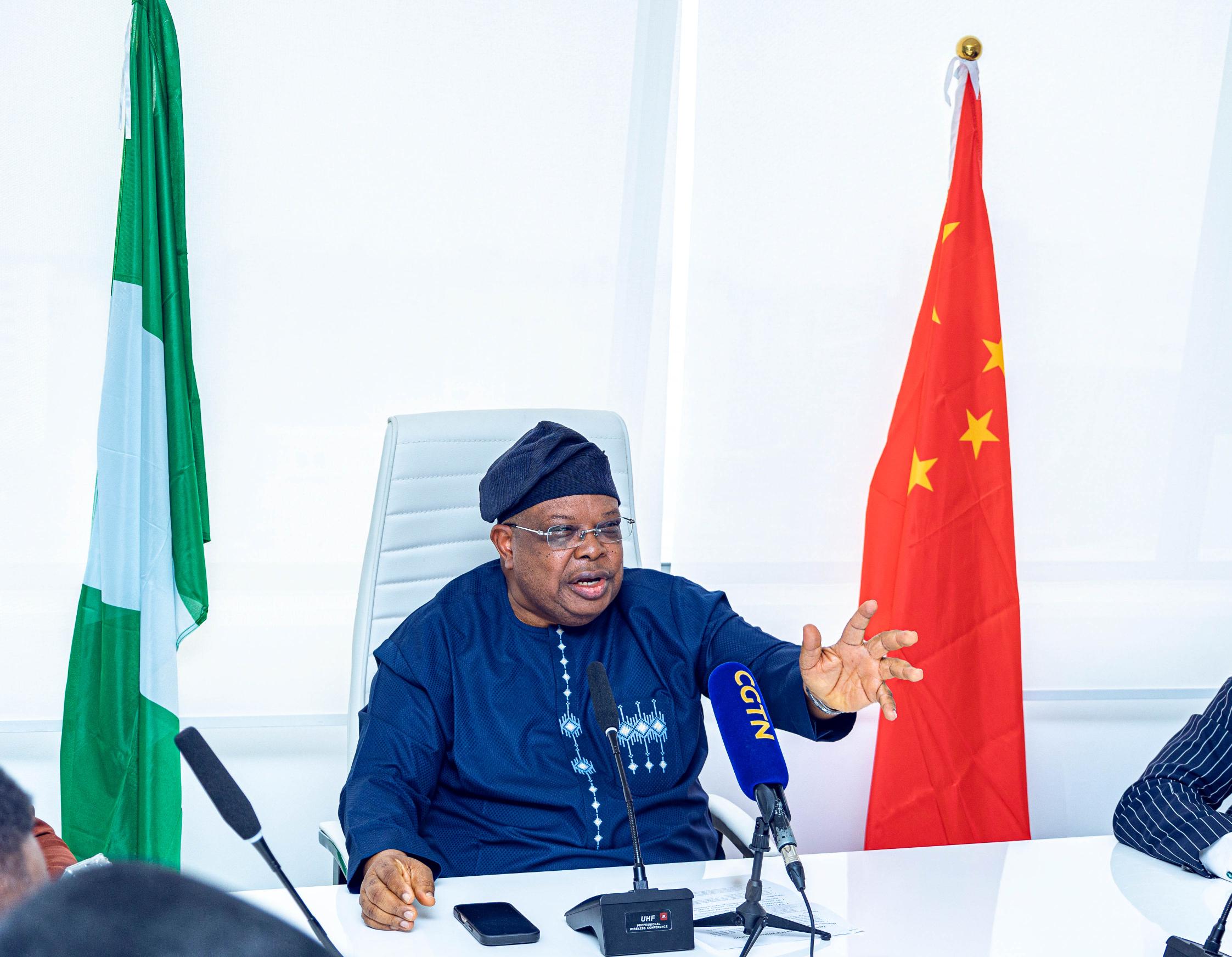
For years, the Gas Revolution Industrial Park (GRIP) in Ogidigben, Delta State, stood as a cautionary tale—a 2,700-hectare testament to how ethnic rivalry and security volatility could paralyze global capital. However, as of January 2026, the narrative has fundamentally shifted. Following a landmark $24.6 billion construction deal under China’s Belt and Road Initiative (BRI), Nigeria has officially emerged as the continent’s largest recipient of Chinese construction engagement.
1. The Scale of Ambition: Why Nigeria?
According to the 2025 BRI Investment Report by Christoph Nedopil, Nigeria’s GRIP-related contracts accounted for a staggering $20 billion of China’s construction activity in Africa last year. This deal is the centerpiece of a recalibrated Chinese strategy:
-
From “Small but Beautiful” to “Capital-Intensive”: Beijing is moving away from dispersed, smaller projects toward high-value, revenue-certain investments tied to energy security.
-
Strategic Depth: With the continent’s largest gas reserves, Nigeria offers China both commercial viability and a foothold in West Africa’s industrial future.
-
The “Gas City” Blueprint: Once operational, GRIP will function as a regional hub for petrochemicals, fertilizers, methanol, and aluminum plants—generating an estimated 250,000 direct and indirect jobs.
2. The Ghost of Ogidigben: Overcoming the “Security Tax”
The project’s path to 2026 was littered with failures. In 2018, long-standing tensions between the Ijaw and Itsekiri communities, coupled with militant demands for “protection fees” exceeding $30 million, forced Saudi-linked investors to pull out.
The revival of GRIP is largely attributed to the Tinubu administration’s 2022-2025 security pivot, which involved:
-
The Steering Committee Model: Creating a Technical Working Group to resolve local land and royalty disputes.
-
The Reform Dividend: High-level diplomatic engagements at the 2024 FOCAC meeting, where President Tinubu repositioned Ogidigben as a “National Priority” under the Renewed Hope Agenda.
3. Strategic Implications: China vs. The World
For China, backing GRIP is about more than gas; it is about regional influence. As competition with Western and Gulf partners intensifies, Beijing is securing long-term industrial value rather than just providing sovereign-funded public works.
However, the sheer scale of the $20 billion commitment has revived critical debates:
-
Debt Sustainability: Can Nigeria manage the fiscal strain of such massive construction debt?
-
Local Content: Authorities are under pressure to ensure the project delivers genuine technology transfer to the Niger Delta, rather than operating as an isolated Chinese enclave.
The Bottom Line
If successfully executed, GRIP will be the most consequential Belt and Road project in Africa. It represents the transition of Nigeria’s gas from a “by-product of oil” to the “infrastructure of industrialization.” In the 2026 global energy landscape, Ogidigben is no longer a dormant site; it is the laboratory where Nigeria and China are testing the future of African manufacturing.
