

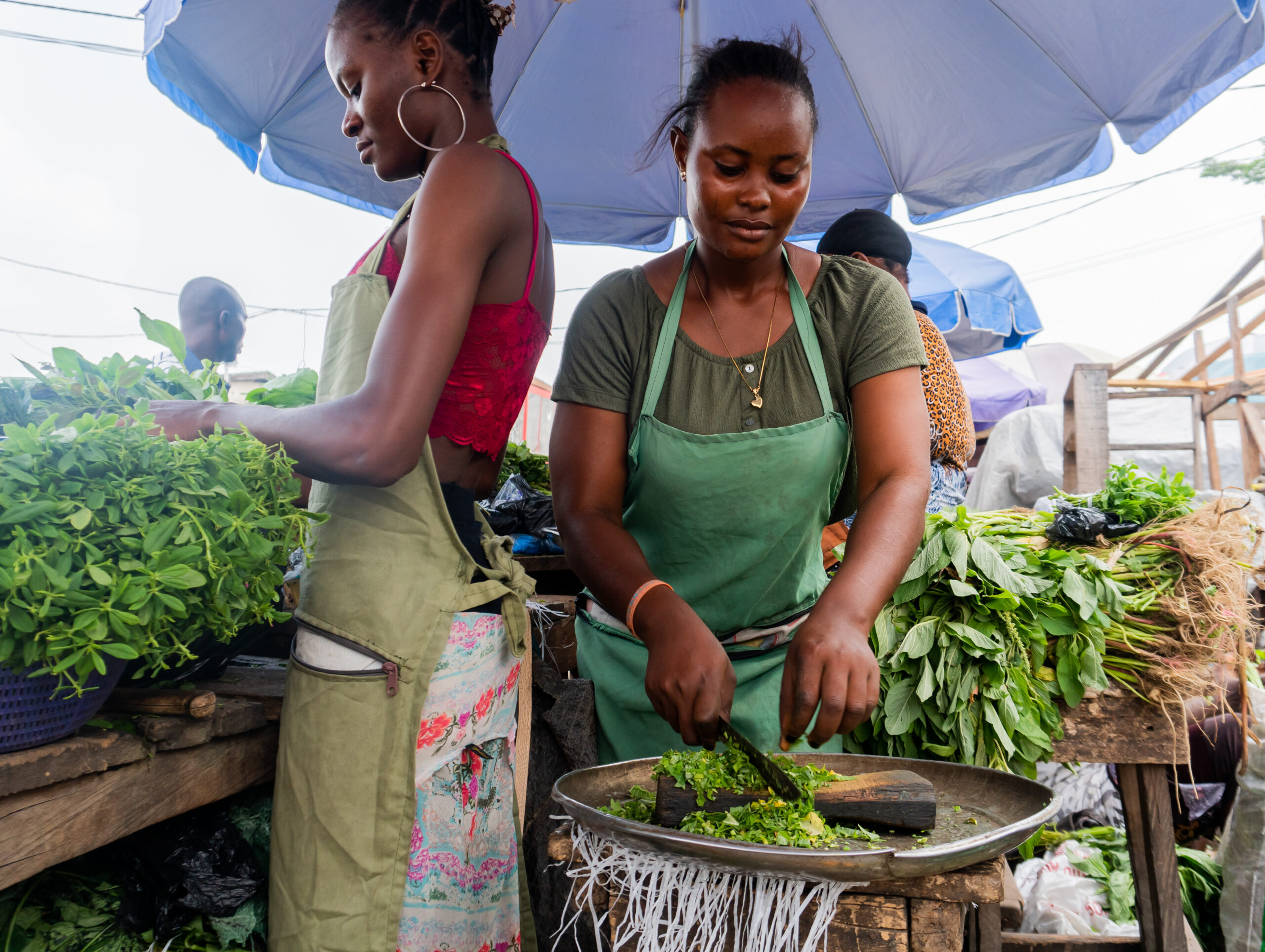
A new report from civic tech organization BudgIT, titled ‘The State of Women’s Economic Empowerment in Nigeria,’ exposes a critical paradox: while women make up more than half of the informal workforce in 29 out of Nigeria’s 36 states, the financial systems meant to support them are fundamentally failing. The report reveals a widespread failure by state governments to implement budgeted funds for women entrepreneurs, creating a severe funding gap that sidelines the majority of the nation’s informal economic drivers.
The informal sector—economic activities not officially regulated or registered—accounts for a huge portion of Nigeria’s economy, with women comprising up to 50 per cent or more of this employment base across most states.
The Failure of Implementation
A key finding from the analysis shows a stark discrepancy between policy and action at the state level. Several states, including Oyo, Adamawa, Edo, Niger, Ondo, and Bayelsa, have explicitly budgeted funds for women entrepreneurship initiatives but have not implemented them.
This pattern raises serious questions about the commitment to women’s empowerment and economic stability in the informal sector, despite the vital role these women play in sustaining household economies.
Federal Interventions Fall Short
The failure to reach female entrepreneurs is not limited to state governments. The report also criticizes the reach of Nigeria’s flagship intervention schemes:
-
CBN Entrepreneurship Development Programme (EDP): This major training and credit-linkage scheme scored a meager 0.25 out of 1, the lowest possible rating, for its ability to reach women.
-
Minimal Access: The data shows that across multiple states, less than 0.4 per cent of self-employed women successfully accessed this federal intervention program over a three-year period.
The findings underscore a grave risk of a “gendered recession,” as women entrepreneurs—the backbone of the informal economy—are systematically shut out of critical funding access, hindering their ability to scale businesses and secure long-term economic stability.
