

In a significant move for Nigeria’s industrial sustainability sector, Polysmart Packaging Group has successfully closed a $5 million equity placement. The transaction, announced on March 3, 2026, was facilitated by Verdant Capital, acting as the exclusive financial adviser through its investment banking arm, Verdant IMAP.
The capital, sourced from a private Africa-focused investor, is earmarked to scale Polysmart’s recycling infrastructure and reinforce its position as a leader in the production of high-grade recycled resins.
Scaling Food-Grade Recycling
Based in Ogun State, Polysmart has spent over a decade specializing in the transformation of plastic waste into value-added industrial materials. The new funding will specifically target:
-
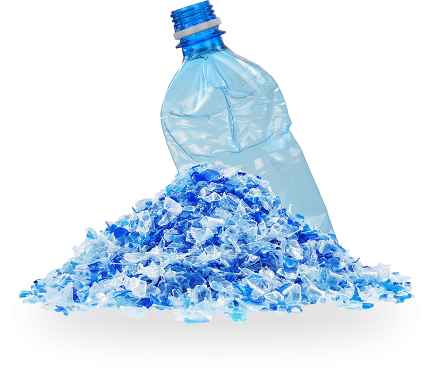
rPET Processing: Expanding the capacity to produce recycled polyethylene terephthalate (rPET).
-
Food-Grade Standards: Utilizing advanced European technology to produce pellets that meet the stringent safety requirements of international beverage and bottling companies.
-
Supply Chain Integration: Strengthening the company’s ability to serve as a primary circular-economy partner for domestic and export markets.
The Macro Context: Nigeria’s Plastic Challenge
The investment comes at a critical juncture for environmental policy in Nigeria. With the United Nations Environment Program noting that packaging accounts for 63% of Nigeria’s plastic waste, the transition to recycled materials is moving from “voluntary” to “mandatory.”
Key Regulatory Drivers:
-
Extended Producer Responsibility (EPR): Nigerian authorities are tightening rules that hold manufacturers accountable for the lifecycle of their packaging.
-
2029 Recycled Content Target: New regulations will require PET bottles in Nigeria to contain at least 25% recycled plastic by 2029.
-
The Global Gap: While global plastic production has doubled in two decades, only 9% is currently recycled, creating a massive market opportunity for high-capacity processors like Polysmart.
Strategic Impact: From Waste to Resource
This $5 million injection positions Polysmart at the forefront of Africa’s “Green Industrial Revolution.” By converting discarded bottles into food-grade resins, the company is helping major brands reduce their carbon footprints and comply with emerging environmental laws.
For the Nigerian economy, this deal represents more than just a capital raise; it is a validation of the circular economy as a viable, high-growth investment asset class.
