

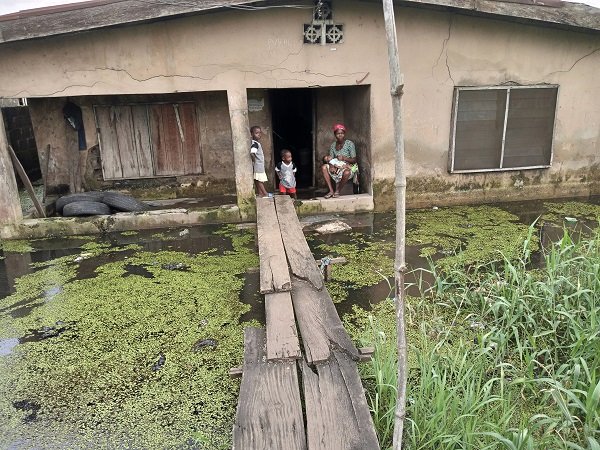
LAGOS — Nigeria’s commercial nerve center is currently grappling with a “ticking time bomb” in its real estate sector. According to a state-of-the-emergency alert issued on Sunday, February 22, 2026, by the Housing Development Advocacy Network (HDAN), soaring rental prices are systematically pushing millions of hardworking Nigerians into housing poverty and severe financial distress.
Barrister Festus Adebayo, Executive Director of HDAN, warned that the crisis has transcended simple market fluctuations and now threatens the social stability of the city’s workforce.
The Anatomy of a Crisis: Why Rents are Skyrocketing
The current surge is not accidental but the result of a “perfect storm” of structural and economic failures:
-
The Luxury Shift: Rising construction costs and FX fluctuations have driven developers away from the affordable market. Most new projects now target high-net-worth individuals or short-let investors, leaving the average worker with dwindling options.
-
Displacement Pressure: Recent urban renewal exercises and demolitions have left thousands of families homeless, forcing them back into an already saturated rental market and further driving up demand.
-
Supply-Demand Mismatch: Lagos attracts thousands of job seekers daily, but the increase in housing units has not kept pace with the population explosion.
-
The Mortgage Gap: Nigeria’s weak mortgage system remains “cash and carry,” leaving middle-income earners with no choice but to rely on high-interest rental agreements.
A Tale of Two Cities: Mainland vs. Island Rents (2026)
The Call for a “Housing Emergency”
HDAN is urging both Federal and State governments to stop viewing housing as a luxury and start treating it as a social service. The network’s 2026 manifesto includes four urgent demands:
-
Social Rental Schemes: Direct government investment in housing specifically for low-income earners.
-
Rent-to-Own Incentives: Providing tax breaks for developers who implement incremental ownership models.
-
Tenancy Regulation: Stronger enforcement to prevent arbitrary and exploitative rent hikes.
-
Infrastructure Buffers: Opening up satellite towns with better transport links to reduce the “inner-city squeeze.”
“When citizens cannot afford decent shelter, the consequences show up in health, productivity, security, and urban stability,” says Barrister Adebayo. “The government must treat this as an emergency.”
