

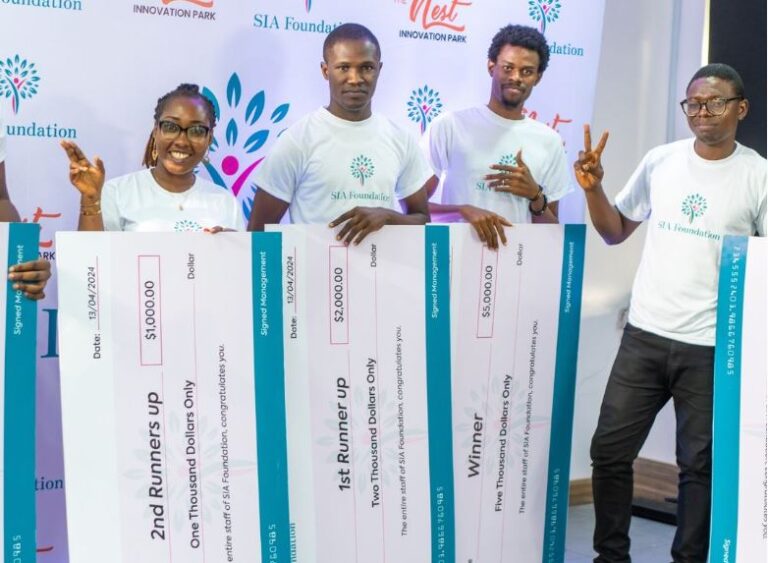
LAGOS — The Sola and Ibukun Adeyinka (SIA) Foundation has officially opened applications for the third cohort of its SIA Startup Foundry. This intensive accelerator program is designed to bridge the structural and institutional gaps facing early-stage Nigerian entrepreneurs, offering six selected ventures the chance to share a $10,000 (over ₦13 million) grant pool.
As the Nigerian economy pivots toward an “export-first” and production-heavy model, the SIA Startup Foundry aims to equip founders with the “formal support systems” required to build sustainable, job-creating businesses.
Program Roadmap: From Bootcamp to Demo Day
Selected founders will undergo a rigorous training program designed to move their ventures from “innovative ideas” to “investor-ready” enterprises.
-
Intensive Bootcamp: Curriculum covers financial management, sales systems, legal foundations, leadership, and digital marketing.
-
AI Integration: A key focus of the 2026 cohort is the use of Artificial Intelligence (AI) tools for business growth and operational efficiency.
-
Mentorship & Networking: Direct access to industry leaders and a peer network that extends beyond the program duration.
-
Investor Exposure: The program culminates in a Demo Day, where startups pitch to potential investors for scale-up capital.
Key Program Features & Eligibility
The program has seen a surge in interest, with applications doubling between the first and second cohorts—a sign of growing founder confidence in the foundry’s impact.
Government Synergy: Zero-Interest Loans for Micro-Entrepreneurs
While the SIA Foundation targets scalable startups, the Federal Government is simultaneously launching a safety net for micro-businesses. Through the MarketMoni and TraderMoni programs, market women and artisans can access:
-
Zero-interest loans of up to ₦100,000.
-
Target: Small-scale traders looking to restock inventory or expand working capital.
-
Impact: Promoting economic inclusion at the very base of the “missing middle”.
Analysis: Building the “Next Category” of Leaders
For the Nigerian economy to reach its $1 trillion goal, it requires a pipeline of companies that have refined their models under “structured guidance” rather than relying on “retained earnings and prayer.”
