

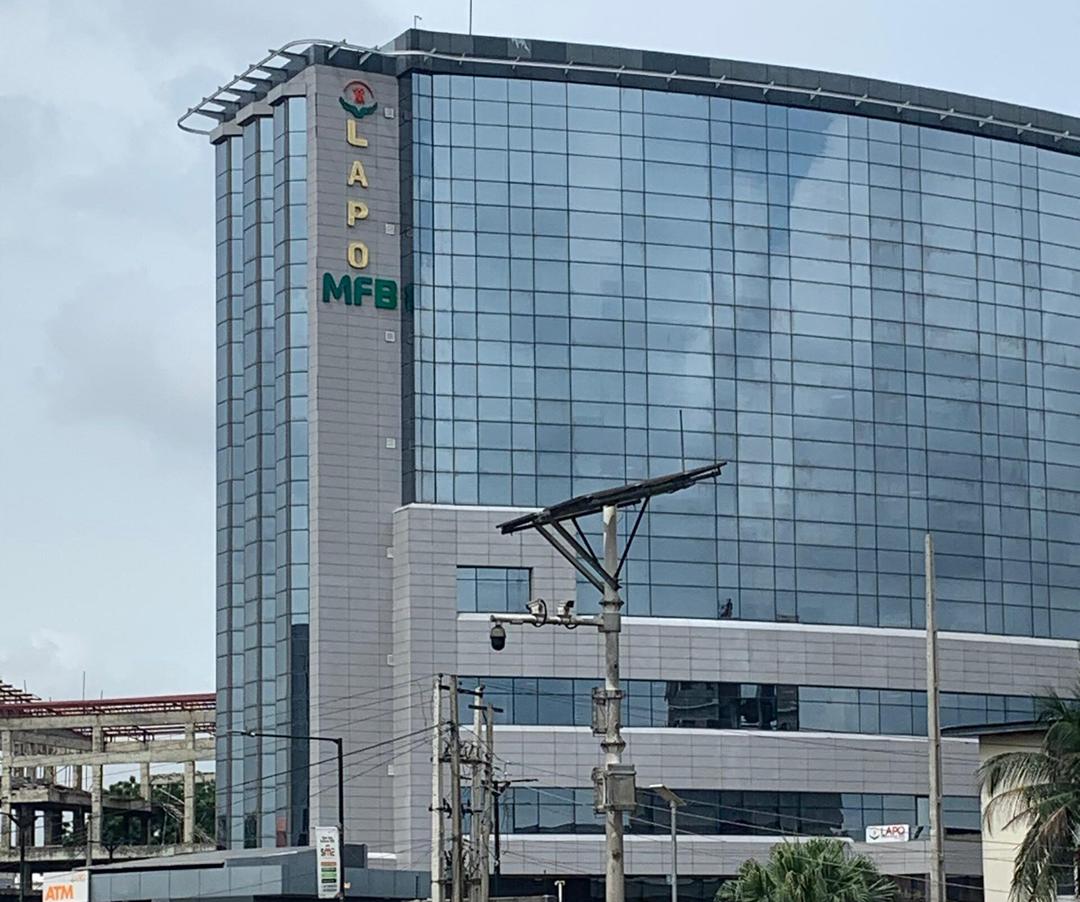
LAGOS — As Nigeria grapples with escalating environmental risks, LAPO Microfinance Bank Limited has solidified its role as a leader in “climate-resilient financing.” At the Sustainable Finance Conference 2.0 held in March 2026, stakeholders adopted a comprehensive 11-point action plan designed to shield vulnerable communities from the economic shocks of climate change.
The conference, themed “Microfinance for Climate Resilience: Empowering Communities, Driving Innovation, Shaping Policies,” brought together a powerful coalition of regulators, Professor Franklin Nnaemeka Ngwu of Lagos Business School, and development partners like the World Savings and Retail Banking Institute (WSBI).
The 11-Point Blueprint: A Green Revolution for Small Business
The adopted action plan moves beyond general sustainability talk to specific, bankable financial instruments. Key pillars include:
-
Product Diversification: Expanding access to renewable energy financing (solar home systems), sustainable agriculture loans, and micro-insurance.
-
Blended Finance Models: Combining public grants with private capital to lower interest rates for “green” borrowers.
-
Green Taxonomy: Developing a unified standard to define and track “green” microfinance projects in Nigeria.
-
Climate Literacy: Intensive training for smallholder farmers and MSMEs to help them understand climate risks and adaptation strategies.
-
Digital Innovation: Using AI and mobile tech to improve climate-risk management and product delivery in remote areas.
Financing the $300 Billion Gap
Keynote speaker Professor Franklin Nnaemeka Ngwu highlighted a sobering reality: Africa faces an annual climate funding gap of over $300 billion. Currently, only 1% of the required $2.5 trillion over the next decade is actually being funded.
“Through innovative financial products and partnerships, we can empower communities to build resilience while creating sustainable economic opportunities,” said Cynthia Ikponmwosa, Managing Director of LAPO MfB.
Strategic Alliances for Impact
LAPO is not acting alone. The 2026 strategy is anchored by several high-impact partnerships:
-
LAPO & WSBI: A pilot program supported by the Visa Foundation targeting 20,000 smallholder farmers, specifically focusing on women-led agribusinesses.
-
Clean Cookstoves Project: Partnering with GreenPlinth Africa to deploy energy-efficient cookstoves, aiming to reduce deforestation while earning carbon credits.
-
Solar Synergy: Continuing its collaboration with Baobab+ and Sun King to bring affordable lighting and power stations to over 100,000 off-grid communities.
Why ESG Matters in Microfinance
The conference emphasized that integrating Environmental, Social, and Governance (ESG) principles is no longer “corporate social responsibility”—it is a risk management necessity. As droughts in the North and floods in the West impact loan repayment cycles, LAPO is embedding climate-risk assessments into its core lending operations.
By placing women and smallholder farmers at the center of this transition, LAPO is ensuring that Nigeria’s climate response is as inclusive as it is innovative.
