

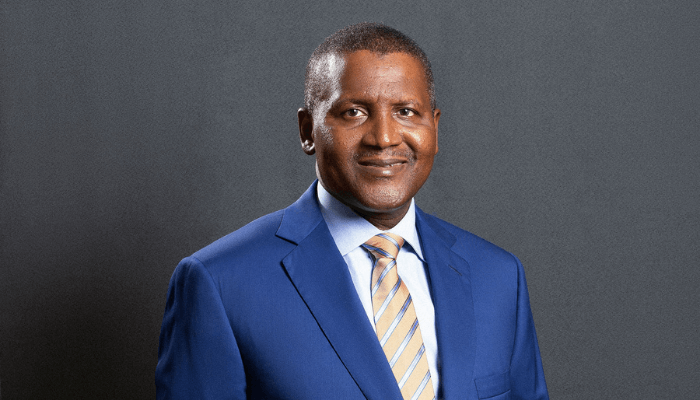
ABUJA — Aliko Dangote, Africa’s wealthiest industrialist, has delivered a blunt ultimatum to Nigeria’s economic planners: the nation’s industrial dreams will remain a “poverty trap” unless the government solves the chronic crisis of electricity and protects local factories from the “dumping” of foreign goods.
Speaking at the national launch of the National Industrial Policy 2025, themed “From Policy to Productivity,” Dangote addressed a room of top-tier officials, including Vice President Kashim Shettima. While he praised recent reforms for stabilizing the Naira and boosting investor confidence, he insisted that policy documents alone cannot turn wheels in a factory.
The Electricity “Retreat”
Dangote’s most urgent recommendation was for the Presidency to convene a dedicated national “power retreat” to resolve the energy deficit once and for all. Pointing to the absurdity of the current manufacturing landscape, he noted that many factories now spend more on diesel and self-generation than on actual production.
“Power means growth. No power, no growth,” Dangote stated, to rounds of applause. In a rare moment of candor, the billionaire—whose refinery produces diesel—remarked: “I would have loved to sell more diesel, but that is not the right way… I would rather there is constant power and I will not produce diesel again.”
The timing of his plea was pointed; it follows a massive five-day national blackout triggered by gas maintenance at Seplat Energy, which crippled production lines across the country between February 12 and 15.
The “Importation of Poverty”
Beyond the grid, Dangote identified a second “existential threat” to Nigerian industry: the lack of protection against foreign imports. He argued that even with zero-interest loans and free land, Nigerian businesses cannot compete if the market is flooded with cheap, subsidized foreign goods.
“Importation of anything is importation of poverty and exportation of jobs,” he declared.
He urged the government to recognize the “constraints” local manufacturers face—such as high interest rates and infrastructure gaps—when setting trade policies. According to Dangote, blocking unnecessary imports is the fastest way to strengthen the Naira and create “massive disposable income.”
A 90% Private Sector Economy
Highlighting the unique structure of Nigeria’s economy, Dangote reminded the audience that the private sector contributes nearly 90% of the GDP, while the government accounts for only 10%. He described the relationship between the state and big business as a “joint venture,” noting that the government is effectively the “major shareholder” through tax collection.
The Dangote Doctrine for 2025:
-
Energy Reform: Move from diesel-dependence to a stable national grid.
-
Industrial Protection: Aggressively defend local manufacturers from “dumping.”
-
Tax Compliance: Businesses must pay their fair share to fuel national development.
-
Buy Nigerian: Manufacture what is consumed to reduce the “burden” on the government.
The Path Forward
The National Industrial Policy 2025 aims to position Nigeria as Africa’s premier manufacturing hub. However, as the delegates left Abuja, the consensus was clear: the policy’s success hinges on whether the government can provide the one thing a manifesto cannot—reliable, affordable electricity.
