

LAGOS & LONDON — The honeymoon period of President Tinubu’s historic UK state visit has officially ended. As the “diplomatic pageantry” at Windsor Castle fades, a fierce debate has ignited within Nigeria’s business and political circles: Did Nigeria secure a victory for its infrastructure, or did it merely sign a massive check for British industry?
While the government celebrates $1.5 billion in commitments, high-ranking business leaders and opposition parties are sounding an alarm over the “asymmetrical” nature of the agreements.
1. The £746m “Tied-Aid” Controversy
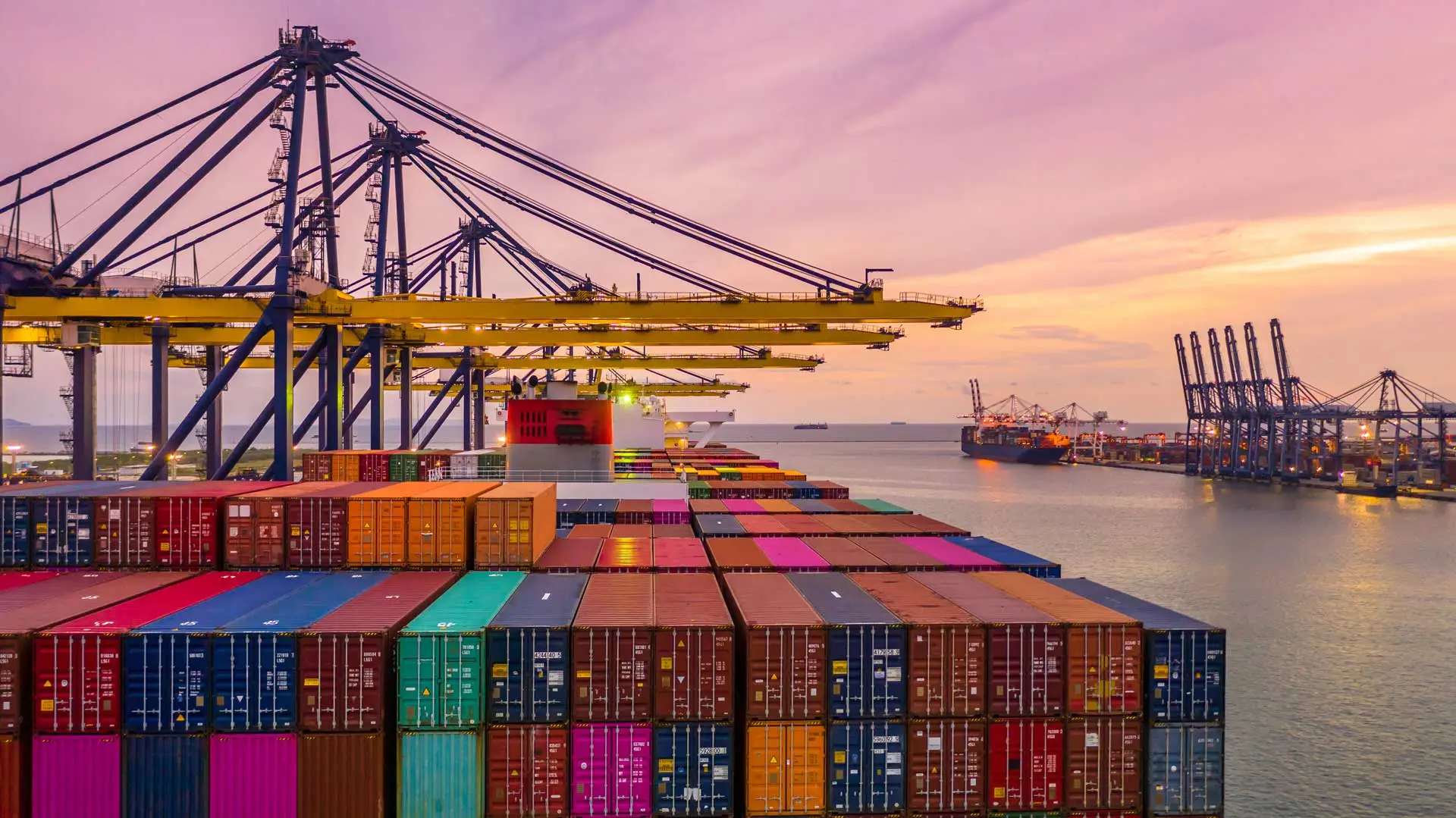
The centerpiece of the visit—the £746 million facility for Apapa and Tin Can Island ports—is under intense scrutiny.
-
The “Mugu” Argument: The African Democratic Congress (ADC) and Dele Oye (former NACCIMA President) argue this is a Buyer Credit Facility from UK Export Finance (UKEF).
-
The Catch: In such deals, the money often never leaves the UK. It is used to pay British contractors directly. For example, £236 million is already locked into UK-supplier contracts, including a £70 million order for British Steel (securing 4,000 UK jobs).
-
The Debt Burden: Nigeria takes on the long-term debt (arranged by Citibank), while the immediate industrial stimulus benefits the British economy.
2. The “Invisible” Diaspora Engine
Dele Oye’s critique centers on a missed $21 billion opportunity.
The Remittance Gap: While the UK celebrated Nigerian culture (Afrobeats and Nollywood), Oye argues the President failed to create a formal “Sovereign Asset” framework for the 500,000+ Nigerians in the UK. Instead of asking for more loans, the critics argue, the government should have launched Diaspora Bonds or preferential investment windows to tap into the $21 billion sent home annually.
3. SME Access: The Missing Roadmap
A major pain point for the Nigerian Chambers of Commerce is the lack of “Market Access” for local businesses.
-
The Critique: The visit focused on “Big Infrastructure” (Ports and Dairy Platforms) but offered no clear strategy for Nigerian SMEs to bypass UK regulatory hurdles and export finished goods back to Britain.
-
The Balance of Trade: Currently, the UK-Nigeria trade volume sits at £8.1 billion, but it is heavily skewed in favor of UK services and manufactured goods.
4. Private Sector vs. Government Diplomacy
The $1.5 billion figure includes private-sector wins that critics say would have happened anyway:
-
Twining’s Ovaltine: A £24 million investment in a Lagos plant.
-
Fintech Success: Nigerian firms like Zenith, Moniepoint, and LemFi expanding in London.
-
The Argument: These are “private sector resilient” moves rather than the result of a coordinated government trade strategy.
The Business Impact
For a company dealing in Nigerian business, this news signals a transparency risk. The call for the Federal Government to disclose interest rates, repayment terms, and local content quotas is growing louder. If the port deal doesn’t mandate a high percentage of Nigerian engineering and labor, the project might improve “port efficiency” but fail to stimulate “domestic industrial growth.”
