

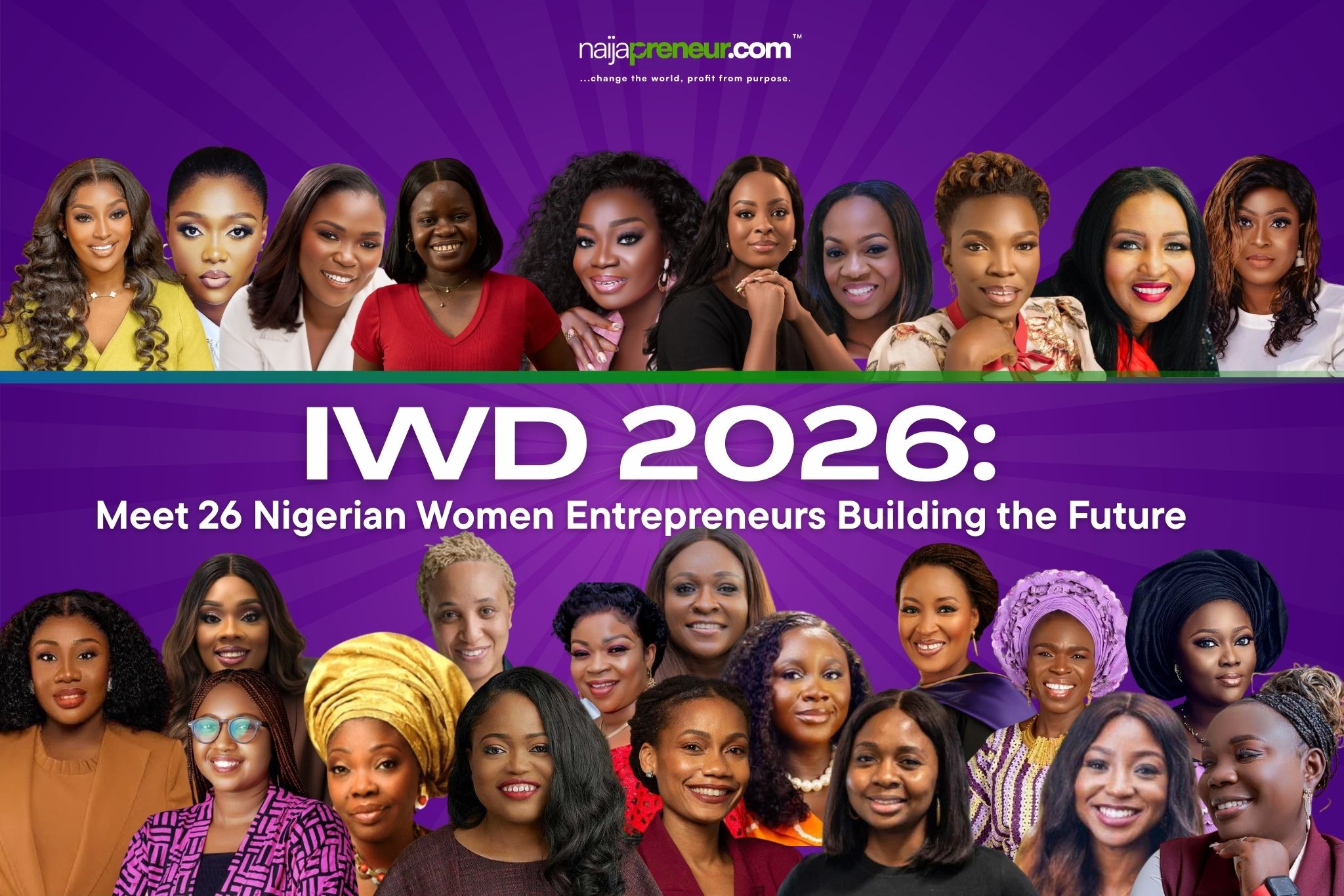
International Women’s Day 2026 arrives at a pivotal moment for Nigeria. As our nation navigates economic recalibration, currency fluctuations, and the urgent need for homegrown solutions, one truth has never been clearer: the future of Nigerian enterprise is female.
This year, naijapreneur.com set out to identify 26 Nigerian women entrepreneurs who are not merely surviving the current economic climate but thriving within it—building institution-grade companies, creating dignified employment, and solving fundamental problems with ingenuity and resilience. These are Nigerian women entrepreneurs who have moved beyond the “hustle culture” narrative to establish businesses with fiscal visibility, strong governance, and genuine scalability.
IWD 2026: Meet 26 Nigerian Women Entrepreneurs Building the Future
(The Criteria)
Our selection criteria for the 2026 edition focused on five key metrics:
Fiscal Visibility & Compliance:
In an era of tightening fiscal policy, we prioritized founders with clean books, auditable accounts, and transparent operations that make them credible to regulators, financial institutions, and potential investors.
Revenue Quality & Local Value Addition:
We sought businesses rooted in genuine demand and local value creation—enterprises generating sustainable revenue while reducing import dependency and strengthening domestic supply chains.
Industry Impact:
Each honoree has demonstrably moved the needle in her sector, whether bridging gaps in food security, revolutionizing financial inclusion, or building critical infrastructure in underserved industries.
Scale & Employment Generation:
We evaluated the tangible scale of operations—number of employees, geographic reach, and the breadth of value chains touched.
Ecosystem Building:
Finally, we celebrated women who use their platforms to lift others—through employment, mentorship, supplier inclusion, or advocacy that creates pathways for the next generation.
The result is a tapestry of Nigerian womanhood: founders in Lagos and Kaduna, in fintech and farming, in their twenties and their sixties. Some are household names; others are just emerging into their spotlight. All are worthy role models for this year’s International Women’s Day.
Join us in celebrating these 26 remarkable women.
IWD 2026: Meet 26 Nigerian Women Entrepreneurs Building the Future (The Honorees)
| Metric | Value |
|---|---|
| Entrepreneurs Featured | 26 |
| Industries Represented | 14 |
| Estimated Jobs Supported | 25,000+ |
| Combined Years in Business | 250+ |
| States Represented | 10+ |
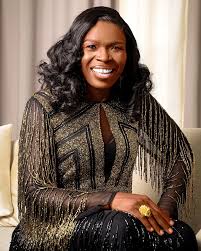
1. Kemi Oladunni Fajana
(CEO, TwinsFaja Group)
· Age: 51 years
· Company: TwinsFaja Group (Building Materials, Supermarkets, Oil & Gas, Real Estate)
· Website: TwinsFaja.com
· Industry: Conglomerate
· Years in Business: 31 (Business roots trace to 1994; incorporated 2007)
Some stories begin with venture capital and pitch decks. Kemi Fajana’s story begins with 50 bags of cement and a husband’s small business in Abule-Odu, Alimosho, Lagos. Today, that story has become one of the most remarkable wealth-building narratives in Nigerian business .
In the mid-1990s, Taiye Fajana started in the building materials industry working under a boss. After four years of learning the trade, he gained independence in 1993, receiving 50 bags of cement and iron rods on credit from his former boss. The business grew slowly, known locally as “Taiye Onirin” and “Taiye Abaranje” .
Kemi was running her own enterprise at the time—selling baby products and braiding hair in Ikotun Market. When she married Taiye and began observing the business closely, she didn’t like what she saw. The finances were unstructured. Recruitment was haphazard. Distribution lacked system. She believed her involvement could make a difference .
In 2007, the couple formally incorporated TwinsFaja Nigeria Limited. They were still selling modest quantities. But Kemi brought something transformative: exposure to global markets. Traveling to Ghana, Dubai, the United States, and the United Kingdom, she absorbed fresh ideas. She noticed how Ghanaian businesses used Ankara uniforms for brand identity and introduced the practice at TwinsFaja. She began importing baby products and other goods, diversifying beyond building materials .
The growth accelerated dramatically. Today, TwinsFaja buys directly from manufacturers and sells millions of bags of cement monthly. The company has expanded into supermarkets—13 branches across Lagos and Ogun States—plus oil and gas, real estate, and a logistics fleet of over 100 trucks with 60-ton capacity each. Annual turnover exceeds $20 million, with some estimates reaching $30 million .
The journey has weathered devastating blows. During the EndSARS protests, one of their Ikotun supermarkets was completely looted. Insurance compensation covered only N4.5 million of the losses, leaving a $1 million gap. Yet the business persevered .
In January 2026, TwinsFaja shone brightest at the Dangote Cement Distributors’ Award Ceremony at Eko Hotel. Before Africa’s richest man and an audience of industry giants, Kemi Fajana was recognized as the number one Dangote Cement distributor in Lagos and Ogun States, and number seven nationwide .
Why She’s a Role Model for IWD 2026:
Kemi Fajana represents something increasingly precious in Nigerian entrepreneurship: the power of partnership, patience, and playing the long game. She didn’t build a unicorn in five years; she built a multi-million dollar conglomerate over three decades, alongside her husband, while raising three children. Her journey from selling baby items and braiding hair to operating a diversified empire is a testament to what hard work, perseverance, and collaboration can achieve . For women who feel that entrepreneurship requires choosing between family and business, Kemi offers living proof that integration—messy, challenging, ultimately rewarding—is possible. And for anyone who doubts what a woman with secondary school education can achieve, her story is the ultimate rebuttal .
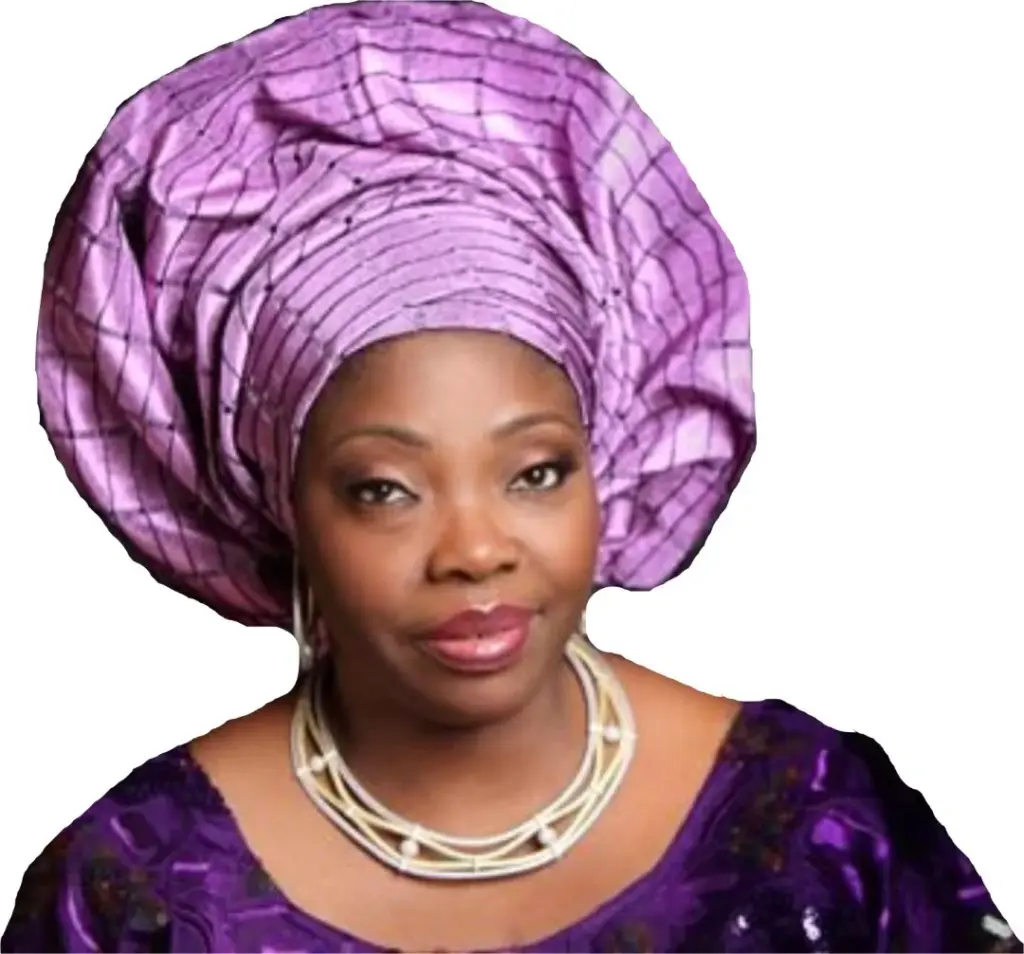
2. Kehinde Kamson
(Founder, Sweet Sensation)
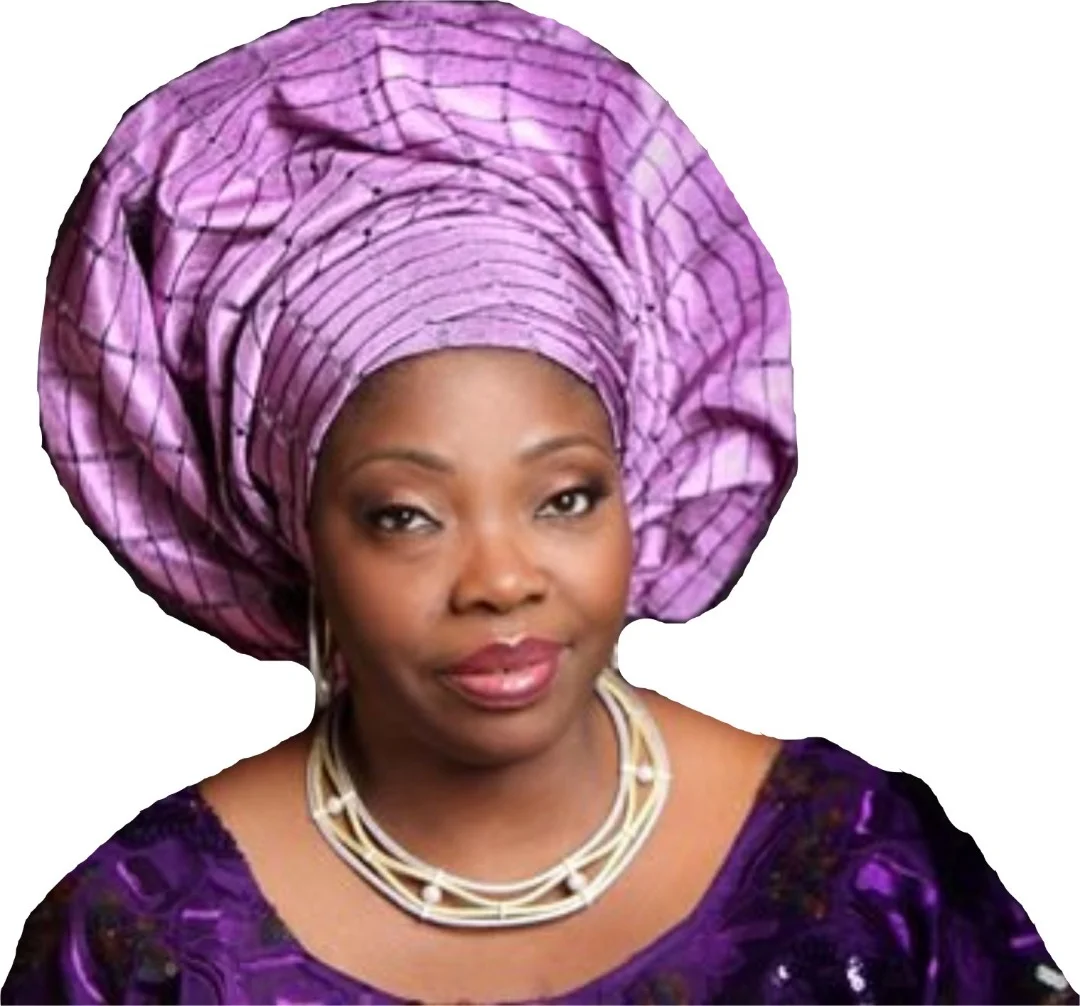
· Age: 64 years
· Company: Sweet Sensation Confectionery Limited
· Website: sweetsensation.com.ng
· Industry: Quick Service Restaurant (QSR)
· Years in Business: 32 (Founded 1994)
Some entrepreneurs build businesses. Kehinde Kamson built an institution .
In 1994, she launched Sweet Sensation from a backyard shed—literally the gateman’s house in Ilupeju, Lagos—with just two used air conditioners and refurbished scrap equipment. She had given up a lucrative accounting career to pursue this vision, watching her mother’s entrepreneurial spirit and deciding to forge her own path .
The daughter of educators—her father was a principal of CMS Grammar School, Nigeria’s oldest secondary school, and her mother was a school proprietress—Kamson grew up as a tomboy playing with eight male cousins. That early exposure to male-dominated spaces perhaps prepared her for building a business in Nigeria’s competitive QSR industry .
Three decades later, Sweet Sensation operates over 25 outlets across Nigeria, employs more than 2,000 people, and serves over 60 menu items daily. Her approach has been to combine local and international menus while constantly creating new recipes—from traditional jollof rice and amala to innovative offerings like Sukiyaki and Genève Peppersoup .
Her achievement is more than commercial. Sweet Sensation proved that indigenous food brands could scale into national chains without losing their soul—that traditional Nigerian cuisine deserved the same infrastructure as burgers and fries .
Why She’s a Role Model for IWD 2026:
Kehinde Kamson is the elder stateswoman of Nigerian food entrepreneurship. Her thirty-year journey offers a masterclass in longevity: how to survive economic cycles, how to maintain quality while growing, how to build teams that last. She started in a tiny guard house and built an empire—proving that with vision and persistence, Nigerian women can compete in any industry . For every young woman opening a restaurant today, Kehinde lit the path three decades ago.

3. Oluyemisi Iranloye
(Founder, Psaltry International)
· Age: 50+ years
· Company: Psaltry International
· Website: psaltryinternational.com
· Industry: Agribusiness / Manufacturing
· Years in Business: 15+
In the town of Ado-Awaye in Oyo State, Oluyemisi Iranloye’s processing plant is transforming one of Nigeria’s most common crops into high-value industrial products .
What began as a small agricultural project has grown into one of Nigeria’s most recognized cassava processing companies. Psaltry International produces cassava starch, flour, and glucose used by food and pharmaceutical manufacturers—replacing imports with locally processed ingredients .
The scale of her impact is staggering: Psaltry directly supports over 100,000 farming families within a 200-kilometre radius of its plant. By creating a reliable market for farmers’ produce and providing consistent demand, fair prices, and technical support, she has helped transform cassava farming from subsistence activity into commercial enterprise .
It is true that Nigeria imports many industrial food inputs, but businesses like Iranloye’s are changing that equation. She is turning cassava into a global industry, one farmer at a time .
Why She’s a Role Model for IWD 2026:
Oluyemisi Iranloye demonstrates that agribusiness is not small business. Her industrial-scale operation shows how processing locally grown crops can create thousands of livelihoods while reducing import dependence. For women in agriculture, she proves that farming—processed thoughtfully—can be big business with global reach.

4. Affiong Williams
(Founder, ReelFruit)
· Age: 40 years
· Company: ReelFruit
· Website: reelfruit.com
· Industry: Agribusiness / FMCG
· Years in Business: 14 (Founded 2012)
By the late 2010s, Affiong Williams was ready to pull the plug on her Nigerian dried fruit company. It wasn’t because the business was failing—it had been growing year after year. But she was losing enthusiasm as she struggled to raise the capital needed to build a large-scale factory, the kind of facility she had envisioned from the beginning .
Investors she pitched to often doubted there was sufficient demand. What they didn’t grasp is that in her line of business, demand follows supply. Large international buyers would only place orders once they were sure the company could supply in big enough quantities .
“Every end-of-year strategy plan was hinged on us getting this money to run our factory. And year after year it wouldn’t happen,” Williams recalls. “I was like, okay, this is not because I’m not good at my job. It’s just because I’m in a tough market and I was ready to walk away.” She gave herself one final year .
Not long after, an investment firm she had been in contact with for a long time returned with good news. In 2021, ReelFruit closed a $3 million investment. Three years later, the company inaugurated a large factory in Abeokuta, realizing a goal Williams had pursued for more than a decade .
Today, ReelFruit products are sold in hundreds of retail outlets across Nigeria and exported internationally. The company works closely with farmers to improve crop quality and reduce post-harvest losses, employing field agents who work directly with growers to ensure fruit meets export standards .
Why She’s a Role Model for IWD 2026:
Affiong Williams represents the “patient builder” archetype in Nigerian entrepreneurship. While others chased quick exits, she spent fourteen years perfecting operations, building distribution, and creating a brand that Nigerians trust. Her factory stands as “a positive symbol in the business landscape of Nigeria for generations to come” . For women facing rejection after rejection, her story proves that persistence—200 pitch decks worth of it—eventually pays off.
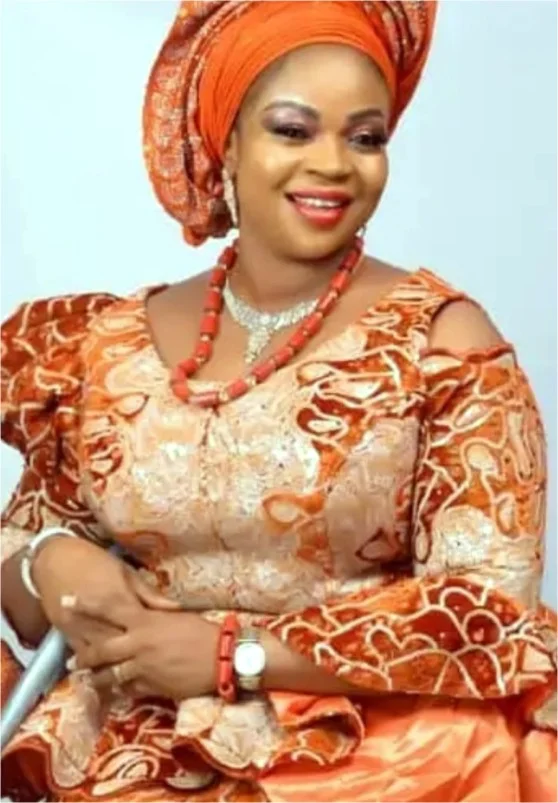
5. Amoke Odukoya
(Founder, Amoke Oge)
· Age: 40+ years
· Company: Amoke Oge
· Website: AmokeOge Instagram
· Industry: Food & Beverage
· Years in Business: 10
They call her the “Amala Queen”—and the numbers explain why. Amoke Odukoya started her restaurant with less than N200,000. In just three years, her brand completed over 500,000 deliveries on Chowdeck, generating approximately N2.3 billion in sales .
Her achievement is remarkable not just for its scale but for what it proves: that traditional Nigerian cuisine, properly executed, can dominate modern delivery platforms. Amoke Oge didn’t adapt to delivery culture; delivery culture adapted to amala, ewedu, and gbegiri .
Her restaurants serve classic Nigerian meals to thousands of customers daily. The growth of Amoke Oge demonstrates how traditional “buka-style” food businesses can evolve into large urban food enterprises while still keeping local dishes at the centre .
Why She’s a Role Model for IWD 2026:
Amoke Odukoya is proof that starting small need not mean staying small. Her N200,000 beginning—less than many people spend on a single smartphone—grew into a billion-naira business through relentless quality and operational excellence. For women wondering whether their modest businesses can scale, Amoke’s journey is the ultimate encouragement: the path from local buka to delivery platform dominance is open to anyone who masters the fundamentals.
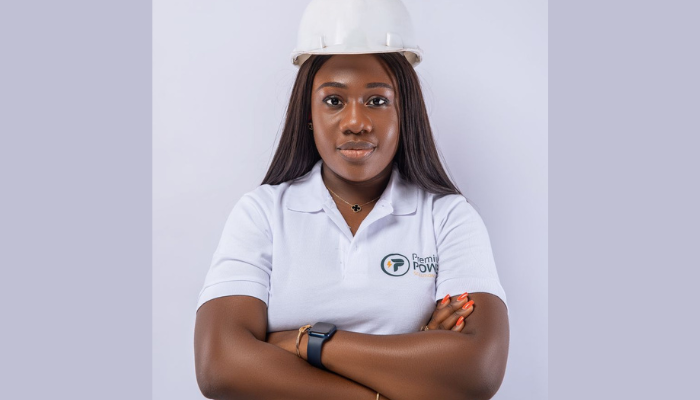 6. Ejiroghene Udu
(Founder/CEO, Premium Power Solutions)
· Age: 36 years
· Company: Premium Power Solutions (PPS)
· Website: PremiumPower.org
· Industry: Energy / Power Solutions
· Years in Business: 10
They call her “The Generator Girl.” But Ejiroghene Udu’s story is not really about generators—it is about what happens when a woman refuses to let the absence of money become the absence of vision .
In early 2016, Ejiro stumbled upon a job vacancy on her BlackBerry status. A generator rental company needed a sales officer. It made no sense on paper: she held a degree in Linguistics and Communications Studies from the University of Port-Harcourt, with no technical background in power systems. Yet something drew her in .
She took the job and immersed herself completely. Night after night, she stayed at project sites with technicians during troubleshooting and connections, learning the guts of generators while her colleagues slept. She developed technical expertise the old-fashioned way—by getting her hands dirty. Soon, clients and colleagues began noticing. “The Generator Girl,” they called her .
When the calling came to start her own business in 2016, Ejiro faced the classic entrepreneur’s dilemma: zero monetary capital. But she possessed something equally valuable: social capital. She tapped into her network of relationships, collected generators from colleagues in the industry on credit, performed quality control, pasted her branded stickers, and delivered to customers. Word-of-mouth did the rest .
Today, Premium Power Solutions has deployed over 90MW of power across Nigeria, serving thousands of events with less than five percent downtime. The company has expanded beyond rentals into maintenance, repairs, generator sales, and renewable energy solutions, even extending operations to São Tomé and Principe .
In November 2025, Ejiro was named Entrepreneur of the Year 2025 (Female Entrepreneur) at the prestigious Global Entrepreneurs Awards in Accra, Ghana—recognition of her trailblazing leadership in Nigeria’s temporary power sector .
But perhaps her most profound impact lies in what she gives back. Through The Technician Academy, she provides free 12-month training in electrical and mechanical technology, complete with protective gear and professional toolkits. The first class included female trainees—a deliberate step toward improving gender diversity in a male-dominated industry .
Why She’s a Role Model for IWD 2026:
Ejiroghene Udu’s story dismantles every excuse. No capital? Use social capital. No technical background? Learn alongside the technicians. No women in the room? Become the room. Her Global Entrepreneur award recognizes not just business success but her systematic approach to creating pathways for others. In an economy desperate for technical skills and reliable power, Ejiro is building both—one trained technician, one reliably powered event at a time .
 7. Seun Alley
(CEO, Fez Delivery)
· Age: 30+ years
· Company: Fez Delivery
· Website: fezdelivery.com
· Industry: Logistics / Technology
· Years in Business: 8 (Founded 2018)
Before Seun Alley co-founded Fez Delivery in 2018, she spent twelve years in banking—eight at First Bank and four at Fidelity—followed by executive roles as Chief Operating Officer at Bloc and OPay. She understood financial systems, operational efficiency, and corporate governance. What she also understood was that Nigeria’s logistics sector was broken .
Trust was the missing ingredient. Individuals and businesses needed reliable last-mile delivery but couldn’t find partners who would treat their packages with care. Seun set out to build a technology-driven company that would solve precisely that problem .
Today, Fez Delivery serves major clients including Flutterwave, Kuda, Moniepoint, and Sterling Bank. The company has raised funding from Ventures Platform, Google, Techstars, and other leading African VCs. But the journey required constant evolution .
“We moved from hustling to building systems,” Seun explains. “From just getting things done to building proper tech, processes, and teams that could scale sustainably. From chasing growth to growing sustainably—volume without strong unit economics is a trap.”
Fez has embraced innovative models like electric vehicles and Safe Lockers to solve the problem of failed deliveries. “EVs and Safe Lockers weren’t only ‘green’ decisions—they were smart operational bets. Failed deliveries cost time and money. Lockers give us delivery certainty.”
Why She’s a Role Model for IWD 2026:
Seun Alley represents a new generation of Nigerian founders: deeply experienced, operationally disciplined, and emotionally intelligent enough to recognize when the problem isn’t the product but the systems. Her advice to founders—”Start with real problems, not pitch decks. Infrastructure that works in Africa has to be rooted in the day-to-day realities of the people you’re building for” —captures her philosophy. For women navigating the messy middle between startup and scale-up, Seun’s journey offers a powerful lesson: real impact lives at the intersection of operational discipline and bold innovation.
8. Princess Adeyinka Tekenah
(Founder/CEO, Happy Coffee)
· Age: 47 years
· Company: Happy Coffee
· Website: happycoffeeafrica.com
· Industry: FMCG / Agri-business (Coffee Value Chain)
· Years in Business: 11 (Founded 2015)
There is perhaps no better example of value-chain transformation than Princess Adeyinka Tekenah. She discovered that a vast amount of coffee grown by local farmers in Nigeria was going to waste due to lack of offtakers—while 90 percent of coffee consumed in Nigeria was imported .
“I wanted to change that coffee narrative by building coffee-centered solutions that boost local production and consumption for consumers,” Princess shared. “I want to help local farmers access the market.”
With a $5,000 seed grant in 2015 from the Tony Elumelu Foundation, she launched Happy Coffee. The journey has been challenging—”balancing life and business dynamics through the social and cultural nuances in Nigeria that show up daily” —but she has persisted.
Today, Happy Coffee has designed 13 market-fit coffee products, established three coffee experience centers, served over 30,000 cups of coffee, and pioneered a coffee festival with 47 percent growth rate. In 2020, she was elected as Nigeria’s first National President for Women in Coffee and Tea .
Why She’s a Role Model for IWD 2026:
Princess Adeyinka hasn’t just added value to coffee beans; she has added value to an entire agricultural value chain, creating livelihoods for female farmers while proving that Nigerian-grown coffee can compete globally. Her advice to other female entrepreneurs: “Be willing to adapt to change and be innovative. Invest in your team as it takes the right team to build a vision.” For young women dreaming of industries yet to be built, Princess shows that showing up every day, for a decade, is the most revolutionary act of all.
 9. Oluwatosin Olaseinde
(Founder, Money Africa)
· Age: 37 years
· Company: Money Africa
· Website: moneyafrica.com
· Industry: Fintech / EdTech
· Years in Business: 7
A chartered accountant specialized in accounting, audit, financial management, and taxation, Oluwatosin Olaseinde identified a critical gap in Nigeria’s financial ecosystem: people wanted to invest but didn’t know how. Traditional financial advice was either too expensive or too inaccessible .
Money Africa was her answer. Through a combination of digital content, community engagement, and accessible investment tools, she has built a community of over 200,000 members learning to grow their money. The platform demystifies investing for the average Nigerian, translating complex financial concepts into practical action .
Why She’s a Role Model for IWD 2026:
In an economy where financial literacy is survival, Oluwatosin Olaseinde is democratizing access to knowledge. Her work addresses a fundamental constraint on wealth creation: the information asymmetry that keeps ordinary people from participating in capital markets. For women seeking financial independence, Money Africa provides both the map and the compass.
 10. Ada Osakwe
(Founder, Nuli)
· Age: 44 years
· Company: Nuli
· Website: nuli.ng
· Industry: Food Service
· Years in Business: 10 (Founded 2016)
Ada Osakwe took an unusual path to food entrepreneurship. A former private equity investor, she applied investment discipline to the challenge of making healthy African food convenient. The result is Nuli—a healthy fast-casual restaurant chain that focuses on African ingredients and nutritious meals .
Founded in 2016, Nuli aims to make healthy African food convenient and accessible while promoting locally sourced ingredients. The brand’s menu includes dishes built around traditional staples like beans, grains, and vegetables, presented in modern formats such as bowls and wraps .
Beyond the restaurant business, Osakwe’s model supports farmer cooperatives, many run by women, strengthening the connection between agriculture and the urban food market. Her expansion plans include building an international African food brand, showing how Nigerian cuisine could scale globally .
Why She’s a Role Model for IWD 2026:
Ada Osakwe bridges two worlds: high finance and grassroots food production. Her private equity background informs everything about Nuli’s operations—from unit economics to supply chain optimization to growth strategy. For women with corporate backgrounds considering entrepreneurship, she demonstrates that analytical skills transfer perfectly to building businesses that feed people.
 11. Ijeoma Ndukwe-Egwuronu
(Founder, Bubez Foods)
· Age: 43 years
· Company: Bubez Foods
· Website: bubezfoods.com
· Industry: Food Processing
· Years in Business: 11
Ijeoma Ndukwe-Egwuronu is the woman who industrialised pap. For decades, pap (akamu/ogi) was mostly produced in homes or local markets. That changed when she founded Bubez Foods, a business that processes packaged pap products from corn and mixed grains .
Her company produces several variants of pap paste designed for convenience and longer shelf life, helping modernize a traditional staple. The innovation may seem small, but it shows a bigger shift: Nigeria’s traditional foods are slowly moving into organized food manufacturing .
Why She’s a Role Model for IWD 2026:
Ijeoma Ndukwe-Egwuronu shows that “traditional” and “industrial” need not be opposites. By systematizing pap production—maintaining its nutritional integrity while ensuring consistent quality and safety—she has created a template for modernizing countless other indigenous foods. For women in food processing, her model is both inspiration and instruction.
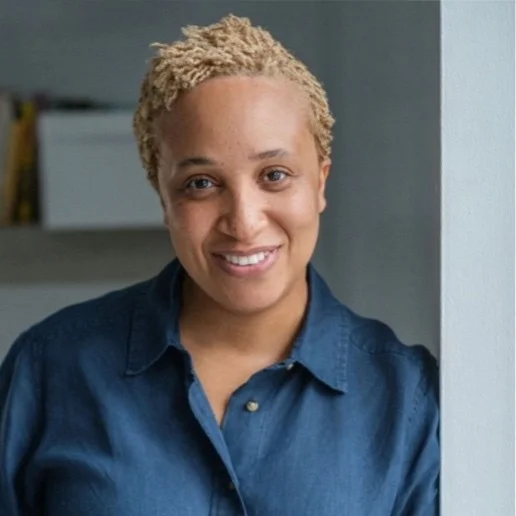 12. Anu Adasolum
(Co-founder, Sabi)
· Age: 40+ years
· Company: Sabi
· Website: getsabi.com
· Industry: Commerce / Logistics
· Years in Business: 5
Anu Adasolum co-founded Sabi to serve the informal merchants who power Nigeria’s economy. Her platform provides tools that enable businesses in informal markets to access logistics, commerce solutions, and financial services previously reserved for formal enterprises .
Sabi has expanded into commodity exports like lithium, demonstrating that the same infrastructure serving market women can also serve industrial traders. This versatility—serving both micro-entrepreneurs and multinational buyers—is Sabi’s genius .
Why She’s a Role Model for IWD 2026:
Anu Adasolum understands that the informal economy is not a problem to be solved but a market to be served. By building tools that meet informal merchants where they are—rather than demanding they formalize first—she has created a platform that actually works for its users. For women building businesses in the informal sector, Sabi provides both tools and validation.
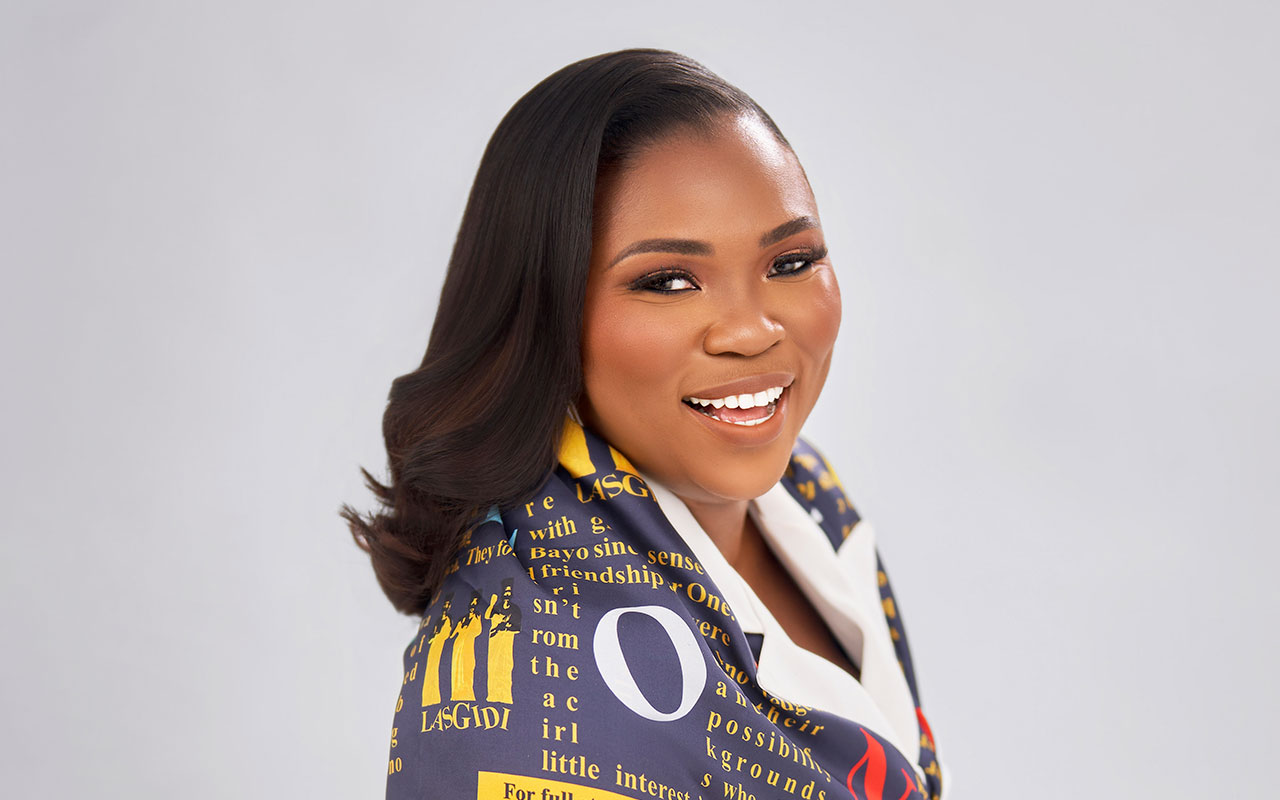
 13. Solape Akinpelu
(Co-founder, HerVest)
· Age: 40+ years
· Company: HerVest
· Website: hervest.africa
· Industry: Fintech
· Years in Business: 5
Solape Akinpelu co-founded HerVest to solve a specific problem: women, particularly women in agriculture and informal business, were systematically excluded from formal financial services. Banks saw them as too risky. Micro-lenders charged predatory rates. Savings remained under mattresses .
HerVest offers targeted savings, investment, and credit services designed specifically for women-led businesses and smallholder farmers. By understanding the unique cash flow patterns and constraints of these segments, the platform delivers financial tools that actually work for their lives .
Why She’s a Role Model for IWD 2026:
Solape Akinpelu understands that inclusion isn’t just about opening doors—it’s about redesigning rooms. HerVest’s gender-lens approach to investing recognizes that women’s financial needs differ from men’s, and that serving them well requires product innovation, not just marketing tweaks. For the thousands of women now accessing credit through HerVest, Solape isn’t just running a fintech; she’s building economic agency.
 14. Vera Obielumani
(CEO, Revavo Farms / Club X / Bask Lounge / Luzo Beauty Salon)
· Age: 35 years
· Company: Revavo Farms, Club X, Bask Lounge, Luzo Beauty Salon
· Website: goldplatesfeasthouse.com
· Industry: Agribusiness / Hospitality / Beauty
· Years in Business: 17 years
Vera Obielumani represents the multi-sector entrepreneurial spirit that drives Nigeria’s economy far beyond the Lagos media spotlight. With ventures spanning agriculture (Revavo Farms), hospitality and entertainment (Club X, Bask Lounge, Gold Plates), and beauty (Luzo Beauty Salon), she has built a diversified portfolio that creates employment across multiple communities.
Her agribusiness operations through Revavo Farms contribute to food security and local value addition, while her hospitality ventures provide entertainment infrastructure and jobs for young Nigerians. Luzo Beauty Salon taps into the thriving beauty and wellness sector, empowering women through employment and beauty services.
Why She’s a Role Model for IWD 2026:
Vera Obielumani embodies the multi-sector entrepreneur who sees opportunities across industries and builds businesses that complement and reinforce each other. Her presence on this list honors women building across Nigeria’s heartland—creating jobs, serving communities, and proving that entrepreneurship is not confined to boardrooms. For women seeking to diversify their business interests, Vera’s portfolio approach offers an inspiring model.
 15. Kehinde Omojuyigbe-Efevoghor
(Founder, The Fufu Factory & Tapiole™)

· Age: 50+ years
· Company: The Fufu Factory
· Website: thefufufactoryworld.com
· Industry: Food Processing / Agribusiness
· Years in Business: 3 (Founded 2023)
Kehinde Omojuyigbe-Efevoghor is on a mission to redefine the future of African cuisine—and she’s starting with fufu. It seems so simple, this staple that millions of Nigerians eat daily. Yet fufu production has remained stubbornly artisanal, often unhygienic, and entirely unstandardized .
In 2023, she founded The Fufu Factory to revolutionize the production of this West African staple. By automating and sanitizing the process, she tackles the hygiene concerns that have long plagued traditional production methods. Her work elevates a locally sourced crop—cassava—into a product with genuine export potential.
Why She’s a Role Model for IWD 2026:
In a moment when Nigeria desperately needs to diversify its non-oil exports, Kehinde Omojuyigbe-Efevoghor is showing the way forward. She understands that global recognition of African cuisine requires more than good recipes—it requires industrial-grade processing, rigorous quality control, and consistent supply. For young women wondering whether traditional food businesses can scale, The Fufu Factory provides a compelling answer: absolutely, if you’re willing to reimagine everything.
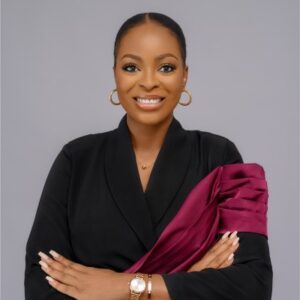 16. Chidinma Uzoma
(Founder, Zayith Food Co.)
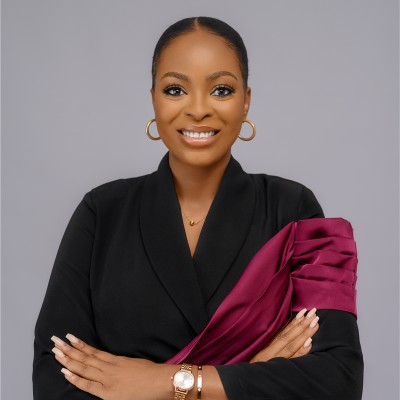
· Age: 35 years
· Company: Zayith Food Co.
· Website: zayithyogurt.com
· Industry: Food Processing / Dairy
· Years in Business: 8 (Founded 2018)
Chidinma Uzoma is a lawyer by training. But her true calling, it turns out, was yoghurt. As founder of Zayith Food Co., she produces high-quality yoghurt and Greek yoghurt products designed for Nigeria’s growing community of health-conscious consumers.
The business caught the attention of the Orange Corners Innovation Fund, a Dutch program empowering young entrepreneurs in Nigeria. Since her participation, Chidinma’s revenue has increased by over 1,500 percent, and she has secured over $100,000 in convertible debt financing from Netherlands-based Triple I, a firm specifically focused on empowering women-led SMEs.
Why She’s a Role Model for IWD 2026:
Chidinma Uzoma embodies the lawyer-turned-entrepreneur archetype, proving that professional training need not constrain professional destiny. Her ability to attract European investment in a challenging economic climate demonstrates the power of fundamentals: clear unit economics, strong product-market fit, and unwavering quality standards. For women contemplating career pivots, Chidinma shows that the best preparation for entrepreneurship might be whatever sharpens your mind—even if it seems unrelated to your eventual industry.
 17. Joyce Awosika
(CEO, ORÍKÌ Group)
· Age: 40 years
· Company: ORÍKÌ Group
· Website: oriking.com
· Industry: Wellness / Beauty / Manufacturing
· Years in Business: 11 (Founded 2015)
Joyce Awosika calls ORÍKÌ Group Africa’s first “farm-to-skin” wellness ecosystem. An economist by training, she founded ORÍKÌ in 2015 with a radical proposition: that African botanicals could power a global wellness brand. She built vertically—from farms cultivating indigenous plants to manufacturing facilities processing them, from spas delivering treatments to an institute training the next generation of wellness professionals.
Today, ORÍKÌ spans 15 spas across the continent, a full-scale manufacturing arm, and the ORÍKÌ Training Institute, which empowers women in the wellness sector. Over 90 percent of her workforce is female—a deliberate choice reflecting her belief that women should control their economic destinies.
Why She’s a Role Model for IWD 2026:
Joyce Awosika is building the infrastructure for an entirely new industry. Her insistence on controlling the entire value chain—from soil to skin—positions ORÍKÌ as a template for “Made in Africa” manufacturing that can compete globally. For women seeking to build businesses that outlast them, Joyce demonstrates that vertical integration, done thoughtfully, creates durable competitive advantage.
 18. Aisha Raheem-Bolarinwa
(Founder, Farmz2U)
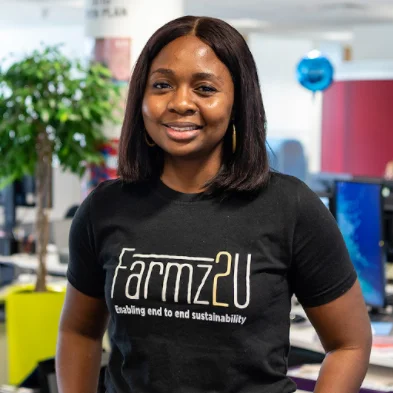
· Age: 30+ years
· Company: Farmz2U
· Website: farmz2u.com
· Industry: Agritech
· Years in Business: 7
A Queen Mary University alumnus, Aisha Raheem-Bolarinwa founded Farmz2U to empower farmers with data-centric tools for crop selection and planning. Her platform helps farmers make informed decisions about what to plant, when to plant, and where to sell—reducing waste and increasing yields.
Why She’s a Role Model for IWD 2026:
Aisha Raheem-Bolarinwa represents the data-driven future of African agriculture. By putting information in farmers’ hands, she is transforming farming from intuition-based guessing into evidence-based enterprise. For women in agritech, she demonstrates that the most valuable farm input might be information.
 19. Baliqees Salaudeen-Ibrahim
(Founder, Green Republic Farms)

· Age: 34 years
· Company: Green Republic Farms
· Website: greenrepublicfarms.com
· Industry: Climate-Smart Agriculture
· Years in Business: 6
Named the Young Female Agripreneur (Rising Star) for West Africa in 2025, Baliqees Salaudeen-Ibrahim runs a climate-smart farm that recycles agro-waste into renewable energy. Her operation demonstrates that agriculture can be both productive and sustainable—that feeding people need not destroy the planet.
Why She’s a Role Model for IWD 2026:
Baliqees Salaudeen-Ibrahim represents the green future of Nigerian agriculture. At 33, she has already shown that climate-smart practices are not just environmentally responsible but economically viable. For young women entering agriculture, she proves that sustainability and profitability can—must—coexist.
 20. Omolara Sanni
(COO, Middleman)
· Age: 30+ years
· Company: Middleman
· Website: middleman.africa
· Industry: Trade-Tech
· Years in Business: 4
As COO of Middleman, Omolara Sanni simplifies cross-border payments between African businesses and Chinese suppliers. The problem she solves is massive: African traders have long struggled with opaque pricing, currency complications, and trust issues when sourcing from China .
Middleman’s platform brings transparency and efficiency to these transactions, positioning itself as a continent-wide solution for international trade. At Middleman, Sanni leads operations, growth, and customer success by bringing a deep understanding of African business challenges and user behaviour .
Why She’s a Role Model for IWD 2026:
Omolara Sanni operates at the intersection of technology and international commerce, solving problems that transcend national borders. Her work enables African businesses—including many owned by women—to access global supply chains more easily. For women building in trade-tech, she demonstrates that the biggest opportunities might lie in the spaces between countries.
 21. Oluwayimika Angel Adelaja
(Founder, Fresh Direct)

· Age: 43 years
· Company: Fresh Direct
· Website: freshdirectnigeria.com
· Industry: Agribusiness / Hydroponics
· Years in Business: 12
Born August 17, 1983, Oluwayimika Angel Adelaja uses hydroponics and container farming to produce healthy vegetables in small spaces. Her approach reduces reliance on traditional land-intensive farming, ensuring year-round production regardless of season or rainfall.
Why She’s a Role Model for IWD 2026:
Angel Adelaja represents the technological frontier of Nigerian agriculture. By growing vegetables without soil, she demonstrates that urban spaces can be productive farms and that climate volatility need not mean food volatility. For women seeking agricultural careers, she offers proof that farming can be high-tech, clean, and endlessly scalable.
 22. Nyifamu Manzo
(Founder, Farmatrix)
· Age: 30+ years
· Company: Farmatrix
· Website: farmatrix.com.ng
· Industry: Agritech
· Years in Business: 7
Nyifamu Manzo is leveraging technology to empower smallholder farmers with Climate Smart Agricultural Practices. Her platform bridges the gap between producers and markets through strategic industry partnerships, ensuring that farmers who adopt better practices also find better buyers .
Why She’s a Role Model for IWD 2026:
Nyifamu Manzo understands that technology adoption requires market incentives. By connecting climate-smart farmers with premium buyers, she creates economic reasons for sustainable practices. For women in agritech, she demonstrates that the best interventions align what’s good for farmers with what’s good for the planet.
 23. Khuraira Musa
(Founder, Khuraira Cosmetics)
· Age: 40+ years
· Company: Khuraira Cosmetics
· Website: khuraira.com
· Industry: Beauty / Digital Commerce
· Years in Business: 6
Khuraira Musa founded a Made-in-America beauty brand with Nigerian roots, creating products that celebrate African beauty while meeting global quality standards. But her impact extends beyond cosmetics.
Through her Abuja Affiliate Program, she provides pathways for young women to earn income without startup capital. By leveraging digital commerce and affiliate models, she is democratizing access to entrepreneurship—proving that you don’t need a warehouse to start selling.
Why She’s a Role Model for IWD 2026:
Khuraira Musa represents the diaspora entrepreneur building bridges, not walls. Her dual-market approach—creating products in America for customers globally, while empowering Nigerian youth through digital commerce—offers a model for transnational business in the 21st century. For young women seeking entrepreneurial paths without capital, her affiliate program provides a ladder.
 24. Olapeju Nwanganga
(Founder, Ploutos Page (ÓWÀ by Pepcode)

· Age: 40+ years
· Company: Ploutos Page / ÓWÀ
· Website: ploutospage.com
· Industry: Fintech / Inclusive Tech
· Years in Business: 6
A Standard Chartered Women in Tech Accelerator alumna, Olapeju Nwanganga created ÓWÀ to solve a problem that banks ignore: semi-literate market women cannot easily participate in the formal financial system.
ÓWÀ uses voice notes and SMS to digitize transactions, turning informal sales data into verifiable financial histories. Market women can now build credit profiles based on their actual business activity, unlocking loans that were previously inaccessible.
Why She’s a Role Model for IWD 2026:
Olapeju Nwanganga understands that technology’s purpose is inclusion, not exclusion. By designing for users who cannot read or type, she has opened financial doors for thousands of women who built businesses with their hands but never had the paperwork to prove it. For women seeking to build truly inclusive businesses, ÓWÀ offers a powerful template.
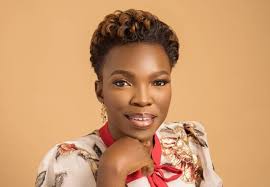 25. Olapeju Umah
(Founder, MyFoodAngels)
· Age: 40+ years
· Company: MyFoodAngels
· Website: myfoodangels.org
· Industry: Food Security / Logistics
· Years in Business: 7
Food insecurity in Nigeria sometimes has more to do with access than supply. That problem inspired the creation of MyFoodAngels, founded by Olapeju Umah .
The initiative helps households access food supplies while also supporting vulnerable communities. During the COVID-19 lockdown, the platform helped distribute food to more than 3,000 families facing hardship, while building a community network of thousands committed to improving food access .
By combining technology, logistics, and social impact, Umah’s work shows how food distribution itself can become an innovative business. She is in the business of connecting markets to families .
Why She’s a Role Model for IWD 2026:
Olapeju Umah demonstrates that social impact and business viability can coexist. Her platform proves that solving food access problems can be sustainable—that doing good and doing well are not mutually exclusive. For women seeking to build businesses with purpose, MyFoodAngels offers an inspiring model.
 26. Chinwe Udo-Davis
(Founder, ResourcePRO Limited)
· Age: 40+ years
· Company: ResourcePRO Limited
· Website: resourcepro.com.ng
· Industry: Human Resources / Consulting
· Years in Business: 16
Chinwe Udo-Davis is the founder and managing consultant expert at ResourcePRO Limited. She is a specialist in organizational efficiency and a strategic human resource professional with 20 years of working experience in various industries such as Oil and Gas, Construction, Finance, Power, Renewable Energies, Media, and Sporting .
She has a history of providing outstanding people management solutions within a multi-cultural environment, helping other companies build the governance structures needed to thrive in 2026 .
Why She’s a Role Model for IWD 2026:
Chinwe Udo-Davis represents the critical but often overlooked work of building organizational capacity. While product companies grab headlines, her work ensures that Nigerian businesses have the human infrastructure to scale sustainably. For women in professional services, she demonstrates that expertise and experience are businesses in themselves.
IWD 2026: Meet 26 Nigerian Women Entrepreneurs Building the Future (The Industries)
The entrepreneurs featured in this year’s list represent a wide spectrum of Nigeria’s productive economy, with particularly strong representation in sectors critical to national development such as agriculture, food systems, financial services, and technology.
| Industry | Number of Entrepreneurs | Featured Founders |
|---|---|---|
| Agriculture / Agribusiness | 4 | Oluyemisi Iranloye, Baliqees Salaudeen-Ibrahim, Nyifamu Manzo, Oluwayimika Angel Adelaja |
| Food & Beverage / Restaurants | 4 | Kehinde Kamson, Amoke Odukoya, Ada Osakwe, Princess Adeyinka Tekenah |
| Food Processing / Manufacturing | 3 | Ijeoma Ndukwe-Egwuronu, Kehinde Omojuyigbe-Efevoghor, Chidinma Uzoma |
| Fintech / Financial Inclusion | 3 | Oluwatosin Olaseinde, Solape Akinpelu, Olapeju Nwanganga |
| Agritech / Climate-Smart Agriculture | 2 | Aisha Raheem-Bolarinwa, Nyifamu Manzo |
| Technology / Commerce Platforms | 2 | Anu Adasolum, Omolara Sanni |
| Logistics / Mobility | 1 | Seun Alley |
| Energy / Power Infrastructure | 1 | Ejiroghene Udu |
| Consumer Goods / FMCG | 1 | Affiong Williams |
| Beauty / Wellness / Cosmetics | 2 | Joyce Awosika, Khuraira Musa |
| Multi-Sector Entrepreneurship | 1 | Vera Obielumani |
| Social Impact / Food Access | 1 | Olapeju Umah |
| Human Resources / Professional Services | 1 | Chinwe Udo-Davis |
| Conglomerate / Multi-Industry | 1 | Kemi Oladunni Fajana |
Conclusion: The Future Is Female
As we publish this feature on International Women’s Day 2026, Nigeria stands at a crossroads. Our economy demands diversification. Our youth need employment. Our future requires innovation.
The 26 women profiled here offer a roadmap. From Kemi Fajana’s multi-million dollar conglomerate built from 50 bags of cement to Princess Adeyinka rebuilding Nigeria’s coffee value chain; from Ejiroghene Udu training female technicians to fix generators to Amoke Odukoya proving that traditional cuisine can dominate delivery platforms—these women demonstrate that building businesses with fiscal discipline, governance rigor, and genuine value creation is possible, even in challenging times.
They show that women can lead in every sector: in fintech and farming, in manufacturing and logistics, in industries as male-dominated as power generation and as traditionally female as food processing. Kehinde Kamson proved it thirty years ago from a backyard shed; Vera Obielumani proves it today across agribusiness, hospitality, and beauty.
But most importantly, they prove that success need not be solitary. Again and again, these women have built systems that employ other women, mentor other women, and create pathways for the next generation. They understand that the tide that lifts all boats is not charity—it is infrastructure.
So on this International Women’s Day, we celebrate every woman building, against the odds, for herself and for her community. And we commit to returning next March 8, to profile 26 more. Because Nigerian women are not waiting for permission to build. They are building already.
