

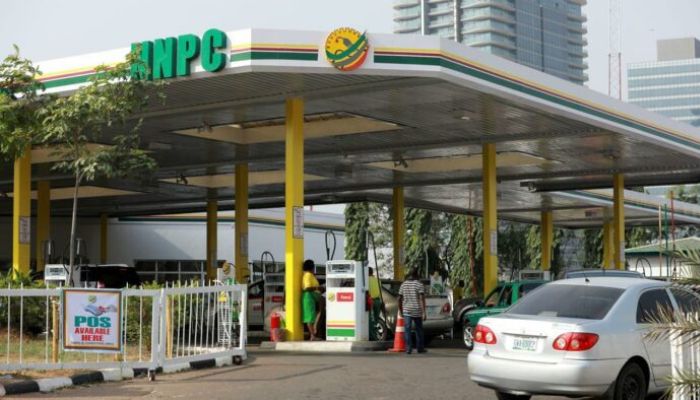
ABUJA — Fuel prices across Nigeria’s capital have surged once again, with major filling stations in Abuja crossing the N1,100 per litre mark this Sunday. This latest spike follows a rapid sequence of adjustments triggered by escalating geopolitical tensions in the Middle East.
Investigations across the city revealed that prominent outlets, including NNPC and Conoil stations along the Airport Road, have revised their rates to between N1,080 and N1,082 per litre, up from the N960 recorded just a week ago.
The “Hormuz Factor”: Why Prices are Climbing
The primary driver behind this volatility is the intensifying conflict involving the U.S., Israel, and Iran, which has led to a functional blockade of the Strait of Hormuz. As a critical chokepoint for 20% of the world’s oil supply, its disruption has sent shockwaves through global markets.
-
Brent Crude Rally: International oil prices have skyrocketed, with Brent crude surging past $110 per barrel this week. Analysts warn that if the conflict sustains, prices could breach the $130 threshold.
-
Production Cuts: Major producers like Kuwait, Iraq, and the UAE have begun scaling back output or declaring force majeure as shipping routes remain frozen and storage capacity tightens.
Dangote Refinery: A Buffer Against a Worse Crisis?
Despite the hike, officials at the Dangote Petroleum Refinery argue that the facility is currently acting as a shock absorber for the Nigerian economy. The refinery recently implemented a “measured” increase of N121 to its ex-depot price—now at N995 per litre—citing the high cost of Nigerian crude, which currently trades at a premium of $3 to $6 above the Brent benchmark.
In a statement, the refinery noted it has absorbed 20% of the cost escalation to prevent even more drastic price jumps at the pump. Without local production, experts suggest retail prices could have already spiraled toward N1,400 per litre.
Impact on the Nigerian Consumer
The ripple effect of these energy costs is expected to hit the broader economy within days.
-
Logistics & Transport: Higher fuel costs will likely drive up the price of commuting and interstate haulage.
-
Inflationary Pressure: As most Nigerian businesses depend on petrol for power and transport, a secondary spike in the cost of essential goods and food is anticipated.
-
Import Dependency: While Nigeria is a major crude producer, the delay in full domestic self-sufficiency means the country remains vulnerable to the “replacement cost” of refined products on the global market.
As the Middle East crisis enters a critical phase, Nigerians are bracing for further “quiet” adjustments at the pumps, with the government and private sector both navigating a high-stakes energy landscape.
