

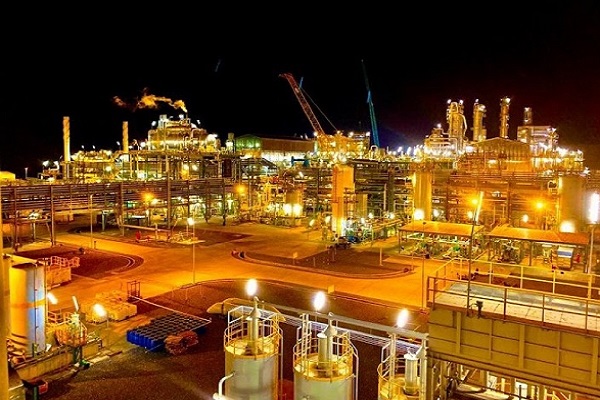
LAGOS — In a landmark development for Nigeria’s energy security, the Dangote Petroleum Refinery has finalized an offtake framework to supply up to 65 million litres of petrol daily to the domestic market. This volume not only covers Nigeria’s estimated daily consumption of 50–60 million litres but also provides a surplus of 15–20 million litres for export to West and Central African markets.
The arrangement effectively transitions Nigeria from a decades-long reliance on expensive fuel imports to a self-sufficient, net-exporter of refined petroleum products.
The Distribution Blueprint: A Consortium of Giant
To ensure the 1.8 to 2 billion litres produced monthly reach every corner of the country, the refinery has partnered with a consortium of major and independent marketers. This structured model is designed to eliminate the logistical bottlenecks that have historically led to artificial scarcity.
The Logistics Consortium includes:
-
Major Players: NNPCL Retail, TotalEnergies, MRS Oil, and Ardova Plc.
-
Independent Leaders: Rainoil, Bovas & Company, AA Rano, and AYM Shafa.
-
Strategic Partners: 11 Plc, Conoil, and Masters Energy.
Market Stability & Price Volatility
The Nigerian Midstream and Downstream Petroleum Regulatory Authority (NMDPRA) has thrown its full weight behind this framework. The goal is simple: Transparency. By locking in a steady supply of 65 million litres daily, the government aims to:
-
Curb Hoarding: A consistent supply makes speculative “black market” stockpiling unprofitable.
-
Moderate Prices: Removing the currency volatility associated with importing fuel in USD should lead to more predictable pump prices.
-
Efficiency: Logistics will be managed by the consortium to reduce the “fragmented” nature of the downstream market
A Transformative National Asset
While originally designed for a 650,000 barrels per day (bpd) capacity, NNPC GCEO Bayo Bashir Ojulari recently noted that the refinery is demonstrating even higher operating parameters. This technical efficiency is a critical win for President Bola Tinubu’s broader downstream reforms and the full deregulation of the sector.
| Metric | Projection |
| Domestic Supply | 65 Million Litres / Day |
| Export Surplus | 15 – 20 Million Litres / Day |
| Monthly Output | 1.8 – 2.0 Billion Litres |
| National Demand | 50 – 60 Million Litres / Day |
Impact on the 2026 Economic Outlook
This entry into our economic dossier represents the “closing of the loop” for Nigeria’s industrialization. By refining its own crude, Nigeria keeps the value-added profits within its borders, strengthens the Naira (as the need for petrol-import USD drops), and creates thousands of specialized jobs.
“This framework is intended to improve logistics efficiency, reduce product hoarding, and support price stability,” a refinery spokesperson stated.
