

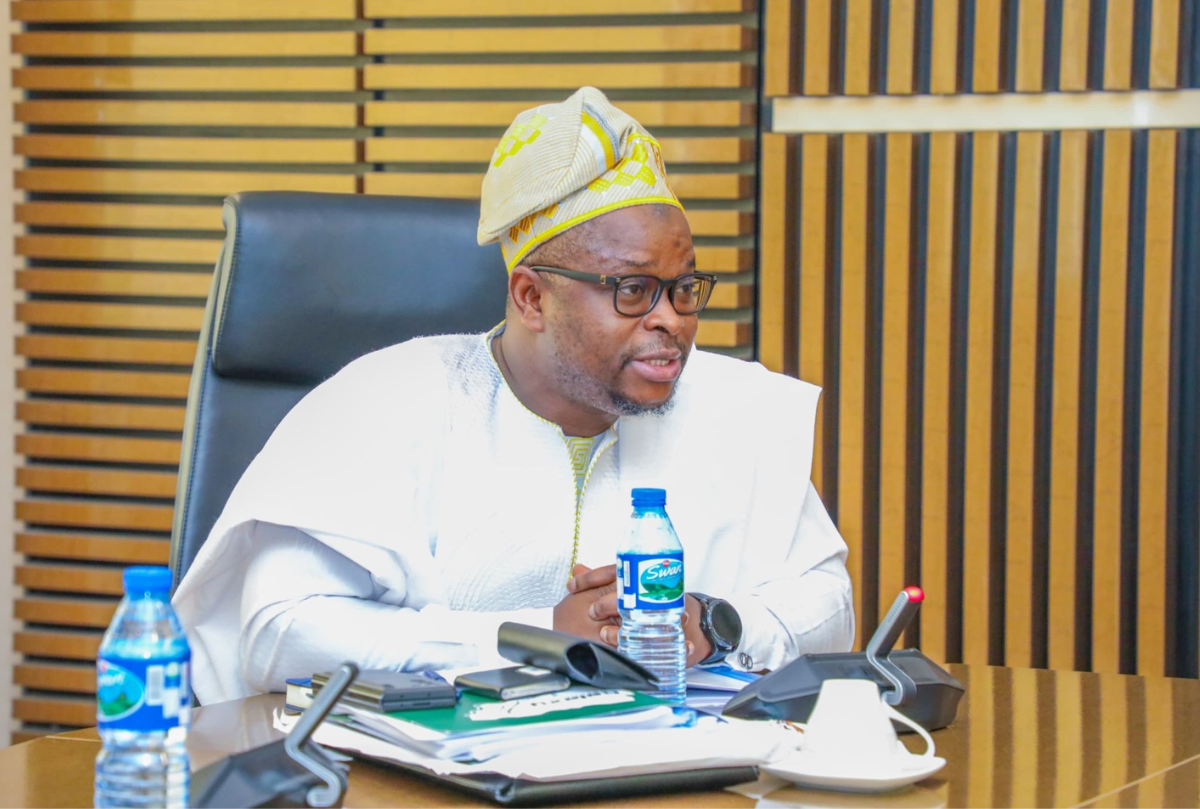
Nigeria is accelerating its drive to digitally transform both its public service operations and its educational curriculum, embracing a two-pronged strategy centered on Artificial Intelligence (AI) and blockchain technology. This commitment was highlighted by Dr. Arabi during the first Artificial Intelligence and Blockchain Conference and Training (AIBIC–Abuja 2025).
The digital push is aimed at creating a public service that is not only efficient but also transparent, accountable, and better equipped to fight corruption.
The Government Digitization Mandate
The initiative to fully digitize the Nigerian public service began under the National Strategy on Public Service Reforms in 2004. Significant milestones have been reached, moving Nigeria toward a paperless government:
-
Public Financial Management: Now handled entirely through paperless processes across all Ministries, Departments, and Agencies (MDAs).
-
Ministry Digitization: Over 10 ministries are already fully paperless, with the goal that all ministries will have their activities fully digitized by the end of December 2025.
-
Strategic Blueprint: Dr. Arabi confirmed that Nigeria now operates under an e-government master plan to deepen technology use, backed by a 2002-2003 Memorandum of Understanding between the Bureau of Public Service Reforms (BPSR) and the Nigerian Communications Commission (NCC).
Preparing the Next Generation
The government is simultaneously focusing on preparing the nation’s youth to operate and manage this digitized future.
Dr. Arabi emphasized that policies and programs are set up to ensure school children can “effectively key into technology” safely. This effort includes:
-
Curriculum Integration: A new curriculum is supporting the adoption of AI, ensuring students are safe and responsible “within the space of technology utilization.”
-
The AI Club Initiative: An AI Club for Nigerian schools has been launched to empower students as ethical digital citizens. Pilot programs have already been approved by both the FCT Universal Basic Education Board (UBEB) and the FCT Secondary Education Board (FCT-SEB).
Lady Florence Wenegieme, Director at FCT UBEB, noted that forming AI Clubs allows students to engage in extracurricular digital learning and networking. The conference celebrated the unveiling of the first beneficiaries of this project, featuring 30 students from Junior Secondary Schools Wuse Zone 3 and Government Day Secondary Schools Wuse 2, Abuja.
Dr. Ahmed Badanga, CEO of Havel Corporate Concept Limited, the conference organizer, highlighted the synergy between the two key technologies, noting that combining AI and blockchain “creates intelligent, secure, and transparent systems across industries.”
