

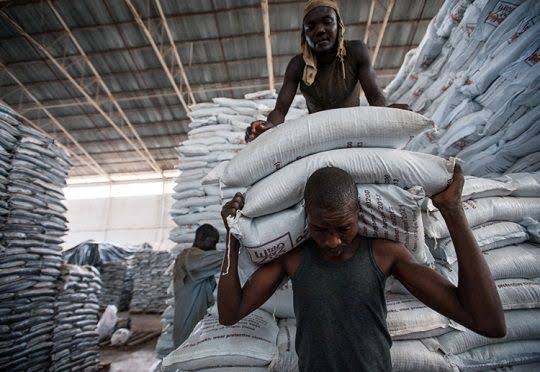
The Nigerian Midstream and Downstream Petroleum Regulatory Authority (NMDPRA) has announced a strategic shift in the nation’s energy and agricultural landscape. Following recent facility inspections at major industrial sites like Indorama Eleme Fertiliser and Chemicals, the Authority has signaled that Nigeria is on the verge of ending fertilizer imports entirely.
1. The 2028 Export Timeline
According to NMDPRA Chief Executive Saidu Mohammed, Nigeria is positioning itself to become a primary hub for value-added oil and gas products.
- Ending Imports: The continued importation of urea and fertilizers is no longer considered justifiable given the surge in domestic production capacity.
- Urea Export Target: Nigeria is projected to join the league of major urea-exporting nations by 2028.
- The 24-Month Window: Ongoing expansion projects at the Indorama and Dangote Fertilizer plants are expected to hit critical scale within the next two years, meeting 100% of domestic demand and creating a surplus for international markets.
2. The $50 Billion Investment Mandate
The midstream sector—which involves the processing and transportation of oil and gas—is identified as the engine for this transformation. However, achieving “Global Hub” status requires significant capital.
- Investment Gap: Nigeria requires between $30 billion and $50 billion in fresh investment to fully optimize its midstream infrastructure.
- Secondary Derivatives: The goal is to move beyond raw crude and gas exports into high-value secondary products like petrochemicals, methanol, and specialized fertilizers.
3. Key Industrial Drivers
The transition is anchored by massive private-sector expansions in Rivers and Lagos States:
- Indorama Eleme Fertiliser (Rivers State): A critical facility currently ramping up production to support both local farmers and export logistics.
- Dangote Fertiliser Plant (Lagos): Working in tandem with Indorama to ensure the “No-Import” policy is sustainable.
- Infrastructure Synergy: The NMDPRA is prioritizing a three-day inspection cycle of these facilities to ensure regulatory compliance and remove bottlenecks in the value chain.
4. Economic and Social Impact
For a nation where agriculture is a primary employer, the localization of fertilizer production offers several benefits:
- Food Security: Lowering the cost of urea directly supports smallholder farmers, potentially stabilizing food prices.
- Foreign Exchange: Shifting from an importer to an exporter will save billions in foreign exchange and create a new stream of US Dollar revenue for the federation.
- Job Creation: The $50 billion investment target is expected to create thousands of high-tech engineering and logistics roles for Nigerian youth.
5. Conclusion: A Sovereign Energy Future
The NMDPRA’s stance is clear: Nigeria has “no business” importing products it has the natural resources to produce. By focusing on value-added petroleum products, the country is moving away from being a mere supplier of raw materials to becoming an industrial leader in the West African sub-region.
Strategic Hub Milestones:
- Current Status: Domestic production ramping up.
- 2026 Goal: End of all justified fertilizer imports.
- 2028 Goal: Global commencement of Urea exports.
- Total Required Investment: $30bn – $50bn.
