

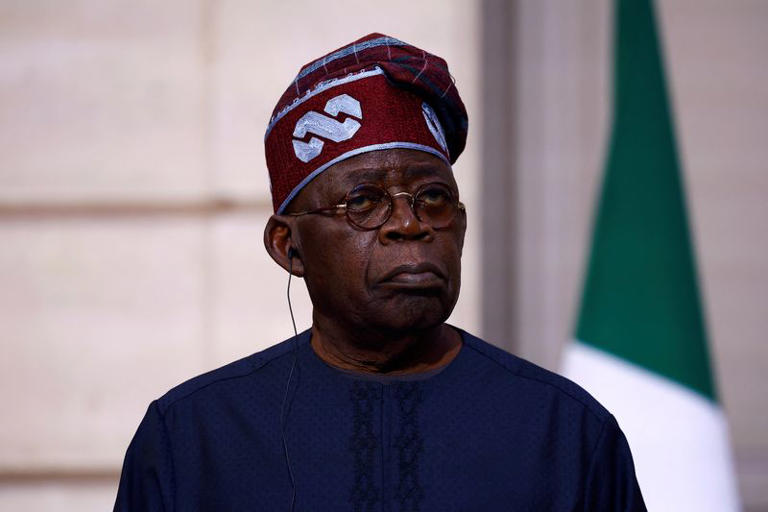
In a major move to restore fiscal discipline and transparency, President Bola Ahmed Tinubu has presented a ₦43.56 trillion ($29.96 billion) “Repeal and Re-enactment” bill to the National Assembly. This legislative maneuver aims to collapse the current fragmented budgeting system into a single, cohesive framework that will run through December 2025.
The move is a direct response to legislative and public criticism regarding the government’s recent practice of rolling over capital budgets, which has seen the 2024 spending cycle extended multiple times, creating a “multiple budget” scenario that muddled planning and accountability.
A “Clean Slate” Strategy
The primary objective of this proposal is to perform a “hard reset” on Nigeria’s fiscal calendar. By merging the remaining 2024 capital expenditures with the 2025 financial plan, the administration hopes to ensure a clean, predictable January-to-December budget cycle starting in 2026.
Budget Breakdown: Where the ₦43.56 Trillion Goes
The President’s letter to the House of Representatives outlined the specific allocations within this unified framework:
The Goal: Accountability and Trust
By ending the practice of running multiple budgets concurrently (specifically the 2024 rollover and the separate ₦54.99 trillion 2025 proposal), the President aims to:
-
Tighten Controls: Improve the Federal Government’s oversight of public finances.
-
Enhance Execution: Streamline the implementation of capital projects that were previously stalled or confused by overlapping funding sources.
-
Restore Trust: Rebuild confidence among citizens and investors by adhering to a standardized, transparent budget calendar.
The bill must now undergo deliberation and approval by the National Assembly to authorize withdrawals from the federal account and kick-start this consolidated fiscal regime.
