

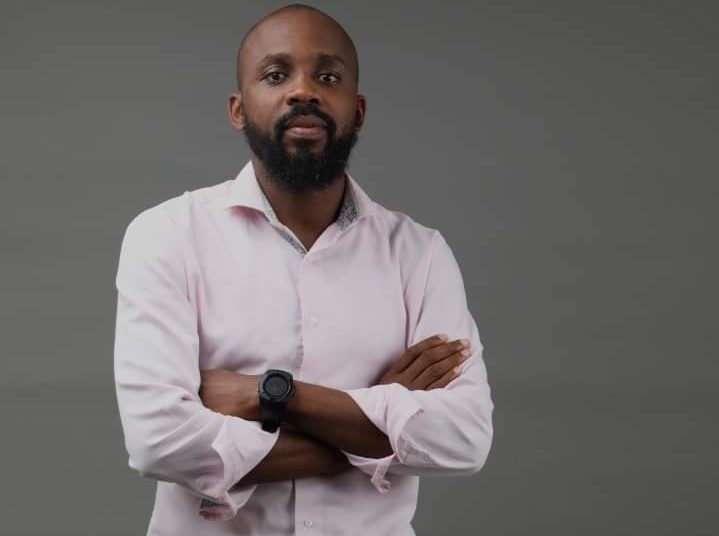
Tech and media entrepreneur Benedict Aguele (Founder of BOAPR and member of the Governing Council, Nigeria Maritime University) has issued a sobering forecast for Nigeria’s technological future. Speaking in Abuja in late December 2025, Aguele warned that without addressing three “physical bottlenecks,” Nigeria risks becoming a mere consumer of foreign AI rather than an African leader in the sector.
Aguele’s central thesis is that AI is an industrial process, not just a digital one, requiring a foundation of physical infrastructure that currently remains fragile.
The Three Physical Bottlenecks
Aguele identified three specific areas where Nigeria must improve by 2026 to avoid falling behind the global curve:
-
Energy Instability for Data Centers: AI models require massive server banks that consume vast amounts of electricity. Currently, Nigeria’s power constraints act as a “ceiling” for growth. Without a dedicated power strategy for local data centers, startups will continue to host their innovations on foreign servers, draining revenue from the Nigerian economy.
-
The “Last Mile” Connectivity Gap: For AI to drive national growth, it must reach beyond Lagos and Abuja. High-speed internet in rural areas has shifted from a luxury to a basic requirement. Aguele warns that failing to solve rural connectivity by 2026 will cause AI to deepen existing social inequalities rather than bridge them.
-
Local Data Sovereignty: Global AI models often lack the nuances of Nigerian life. To be effective, systems must be trained on Nigerian accents, local languages (Yoruba, Hausa, Igbo), and cultural customs. Without owning and curating this local data, Nigeria risks being misinterpreted by the very technology intended to serve its citizens.
A Call for Sovereignty and Skills
Aguele’s warnings echo broader trends in the 2025 ICT sector, where the Nigerian government has already begun taking steps like the launch of N-ATLAS, the country’s first AI model trained on local languages. However, as Aguele notes, a symbolic launch is only the first step.
“By 2026, the gap between nations that own technology and those that pay to use it will widen based on how these infrastructure challenges are addressed.” — Benedict Aguele
