

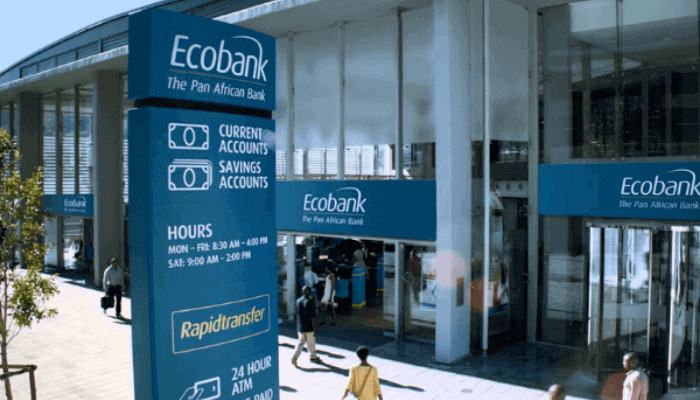
LAGOS — The days of “pink-ribbon marketing”—where banks simply put a female face on a standard loan product—are hitting a dead end. With the launch of Ellevate 2.0, Ecobank Nigeria is signaling a move toward “Identity Banking,” betting that the fastest way to stabilize a volatile portfolio is to back the most resilient demographic in the market: female entrepreneurs.
The “Ghost of Gatimo”: Solving the Trust Gap
The highlight of the launch wasn’t the new software features, but a testimonial from Adenike Ogunlesi (Ruff ‘n’ Tumble). Her story of being rejected by every major bank except Ecobank decades ago serves as a powerful business case:
-
Early-Stage Risk: By backing Ogunlesi when she was “unbankable,” Ecobank secured the lifetime value of a market leader.
-
The Loyalty Dividend: Ellevate 2.0 isn’t just about giving loans; it’s about capturing the secondary business flows (salaries, supplier payments, and personal wealth) of companies that traditional banks are still too timid to touch.
From “Loans” to “Transitions”
The panel featuring Bode Abifarin (Strata Advisory) and Subuola Oyeleye (Beauty Hut Africa) highlighted a shift in how banks are engaging with high-growth sectors:
-
The Beauty Economy: By bringing founders like Oyeleye to the table, Ecobank is acknowledging the Beauty and Lifestyle sector as a serious industrial category rather than a “hobbyist” market.
-
Leader-as-a-Service: The focus on “owning transitions” suggests that Ellevate 2.0 includes a heavy layer of Advisory and Executive Coaching. For a bank, a smarter CEO is a lower-risk borrower.
The “2.0” Tech Stack: What’s Under the Hood?
“Enhanced” in the banking world usually means better integration. Ellevate 2.0 is designed to move beyond the “Her Voice” rhetoric into functional business tools:
-
Collateral Flexibility: Historically, women have struggled with traditional land-title collateral. Revisions in these propositions often move toward Cash-flow based lending and digital footprints.
-
Pan-African Scaling: As a subsidiary of the Ecobank Group, this program acts as a “passport.” A woman-owned business in Lagos can use the Ellevate framework to ease their entry into other African markets where the group operates.
The Bottom Line
Ecobank isn’t doing this out of charity. Female-led SMEs in Nigeria represent a massive, underserved segment with historically lower default rates. Ellevate 2.0 is a Customer Acquisition Cost (CAC) play—by providing “Identity, Resilience, and Purpose,” the bank is essentially building a “moat” around a billion-dollar demographic that their competitors are still trying to understand through old-school spreadsheets.
