

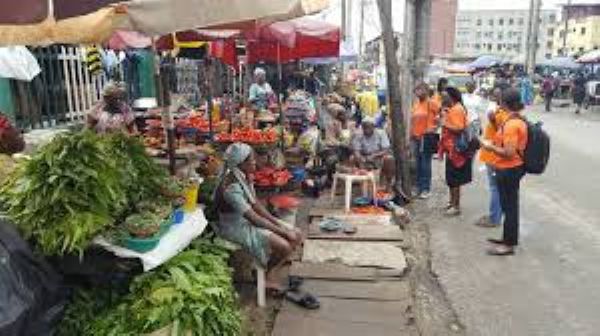
LAGOS — The DeRenaissance Patriots Foundation has raised an alarm over the rapid transformation of traditional marketplaces into modern plazas, warning that the current “glass tower” approach to urban renewal is erasing the very mercantile heritage that built Lagos. In a statement released on Sunday, February 22, 2026, the group argued that the city is witnessing “displacement disguised as modernization.”
The foundation highlighted that while new multi-storey complexes are rising, the original traders—the backbone of the city’s grassroots economy—are being priced out and pushed into informal street trading.
The Soul of Lagos Commerce
The foundation traced the identity of Lagos back to its “open squares,” long before the advent of structured currency or gated plazas. They identified several historic markets as critical centers of culture and commerce that are currently under threat:
-
Oja Ereko & Oke Arin: Hubs of essential commodities and traditional trade.
-
Jankara & Pelewura: Famous for indigenous textiles, crafts, and food supplies.
-
Sandgrouse & Ebute-Ero: Key transit points for coastal and inland trade.
“Lagos did not begin with glass towers… It began in open squares. From that humble beginning emerged a vibrant mercantile civilization,” the statement noted.
The Economic Paradox: Empty Plazas vs. Street Trading
A major concern raised is the “under-utilization” of newly developed markets. The foundation pointed out a troubling trend in 2026:
-
High Entry Barriers: New complexes charge rents and service fees that are prohibitive for low-capital merchants.
-
Unoccupied Structures: Many modern plazas remain partially empty because the primary users (the original traders) cannot afford them.
-
Spill-over Informal Trade: Displaced traders, needing to survive, have taken over adjoining streets, creating more congestion and defeating the purpose of “urban renewal.”
The “Ladder of Success” at Risk
The foundation emphasized that traditional markets have historically served as a socio-economic ladder. By providing low-cost entry points for entrepreneurship, these markets allowed modest families to educate their children into elite professions like law, medicine, and engineering. By removing these affordable spaces, the group warns that the “ladder” is being pulled up for future generations.
The 2026 Manifesto for Inclusive Markets
The DeRenaissance Patriots called on the Lagos State Government to pivot toward a more balanced development strategy:
-
Phased Redevelopment: Upgrading markets in stages so traders are not displaced all at once.
-
Affordability Guarantees: Implementing rent-controlled sections specifically for original occupants.
-
Hybrid Designs: Incorporating “open-air” sections for low-capital merchants alongside modern stalls.
-
Mandatory Consultation: Ensuring active dialogue with market unions before any demolition begins.
Lagos Market Heritage Checklist
| Market Site | Historic Significance | Current Risk Level |
| Ita-Balogun | Colonial-era retail center. | High (Active Redevelopment) |
| Jankara | Cultural hub for herbalists and artisans. | Critical (Displacement concerns) |
| Oke Arin | Nerve center of the wholesale grocery trade. | Moderate (Infrastructure strain) |
| Sandgrouse | Vital food supply chain for the Island. | High (Pricing pressure) |
