

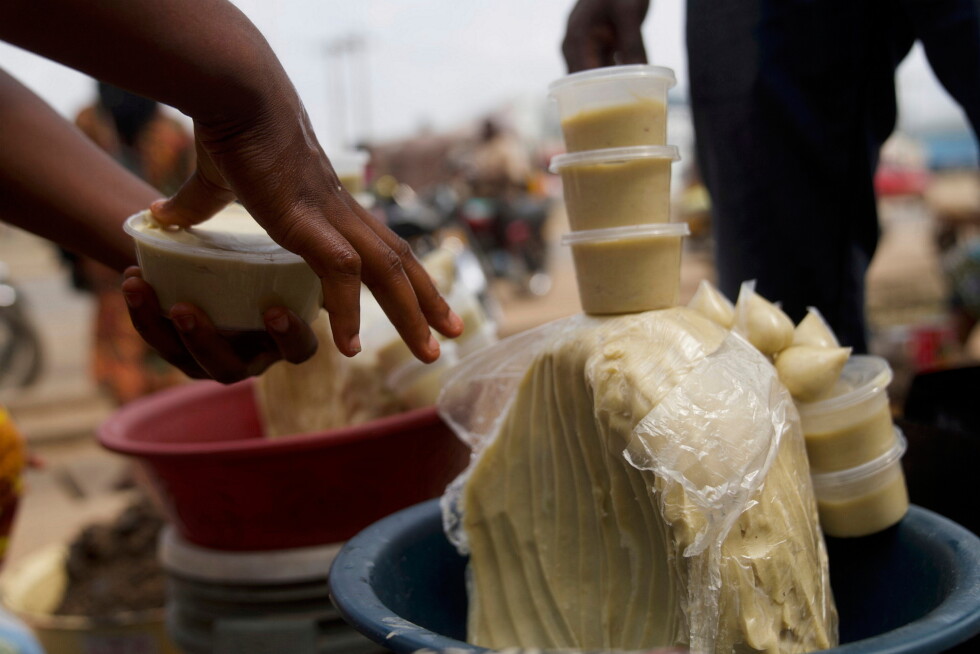
Nigeria’s strategic push to transform its agricultural landscape from raw commodity exportation to high-value industrial processing has achieved a significant diplomatic milestone. At the 2026 Global Shea Alliance (GSA) Conference in Accra, Ghana, Nigerian agro-allied executives swept the apex leadership seats of the organization’s Executive Committee, signaling a major shift in the balance of power within the multi-billion dollar global cosmetics and food processing value chains.
The election marks a critical turning point for sub-Saharan trade, occurring just as Nigeria enforces strict regulatory restrictions on raw shea nut exports to protect domestic factories and maximize regional wealth retention.
1. The New Executive Lineup
The newly inaugurated GSA leadership places experienced Nigerian private sector operators at the center of global trade negotiations, sustainability standards, and investment allocations:
-
The Presidency: Ali Saidu, Chief Executive Officer of Salid Agricultural Ltd., emerged as the President of the GSA Executive Committee.
-
Corporate & Supply Chain Oversight: Amaka Kolawole, Director of Business Development and Corporate Affairs at global oilseeds giant AAK, was appointed to the board.
-
Sub-National Production Integrity: Alhaji Mohammed Ahmed Kontagora, President of the National Shea Products Association of Nigeria (NASPAN), secured an executive seat.
-
Sustainability & ESG Integration: Yosola Onanuga, Head of Corporate Responsibility and Sustainability at the diversified conglomerate Tropical General Investments (TGI) Group, was inaugurated as a committee member.
2. Weaponizing the Export Ban to Build Local Refineries
The rise of Nigerian leadership coincides with the federal government’s firm stance on its recent raw shea nut export ban. Historically, West African countries have harvested and shipped raw nuts to Europe and Asia, capturing less than 10 percent of the final retail value of refined shea butter.
Newly elected GSA President Ali Saidu emphasized that his tenure will focus heavily on shifting Africa away from raw material supply dependence. The strategy centers on establishing mechanized local crushing plants and advanced refining hubs. By processing the nuts into unrefined or fully refined shea butter locally, producing states can instantly double their export values, retain lucrative job opportunities, and supply standardized ingredients directly to international confectionery and cosmetic brands.
3. Traceability, ESG, and Unlocking the $72m Revenue Gap
For Nigeria—which holds the world’s largest wild shea tree canopy across states like Niger, Kwara, Kebbi, and Oyo—the current transition aims to unlock an estimated $72 million in untapped annual export value.
Yosola Onanuga of TGI Group noted that global buyers are increasingly demanding strict compliance with Environmental, Social, and Governance (ESG) standards. The new executive team will prioritize building structured, digitally traceable supply chains.
By using mobile mapping to trace batches directly back to rural women harvesting cooperatives, the alliance aims to eradicate middleman exploitation. This structured ecosystem is designed to secure premium fair-trade pricing, introduce sustainable forest management models, and attract large-scale impact investment capital into Nigeria’s rural economy.
