

Introducing MINE 1000: The Largest Profiling of Made In Nigeria Entrepreneurs (MINE)
Nigeria’s entrepreneurial spirit is one of its greatest untapped national assets.
Across cities, campuses, and communities, millions of small business owners are quietly building, innovating, and creating value—often without recognition, documentation, or visibility.
MINE 1000 (Made In Nigeria Entrepreneurs 1000) is a bold national initiative by naijapreneur.com to change that.
It is the largest annual profiling of Small Business Owners in Nigeria, capturing 1,000 real entrepreneurial stories from across the country—documenting their journeys, struggles, breakthroughs, and impact. This project is designed to become a permanent digital archive of Nigerian entrepreneurship, accessible to the public, investors, government, researchers, policymakers, and future generations.
These are not just success stories.
They are real stories—raw, inspiring, and deeply reflective of what it truly means to build a business in Nigeria.
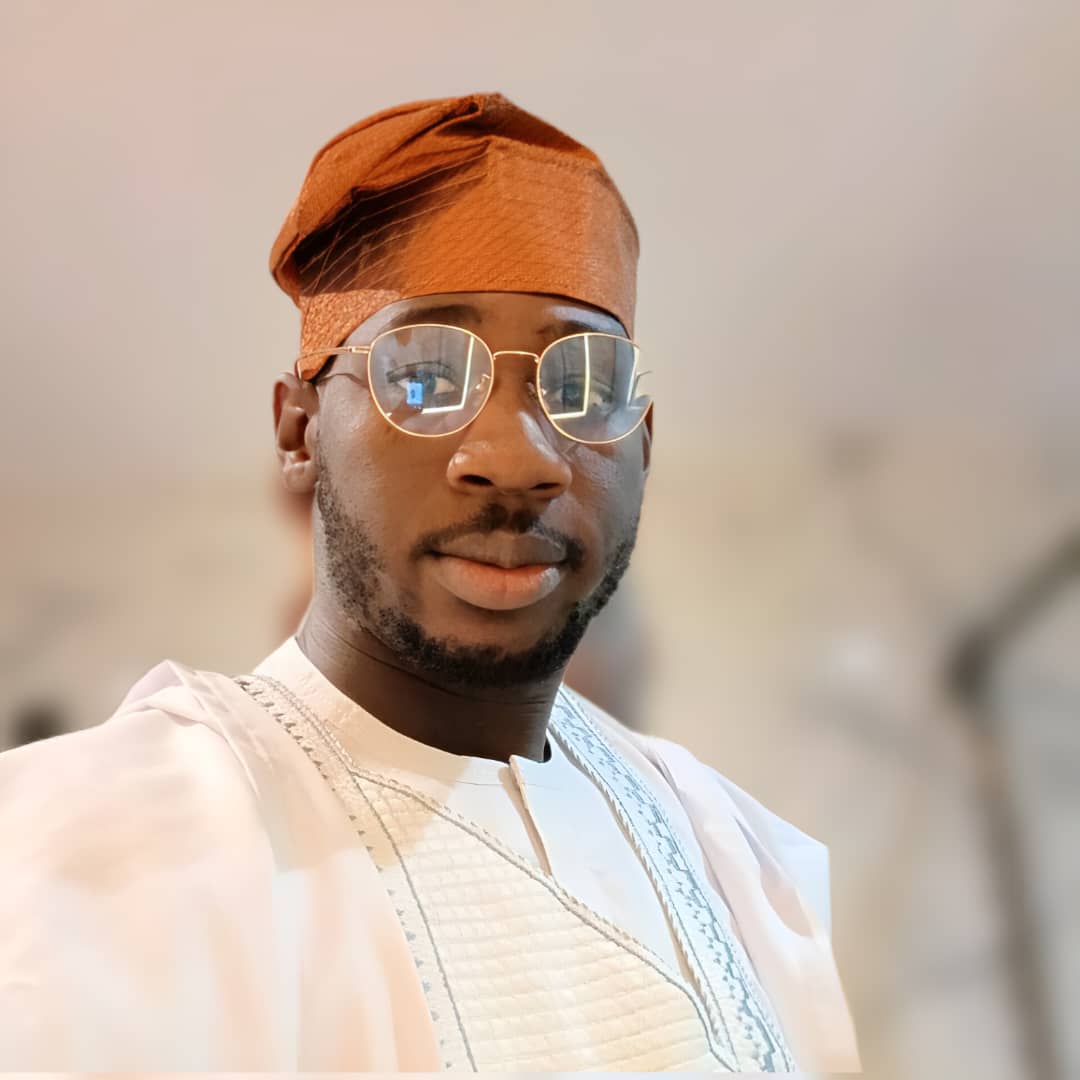
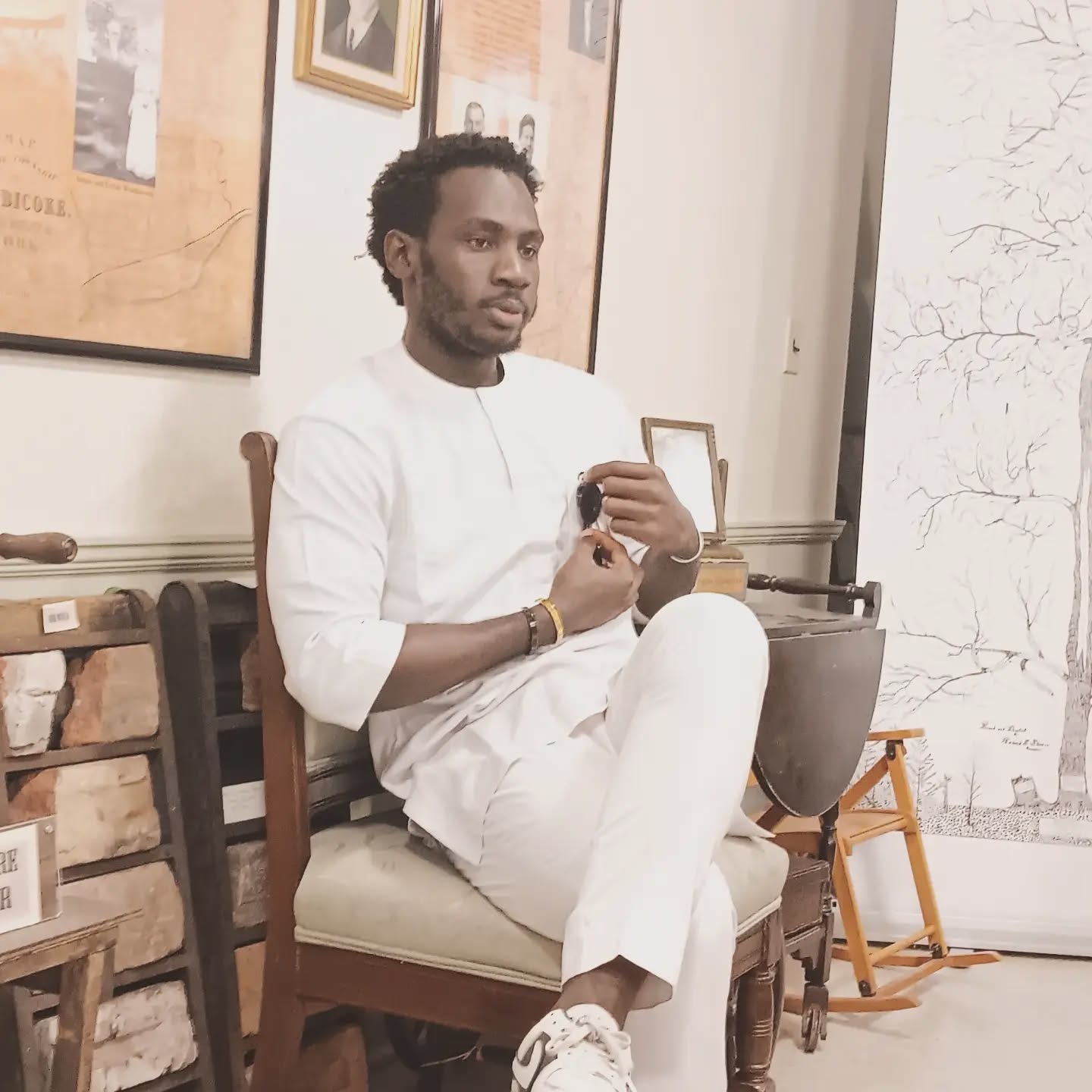
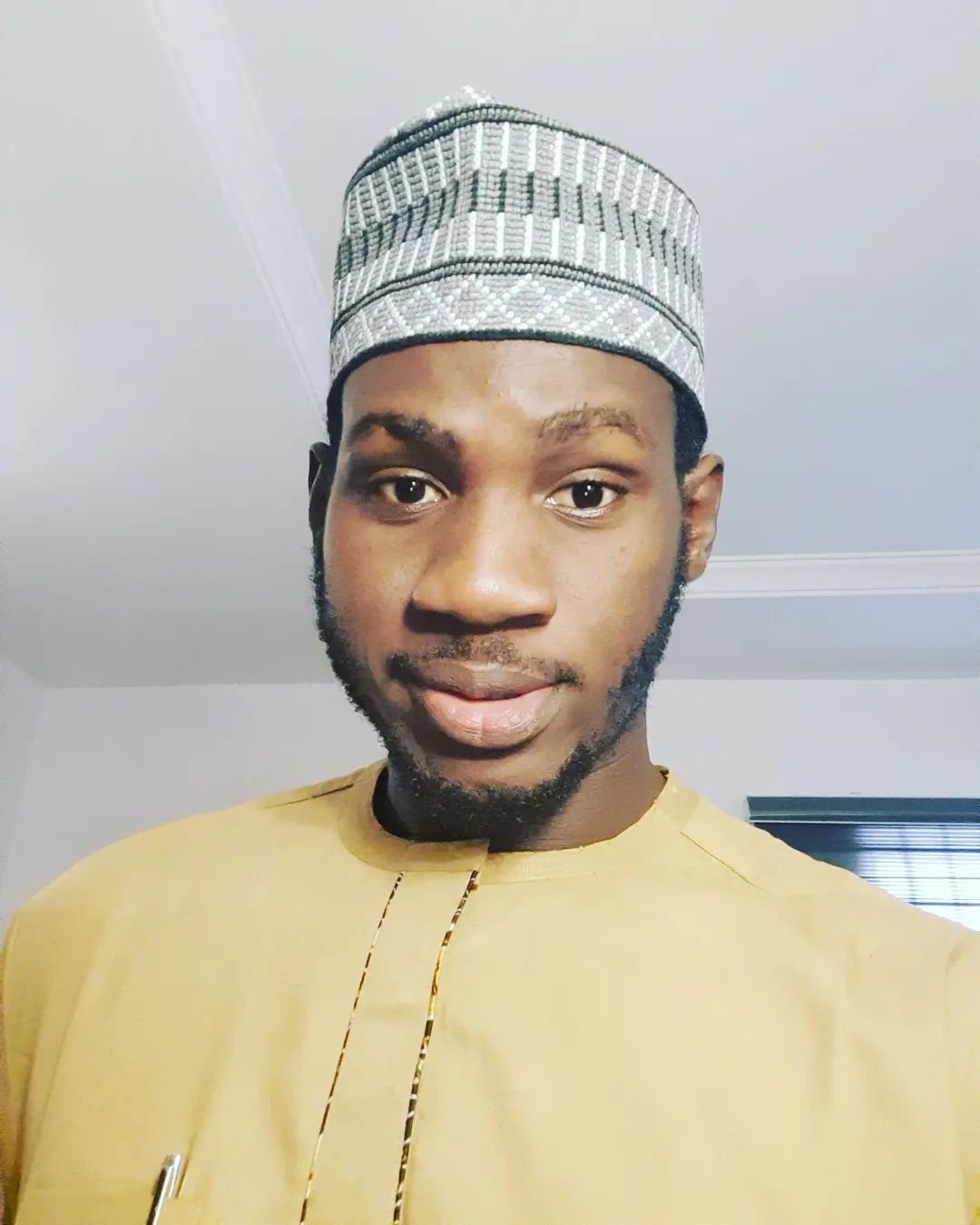
Meet R. J. Musah, Founder OgaMusah Ltd.
In a country where entrepreneurship is often born out of necessity, R. J. Musah represents a different kind of founder — one driven not only by survival, but by vision, ambition, and an intense hunger to build lasting systems. His story is one of resilience, self-belief, reinvention, and the relentless pursuit of impact. From the busy streets of Ebute Metta in Lagos State to building businesses in logistics, transportation, real estate, and infrastructure, RJ’s entrepreneurial journey reflects the determination of a generation of Nigerians who refuse to let circumstance define their future.
Growing up in a deeply entrepreneurial environment, RJ was surrounded by people who understood the realities of hard work and value creation. His father, a retired civil servant who transitioned into transportation, and his mother, a tailor, food seller, and small business owner, exposed him early to the importance of money management, people management, and resourcefulness. Watching his mother manage apprentices and multiple streams of income while his father navigated the transportation sector gave him firsthand insight into the discipline and sacrifices required to sustain a business in Nigeria.
Long before he officially launched OgaMusah, entrepreneurship had already become part of his identity. As a secondary school student, he started running small businesses and earning money from his peers, discovering the thrill that comes from turning ideas into value. While many children dream of comfort, RJ dreamed of ownership. At different stages, he imagined himself as a mechanical engineer building powerful machines or as a footballer playing local tournaments for money, but beneath all those dreams was a recurring desire — to create something meaningful and financially impactful.
That early entrepreneurial instinct would later evolve into bigger ambitions. Following his involvement in the tech ecosystem and after exiting a startup, RJ fully committed himself to building OgaMusah, a company focused on logistics, cleaning, relocation, and transportation services. With the support of a ₦10 million loan from a friend, he built physical structures from day one instead of taking the safer route of starting small online. It was a bold and risky move, but one that reflected his confidence in his ability to execute.
However, the journey was far from smooth. Like many entrepreneurs, RJ encountered crushing pressure during the COVID-19 pandemic, a period that nearly pushed him to the edge emotionally and financially. With debts piling up, salaries unpaid, and survival becoming uncertain, he was forced to pivot, negotiate for time from creditors, and reinvent aspects of the business just to stay afloat. Yet those moments became defining experiences that strengthened his resilience and sharpened his focus.
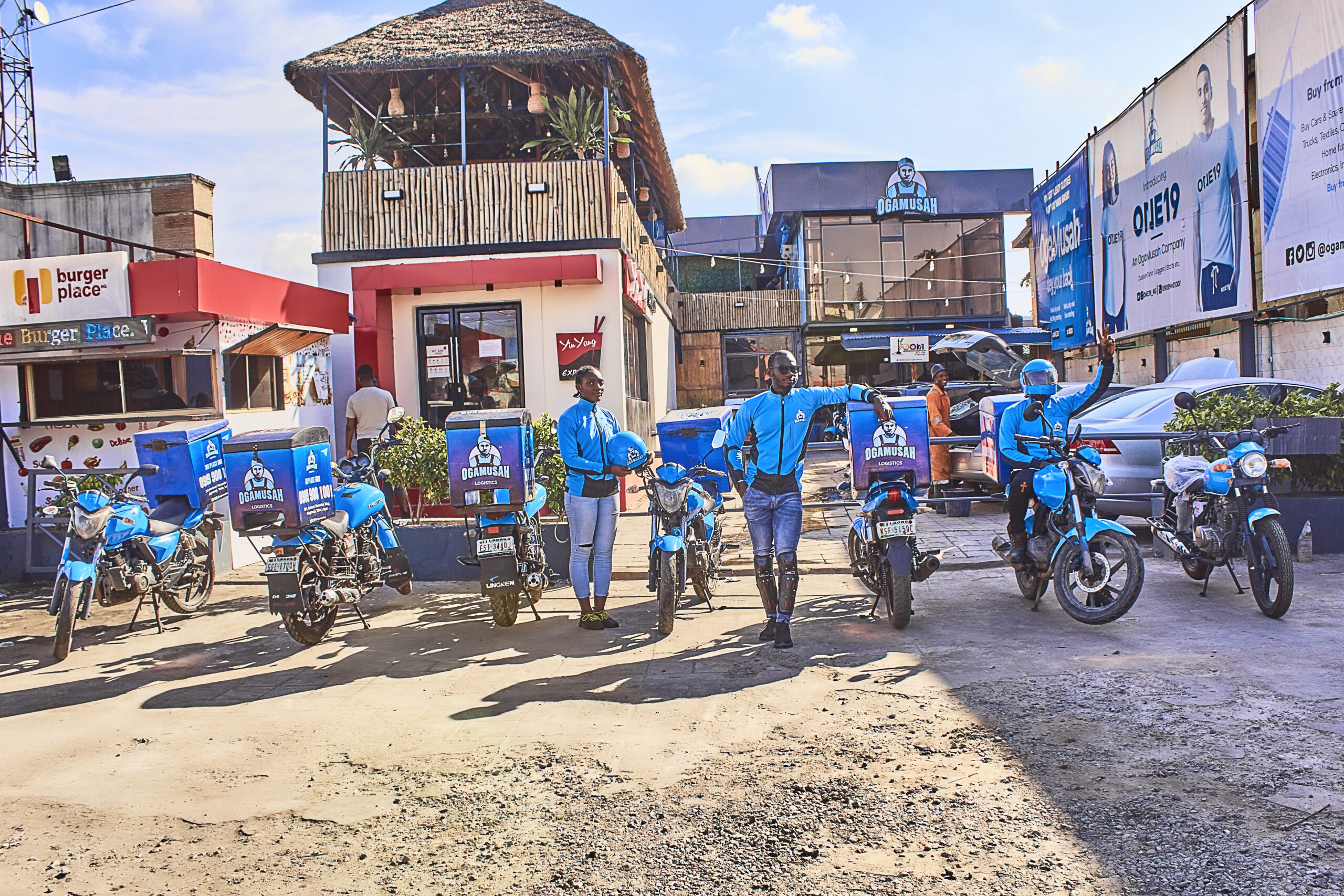
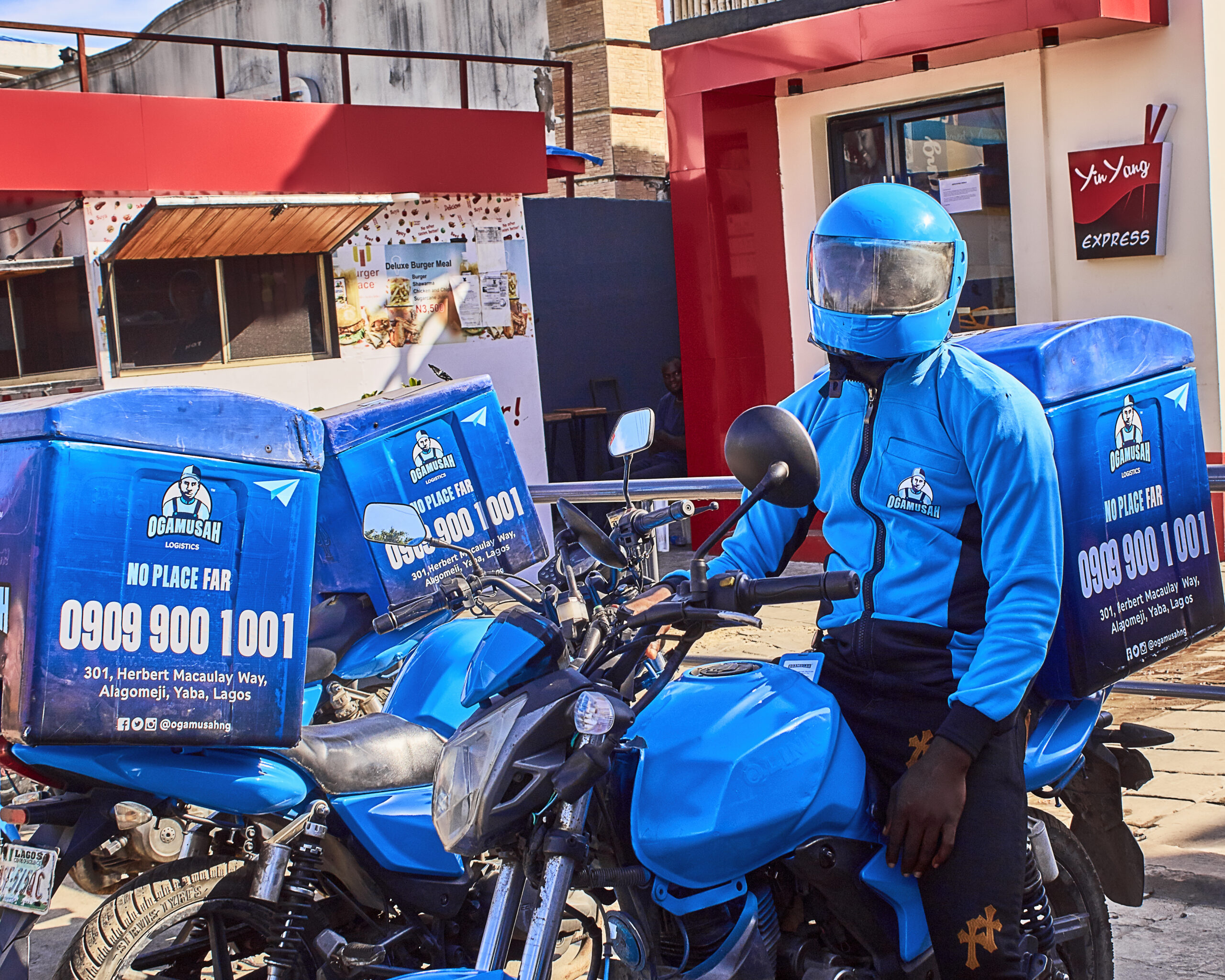
Today, OgaMusah has evolved into a business providing integrated relocation and logistics solutions, offering customers convenience through end-to-end services that include transportation, installations, and home cleaning. Beyond business growth, RJ’s work also creates opportunities for blue-collar workers and contributes to employment within Nigeria’s service ecosystem. Through his entrepreneurial journey, mentorship initiatives, and support for young Nigerians, he continues to build not just companies, but systems of opportunity.
This is his MINE story.
SECTION A: THE FOUNDER’S ORIGIN STORY
“Every giant once stood on wobbly legs.”
What is your full name and what do you prefer to be called?
My name is R. J. Musah
Where did you grow up? (Town, State, and a brief description of your childhood environment)
I grew up in one of the suburbs of Lagos State, Ebute Metta to be precise.
What did your parents or guardians do for a living, and how did that shape your view of work and money?
My father was a retired civil servant who moved into transportation, my mother was a tailor with many apprentices, a food seller, a general mini business owner. I could say, I grew up with entrepreneurs where money and people management were a crucial knowledge everyone has to learn as we grow with them and I think that shaped the large part of my learning experience.
Before entrepreneurship, what did the younger version of you dream of becoming?
You know, being young and full of dreams, at some point I thought I would be a mechanical engineer building tough engines that could do many things, at some points, I was aiming to be a footballer, I guess I was talented in football and I was mostly invited to play local tournaments for money. Life has a way of shaping us differently.
Describe the moment you realized you wanted to run your own business. Was it a gradual awakening or a lightning bolt moment?
For me, I would say it has always been there, the passion to become rich and the philanthropic ambition to help others. I could only achieve that through owing many businesses. I prepared for today. I started running mini businesses to fetch money from secondary school days and I was getting paid by my peers. The dopamine of having to make money in exchange for value and the idea which came from my brain is unexplainable.
Who is the one person (alive or dead, known personally or not) that you would credit as an inspiration for your entrepreneurial journey?
I have always admired so many people both home and abroad. Moreso, I look at myself as a great inspiration and the hunger not to fail myself. This awareness of what I can do keeps me awake in the morning and grants me fuel to keep pushing.
SECTION B: THE BUSINESS BIRTH
“From idea to first sale.”
What is your official business name and registration number (if registered)?
I currently run OgaMusah (An errand company focusing on logistics, cleaning and transportation) and I run Josh Einstein Company (A company focusing on real estate, infrastructure and investment)
In one sentence, what does your business do?
I will talk about OgaMusah, we do cleaning, logistics and transportation
What year did you start, and how old were you at the time?
I started OgaMusah at 28yrs. Previously, founded other companies.
What were you doing for money in the 12 months before you started this business?
I was running a tech startup, after my exit. I moved fully to building OgaMusah.
Describe your startup capital situation.
How much did you start with? (₦)
Interestingly, my friend loaned me #10m to start which today I would be most grateful for.
Where did the money come from? (Be specific: personal savings, cooperative, friends, bank loan, etc.)
loan
How many times did you hear “no” before you got to “yes”?
I do not see a No as a rejection, it simply means I am either not talking to the right person or the timing is wrong. Before, the no, I already got a yes from myself everytime.
Where did you operate from on Day 1? (Your bedroom, a shop, under a tree, online only?)
We built a structure from that first day money.
Tell us about your very first customer. Who were they, how did they find you, and how did you feel when they paid you?
Because the structure was appealing to behold. Customers came in themselves without a single ad, that could be out of curiosity also.
What was your biggest mistake in the first year, and what did it teach you?
Trying to do too many things at the early stage was a pressurized approach. Now, we have have a business model and we are more focused now.
If your business were a child, describe its difficult birth or toddler years.
I would say a child with an extreme level of awareness of what he can do, instead of taking it step by step. You wanted to be big on Day 1.
SECTION C: THE STRUGGLE CHRONICLES
“What didn’t kill the business…”
Describe a moment when you almost quit. What pushed you to the edge, and what pulled you back?
During Covid. We had running debts and no revenue, we were feeding from hand to mouth. It was a low period for me and I almost ended it. Through the grace of God and ingenuity we survived, we pivoted from our original idea and started doing something else to survive. I do not think anything could break me anymore. Everyday, I tell myself, I can pull through and I was constantly looking for a way out either through begging for opportunities or soliticiting for open doors. I pushed myself to the extreme.
What was your lowest financial point? (e.g., couldn’t pay rent, staff salaries, almost bankrupt)
At some point, we couldn’t pay salaries, debts maturity were knocking and I started blaming myself for putting myself in that mess.
Have you ever been betrayed in business? By a partner, employee, or customer? How did you handle it?
Alot of times, sometimes, you need to come to that realization that betrayal is part of what shapes you as an entrepreneur. You have to be prepared for it. When it comes, count your losses and do not dwell on it.
What sacrifices have you made personally for this business? (Time with family, health, relationships, sleep, etc.)
I have given everything intangible anyone can think of time, health, relationships etc.
How has entrepreneurship affected your mental and emotional health? What do you do to stay grounded?
Entrepreneurship has taught me to be calm and observe before making any decision. I have dealt with different people with different backgrounds, this has shaped my world view on people’s interactions and thought process.
What criticism or doubt did you face from friends or family when you started, and do they still doubt you?
When we started the physical structure, many people doubted and I stopped giving updates to them. When we launched, I invited all of them to witness what I have created and it was amazing.
Have you ever had to lay someone off? How did that feel, and how did you handle it?
No remorse at all. Sometimes, its best for the business. How I feel is immaterial. As long as the business feels good.
SECTION D: THE BREAKTHROUGH MOMENTS
“The tide turns.”
What was the single biggest opportunity that changed your business trajectory?
I would say time was the biggest opportunity. We negotiated more time from our creditors to allow us do business, we focused on our strength and started generating revenue organically.
Describe your “first million” moment (first ₦1 million in revenue or profit). How long did it take, and how did you celebrate?
Ours is not more of first million. First million came from other businesses. We were doing well in our other aspect, so our first million wasnt really a parade.
Who believed in you when it mattered most, and what did they do?
I am grateful for my family and friends for their support. My family came through and I was not shy to seek support from them. Through collaborations with friends, we also got some boosts.
What is the one decision you made that turned out to be brilliantly right, even if it seemed risky at the time?
Taking a huge loan with no sight of how the repayment will come. We believe that if we run the business well, help will come. Because people want to invest in successful people.
Tell us about a mentor, advisor, or supporter who made a difference. What specific advice changed your approach?
I have had great people in my life. Beyond money, there are supporters I still go to today for advise and in my low, I still reach out to them.
When did you first realize, “I might actually pull this off”?
The first day I thought about the idea. I know my capabilities and I knew I could achieve maximum results.
SECTION E: THE BUSINESS TODAY
“Where things stand.”
Current team size: How many full-time and part-time employees do you have?
Total combined fulltime #15
Total part-time #10
Current locations: Where do you operate now compared to where you started?
We started from Yaba Lagos and we are still based in Yaba Lagos.
Annual revenue range (optional but helpful):
· Less than ₦5M
· ₦5M – ₦25M
· ₦25M – ₦100M
· ₦100M – ₦500M
· ₦500M+
What is your most popular product or service, and why do customers love it?
Home cleaning and home relocation
Who is your ideal customer, and how do you reach them?
We target professional individuals and SMEs
What sets you apart from competitors? (Be honest—what do you do better than anyone else?)
We control the end to end of logistics which is a big advantage. For instance for a customer moving from point A to B. There are other services we provide e.g. uninstallation and installation, after the move has been completed, our team also take charge of the cleaning of the home. This gives our customers some level of convenience.
What is the biggest operational challenge you face right now?
People.
How has your role as founder changed from when you started to now?
Now, its different, the vision is clearer and the ride is smoother but more challenging.
SECTION F: LESSONS FROM THE TRENCHES

“If I knew then what I know now.”
What do you know now about running a business in Nigeria that you wish you knew on Day 1?
Focus on your strength before scaling. We made the mistakes in our early days to grow too fast without building a solid system.
What is the biggest myth about entrepreneurship that you want to debunk?
Entrepreneurship is not a miracle. You do not become big overnight.
What specific skill has proven most valuable to your success? (e.g., sales, bookkeeping, negotiation, people management)
Negotiation, people management, emotional intelligence and sales of course.
What system, tool, or habit has made the biggest difference to your productivity?
Empathy for team members
How do you handle the “government factor” (taxes, regulations, permits) in Nigeria?
We go through appropriate channel for licensing and permits for instance, vehicle documentation and branding.
What advice would you give to someone who wants to start the same kind of business as yours?
There are bad days, be prepared.
What question do you wish aspiring entrepreneurs would ask you, and what’s your answer?
Would I do this again if I was to turn back the hands of time? I would say No, because its not a bed of roses.
SECTION G: IMPACT & LEGACY
“Beyond the balance sheet.”
Beyond making money, what problem does your business solve for your community or Nigeria?
For us, its employment opportunities for the blue collar job. From Dominic who is our house cleaner and earns as much as a bank teller personnel to Emmanuel who helps in moving items and many more in the value chain.
How many Nigerian families depend on your business for their livelihood (including indirect dependents)?
Do you manufacture or produce anything in Nigeria? If yes, tell us about what you make and where.
Have you been able to mentor or support other entrepreneurs? How?
Yes, I have been. Personally, as the founder of Semicolon, many young Nigerians have become software engineers which is a great contributing factor. Through the RJ Musah foundation, we have also provide educational support for young people.
If your business disappeared tomorrow, who would miss it most and why?
The great team who work with me.
What does “Made In Nigeria” mean to you personally?
A product made by Nigerians, consumed by the world.
What kind of legacy do you want to leave through this business?
We want to transform logistics and transportation in Nigeria. Away from the outdated and traditional way of doing it.
SECTION H: THE FUTURE
“What’s next:”
Where do you see your business in 5 years?
We want to transform transportation in Nigeria, one step at a time.
What is the biggest goal you haven’t achieved yet?
If you had access to unlimited capital tomorrow, what’s the first thing you would do?
Invest in viable businesses
What markets outside Nigeria are you eyeing for expansion?
Regional logistics and transportation across West and East Africa
What new product or service are you excited about developing?
What kind of support do you need most right now to reach the next level?
SECTION I: PERSONAL & REFLECTIVE
“The human behind the brand.”
What do you do when you’re not working? (Hobbies, passions, guilty pleasures)
Football on weekdays and cycling on weekends
What book, podcast, or movie has influenced your business thinking most?
How to win friends and influence people
What’s your favorite Nigerian food, and where do you get the best version of it?
Both home and abroad. I enjoy my afang and egusi
Complete this sentence: “Most people don’t know that I…”
I am an extremely shy person.
If you weren’t running this business, what would you be doing?
Running another business.
What’s the best piece of advice you’ve ever received (business or personal)?
We do not looking back driving a car. Stay focused at all times.
What song gets you through a tough day?
Worship songs
If you could have dinner with any Nigerian, alive or dead, who would it be and why?
No one comes to mind. I guess I would have it with myself.
Building Beyond Survival: The Legacy RJ Musah Wants to Leave
R. J. Musah’s entrepreneurial story is not built around glamour or overnight success. It is built around grit, pressure, calculated risk, and an unusual level of self-belief. From surviving crushing debt during the COVID period to rebuilding through focus and reinvention, his journey reflects the reality of many Nigerian entrepreneurs who continue pushing despite uncertainty.
Through OgaMusah, RJ is not only creating convenience-driven logistics and relocation services, but also creating employment opportunities for everyday Nigerians across the blue-collar workforce. His vision extends far beyond profit margins — he wants to modernize transportation and logistics in Nigeria while proving that Nigerian-built solutions can compete on a global scale.
Perhaps the most striking part of his story is his honesty. He openly admits entrepreneurship is “not a bed of roses,” yet he continues to build relentlessly. That balance of realism and ambition is what makes his story powerful. For aspiring entrepreneurs reading this, RJ Musah’s journey is proof that resilience, adaptability, and self-awareness are often the true currencies of long-term success.
