

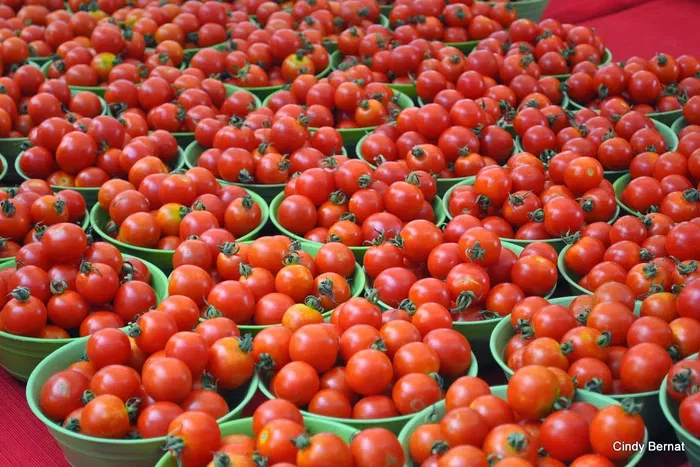
Nigeria is one of the largest producers of fresh tomatoes on the planet. Fields across the north burst with the crop every season. And yet, every year, the country quietly writes a $400 million cheque to foreign producers for tomato paste — a product made almost entirely from the same fruit Nigeria grows in abundance.
That figure, disclosed by the Nigerian Export Promotion Council at a technical workshop in Kano, is more than a statistic. It is a diagnosis.
The workshop, organised under the One-State-One-Product initiative and focused on tomato value chain development for export, drew attention to one of the most glaring contradictions in Nigeria’s agricultural economy: world-class raw material, bottom-tier value addition. Amina Abdulmalik, the Council’s director general — represented at the event by Lubabatu Kabir Bello — didn’t soften the assessment.
“The global processed tomato market is valued at over $12 billion annually, yet Nigeria continues to spend more than $400 million importing tomato paste,” she said. “This is an opportunity we must reclaim.”
So where exactly is the breakdown?
It starts at the farm — and ends long before the factory. Post-harvest losses swallow between 40 and 50 per cent of Nigeria’s annual tomato output. That means nearly half of what farmers grow never makes it to processing at all. It rots in transit, in storage, in the gap between a harvest and the infrastructure needed to handle it. What remains is then filtered further by quality gaps, pesticide residue concerns, insufficient processing capacity, and weak compliance with the international standards that export markets demand.
The result: a country sitting on a goldmine, spending hundreds of millions to import what it could — and should — be making itself.
The path forward, according to the Council, isn’t complicated in theory, even if it’s demanding in practice. Improved farming practices, low-cost post-harvest technologies, investment in local processing infrastructure, and strict adherence to global standards on packaging, labelling, and food safety are the building blocks. For micro, small and medium enterprises operating anywhere along the agricultural and food processing value chain, the message from Kano was direct: the opportunity is real, and the gap is wide open.
Closing even a fraction of that $400 million import bill would do more than save foreign exchange. It would create jobs up and down the value chain, improve incomes for the smallholder farmers who grow the bulk of the crop, and begin repositioning Nigeria — credibly — as a competitive force in processed agricultural exports rather than simply a supplier of raw materials.
The workshop sits within Nigeria’s broader push for export diversification and non-oil economic growth. That strategy has been articulated many times in many rooms. What’s different now is the specificity — a single crop, a single value chain, a single number that makes the cost of inaction impossible to ignore.
$400 million. Every year. For paste made from tomatoes Nigeria already grows.
