

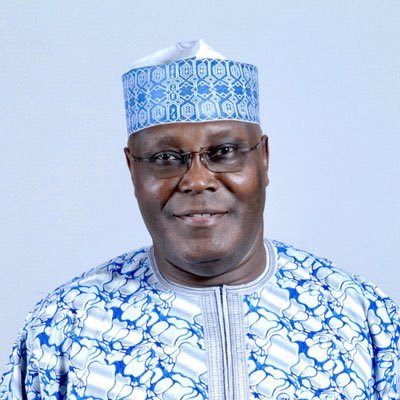
In a scathing review of current fiscal directions, former Vice President Atiku Abubakar has challenged the federal government’s economic narrative, characterizing recent reforms as “punishment” rather than progress. The critique follows the International Monetary Fund’s (IMF) latest report, which downgraded Nigeria’s 2026 growth forecast, citing a volatile mix of high operational costs and weakening non-oil activity.
The “Disconnected” Reform Narrative Atiku argued that the administration’s focus on macroeconomic indicators ignores the eroding dignity of the average citizen.
-
The Reality Gap: He noted that while official jargon speaks of “stabilization,” the local reality is one of “worthless paper wages” and markets that have become “museums of unaffordable goods.”
-
The One-Way Street: Atiku criticized the government for demanding patience and sacrifice from the public while failing to deliver visible relief, jobs, or improved living standards.
-
Small Business Suffocation: The statement highlighted the folding of MSMEs under the combined weight of soaring electricity tariffs, aggressive taxes, and a “suffocating” business climate.
The Debt and Deficit Warning The former presidential candidate raised alarms over the nation’s borrowing trajectory:
-
Borrowing Without Impact: Atiku questioned the sustainability of “borrowing like there is no tomorrow” when there is no corresponding improvement in the “pots boiling in the kitchen” or the ability of small traders to restock.
-
Fiscal Buffer Erosion: He warned that mounting debt, coupled with declining bilateral aid, is leaving Nigeria with zero fiscal room to maneuver during future crises.
The IMF Catalyst: Downgrade to 4.1% The critique gained momentum from the IMF’s April 2026 Global Financial Stability Report, which slashed Nigeria’s growth expectations for the year.
-
The Drivers: IMF Division Chief Denz Igan attributed the weaker outlook to high fuel and fertilizer prices, as well as elevated shipping costs that are stifling the non-oil sector.
-
The Offset: While high oil prices provide a minor cushion, they are insufficient to balance the broader economic drag.
-
Monetary Pressure: The IMF emphasized that Nigeria must maintain tight monetary policies to combat inflation, even as fiscal buffers remain strained across the Sub-Saharan region.
