

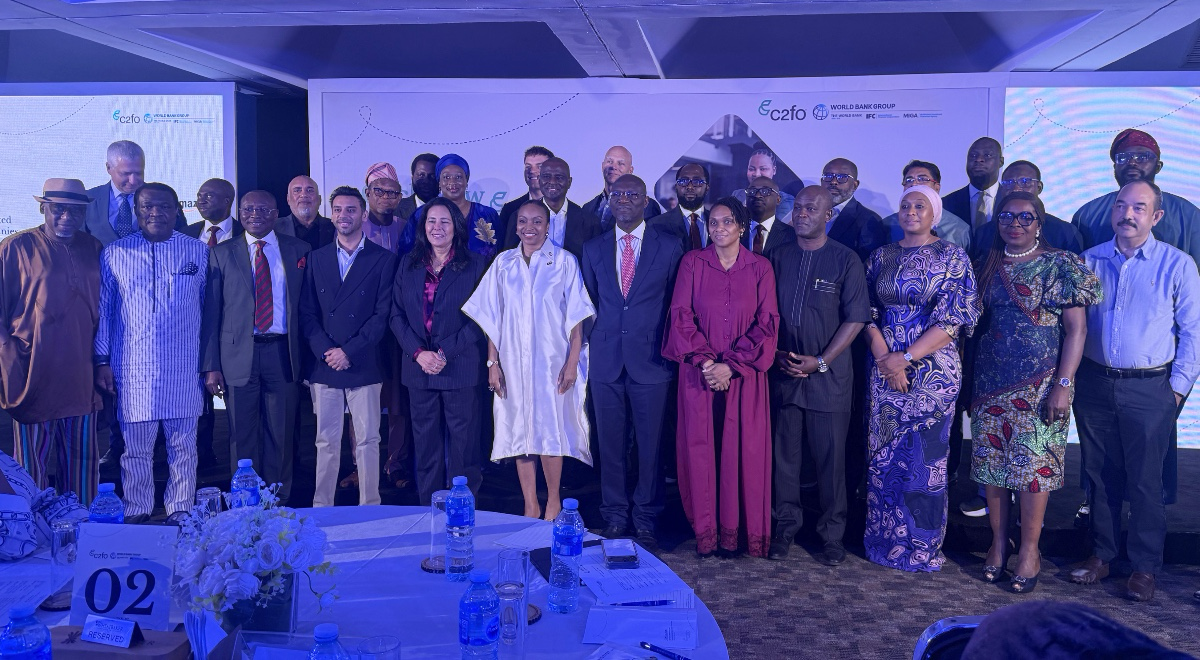
A potential game-changer for Nigeria’s 40 million small businesses has arrived. CycleFlow, a digital working capital platform backed by a $30 million investment from the International Finance Corporation (IFC) and powered by global fintech C2FO, has officially launched in Lagos.
The platform aims to solve the “collateral crisis” that has long stifled Nigerian entrepreneurs by using a simple but revolutionary concept: turning verified invoices into immediate liquidity.
The “No-Collateral” Breakthrough For most MSMEs, waiting 30 to 90 days for a large corporate buyer to pay an invoice is a death sentence for cash flow. CycleFlow changes the rules:
-
Invoice Discounting: Small businesses can view their already-approved invoices on the platform and choose to receive payment immediately in exchange for a small, self-selected discount.
-
Credit Shifting: Instead of banks looking at the (often weak) credit profile of the small business, the lending is based on the credit strength of the big buyer (e.g., a major FMCG or telecom firm).
-
Zero Red Tape: Because the invoice is already verified by a trusted buyer, there are no lengthy loan applications, no collateral requirements, and no additional KYC hurdles.
The Macroeconomic Punch The projections for CycleFlow’s impact are staggering. According to IFC data:
-
GDP Boost: At full scale, the platform could inject $25 billion to $30 billion into the economy annually, potentially raising Nigeria’s GDP by 1% to 3%.
-
Job Engine: For every $1 million disbursed, an estimated 16 jobs are created. At scale, this could mean 480,000 direct jobs and over 2 million indirect jobs.
Government and Industry Backing Speaking at the launch, the Minister of Finance, Wale Edun (represented by SEC DG Emomotimi Agama), described the platform as a “decisive” solution to a solvable problem. Segun Ogunsanya, Chairman of CycleFlow Limited, clarified that the platform isn’t competing with banks but rather giving them a safer, technology-driven way to funnel liquidity to the MSME sector.
Why It Matters Now With over 80% of Nigerian employment tied to MSMEs, yet only a fraction having access to formal credit, CycleFlow arrives as a structural lifeline. By leveraging the existing relationships between “anchor buyers” and their suppliers, the platform ensures that the “money in the pipes” starts flowing immediately to those who need it most.
