

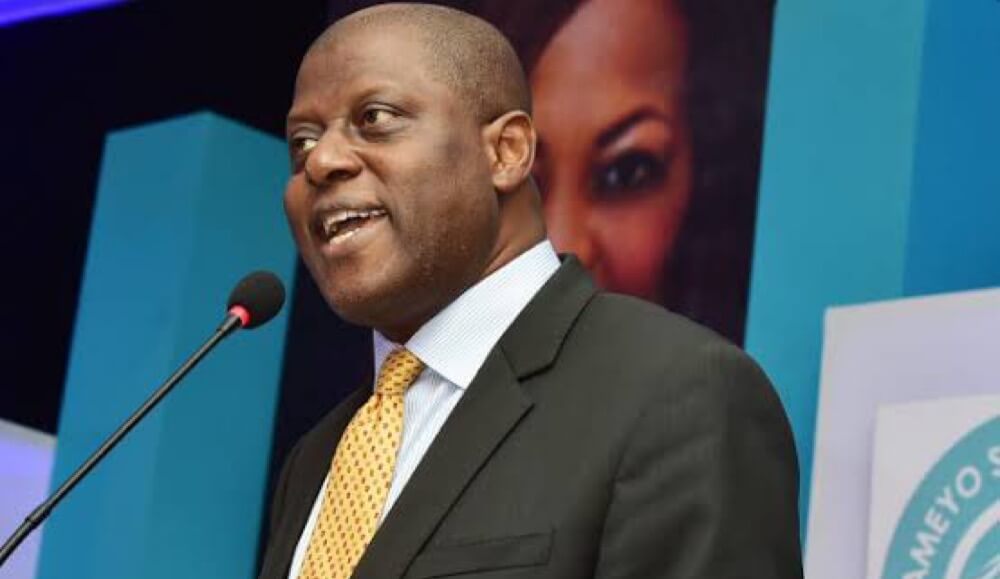
In a high-stakes fireside chat at the Africa Capital Forum on March 17, 2026, Central Bank Governor Olayemi Cardoso delivered a definitive eulogy for Nigeria’s previous economic era. Speaking to a room of global institutional investors and the President of the EBRD, Cardoso declared the old, opaque system “dead and buried,” replaced by a transparent, evidence-based framework designed to end the “who-you-know” culture at the apex bank.
1. The Disinflation Victory: 11 Months of Progress
Cardoso presented a compelling data set to prove that the “Macro Reset” is working:
-
The Inflation Halving: Nigeria’s once-sky-high inflation has been slashed by 50%.
-
Consistency: The country has now recorded 11 consecutive months of disinflation, signaling that monetary tightening and liquidity management are hitting their marks.
-
The Pivot: The focus has shifted from “surviving a crisis” to “mobilizing long-term capital” for power, infrastructure, and agriculture.
2. Banking Strength: The Global Ambassador Model
The CBN Governor highlighted a banking sector that is increasingly outward-looking:
-
UK Expansion: Seven Nigerian banks now operate in the UK, with the most recent expansion hitting Manchester.
-
Recapitalization Milestone: 23 banks have already cleared the regulator’s stringent new capital requirements, creating a “fortress” financial system capable of supporting multi-billion dollar infrastructure projects.
-
Rule-Based Governance: The shift toward a rule-based framework is intended to remove “regulatory discretion,” ensuring that policy stays consistent regardless of political shifts.
3. The “Subnational” Investment Call
In a strategic move, Cardoso urged the European Bank for Reconstruction and Development (EBRD) to look beyond the federal level and invest directly in Nigeria’s Subnationals (States). This reflects a growing trend in 2026 where individual Nigerian states are becoming autonomous economic hubs with their own credit profiles and investment needs.
4. The Unified Front: Fiscal and Monetary Alignment
Minister of Finance Wale Edun reinforced the message, emphasizing that for the first time in years, the “Left Hand” (Fiscal Policy) and “Right Hand” (Monetary Policy) of the Nigerian government are perfectly aligned. This coordination is the “Secret Sauce” intended to reprice Nigeria’s risk profile and reopen the doors to global capital markets.
