

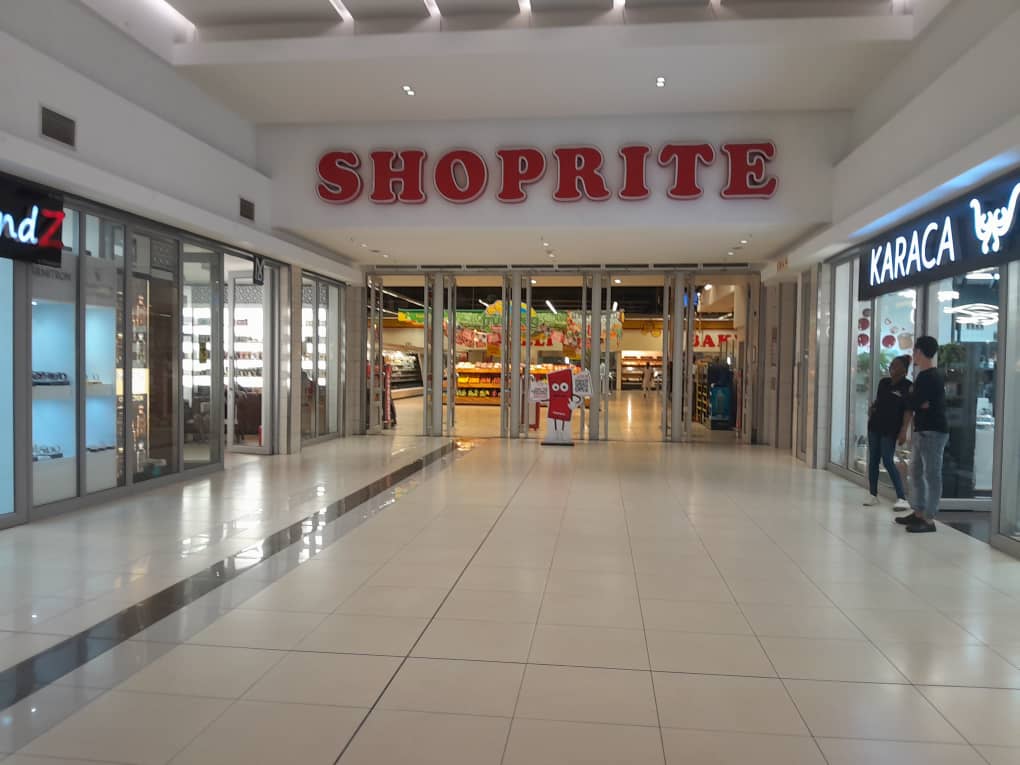
LAGOS — Nigeria’s organized retail sector is facing its most significant crisis in decades following the total shutdown of Shoprite, the South African-born giant that defined the country’s modern shopping experience for 20 years.
The collapse has sent shockwaves through the national “mall economy,” with analysts estimating a staggering N1.4 trillion loss in value. The closure of the anchor tenant has left a trail of “collateral damage,” affecting thousands of employees, local suppliers, and hundreds of small businesses that thrived in the retail giant’s shadow.
From Market Leader to Empty Shelves
Once a symbol of middle-class aspiration, Shoprite’s decline became visible in 2024 as shelves in major cities began to go bare. By the final quarter of 2025, the brand—managed by the Nigerian franchise Retail Supermarkets Nigeria Limited (RSNL)—finally buckled under the weight of severe macroeconomic headwinds.
The “Perfect Storm” for Retail:
-
Currency Volatility: Persistent foreign exchange shortages made restocking international brands nearly impossible.
-
Supply Chain Collapse: Rising import tariffs and logistics costs crippled the inventory flow.
-
Declining Purchasing Power: Record-high inflation forced consumers to pivot toward cheaper, indigenous neighborhood stores.
The “Anchor Effect”: Malls Turn into Ghost Towns
Shoprite acted as the “anchor” for Nigeria’s most prestigious malls. Its departure has triggered a domino effect for smaller tenants like boutiques, pharmacies, and cinemas.
-
Lagos: In the Apapa and Festac Malls, shop owners report a 60% drop in foot traffic. “People came for groceries and stayed to browse our shops,” one fashion retailer lamented. “Now, there are days we don’t make a single sale.”
-
Kano: The Ado Bayero Mall—once a beehive of northern commerce—now sees skeletal operations, with the massive Shoprite wing remaining under lock and key since early 2024.
-
Akure & Ibadan: Former employees have been forced into the informal economy, with many turning to “POS businesses” or petty trading to survive.
“I used to attend to 20 customers a day; now I’m lucky to see three,” says Mrs. Yusuf Oluwanifemi, a spa owner in Akure. “I’ve had to cut my staff from five down to two just to keep the doors open.”
A “Business Reset” or a Permanent Exit?
Despite the boarded-up windows, RSNL management maintains that this is not a final exit. Chief Strategy Officer Bunmi Cynthia Adeleye described the current situation as a “comprehensive business model reset,” intended to align the brand with Nigeria’s new economic realities.
However, for the thousands of vendors who built their livelihoods around Shoprite’s daily hum, the wait for a “reset” feels like an eternity. While there are rumors of newer, leaner supermarket chains taking over the vacated spaces, the era of the mega-retailer as Nigeria once knew it appears to have come to a somber close.
By the Numbers: The Impact
| Metric | Estimated Impact |
| Total Value Erased | N1.4 Trillion |
| Operational Outlets Lost | 25 stores across 13 states |
| Direct Job Losses | Thousands (Cashiers, security, logistics) |
| Ancillary Businesses Affected | 500+ small-scale mall tenants |
