

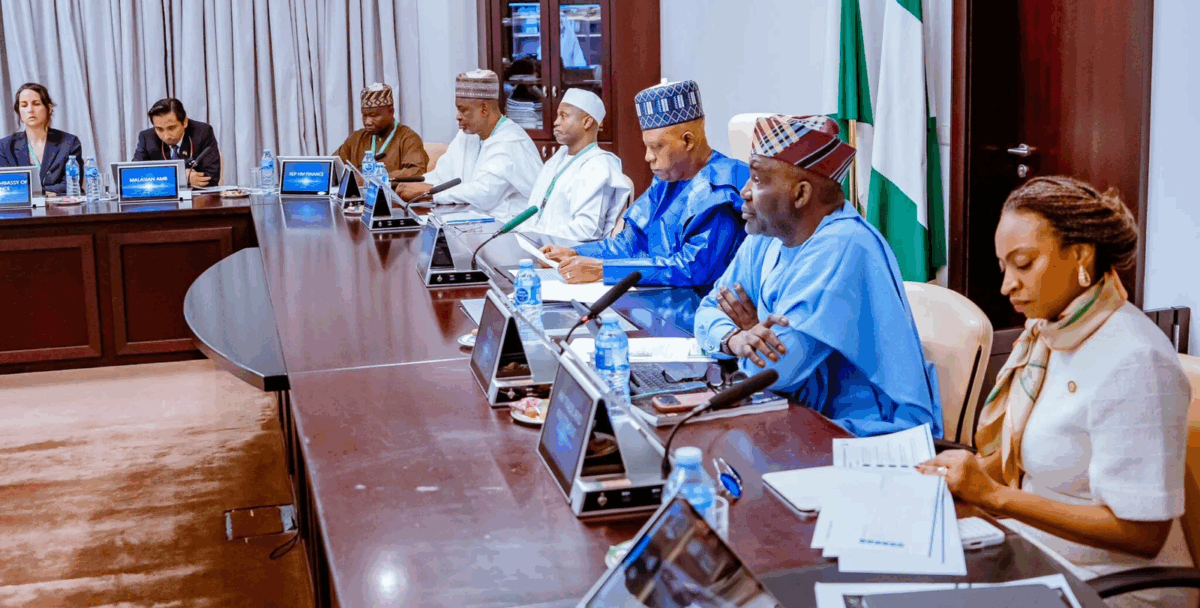
On February 5, 2026, President Bola Ahmed Tinubu officially launched the National Halal Economy Strategy, a bold roadmap designed to transform Nigeria into a leading hub for ethical and high-quality products. Represented by Vice President Kashim Shettima, the President emphasized that this initiative is not merely about religion—it is about economic infrastructure, standards, and global trust.
The strategy is projected to add $1.5 billion to Nigeria’s GDP by 2027 and unlock up to $12 billion in domestic value over the next decade.
1. The Magnitude of the Halal Opportunity
Nigeria is already the 8th largest domestic halal economy globally and the second largest in Africa. By aligning with global halal standards, Nigeria aims to transition from a major consumer to a dominant exporter.
2. Why “Halal” Means “Quality”
Policymakers are re-positioning Halal as a premium quality assurance framework rather than a religious label. For MSMEs, certification serves as a “Golden Passport” to international markets because it guarantees:
-
Traceability: Full documentation from raw material to final packaging.
-
Ethics: Humane treatment of animals and ethical labor practices.
-
Hygiene: Strict compliance with safety standards often exceeding local regulations (e.g., HACCP/ISO 22000).
3. Four High-Growth Sectors for Nigerian MSMEs
The “Go Local” philosophy encourages MSMEs to identify local raw materials and process them into export-ready, halal-certified goods.
I. Agro-Allied & Food Processing
-
Target: Converting raw livestock, poultry, and grains into packaged foods.
-
Gap: Nigeria produces 50% of the world’s cassava but imports derivatives. Local SMEs can now process cassava into halal-certified starch and sweeteners for the global pharmaceutical and food industries.
II. Cosmetics & Personal Care
-
Target: Alcohol-free and pork-derivative-free formulations.
-
Advantage: Leveraging Nigeria’s abundance of shea butter and essential oils to create “Clean Beauty” products for Middle Eastern and European markets.
III. Logistics & Cold Chain
-
Target: Halal-compliant storage and transportation.
-
Need: Specialized warehouses that prevent cross-contamination between halal and non-halal goods.
IV. Tourism & Hospitality
-
Target: “Halal-friendly” destinations and food services.
-
Reach: Accessing the D-8 economic bloc (1.16 billion people) through Nigeria’s strategic membership.
4. Roadmap for MSME Entry
To profit from this $7.7 trillion shift, small businesses are encouraged to follow a structured transition:
-
Standardize: Align production processes with SMIIC (Standards and Metrology Institute for Islamic Countries) standards.
-
Certify: Partner with recognized bodies like the Nigeria Halal Certification Body.
-
Finance: Access ethical funding through Sukuk bonds and interest-free loans from the Islamic Development Bank.
-
Export: Leverage the AfCFTA to move goods across Africa and the Middle East.
“The halal economy is a global market framework rooted in standards, safety, and consumer trust, not geography or belief.” — Vice President Kashim Shettima, February 2026.
