

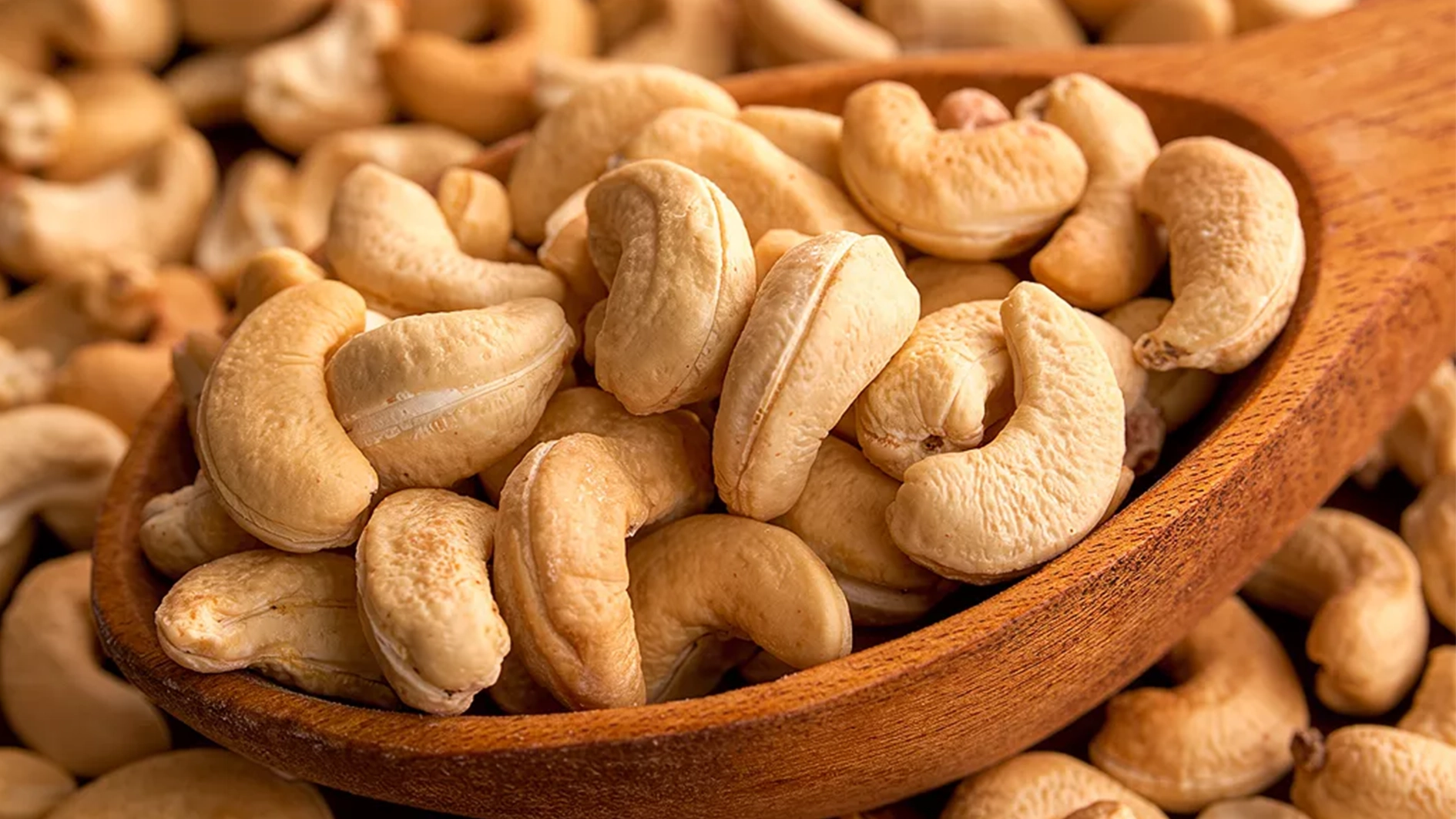
Nigeria is sitting on a “non-oil goldmine” that could generate $10 billion in annual revenue and create millions of jobs. According to Dr. Ojo Joseph Ajanaku, President of the National Cashew Association of Nigeria (NCAN), achieving this requires a radical shift from exporting raw nuts to aggressive local processing and industrial value addition.
Speaking in Abuja ahead of the 4th National Cashew Day (January 22–24, 2026), Dr. Ajanaku emphasized that while Nigeria has the land and the talent, it is currently losing billions by shipping raw materials to Asia, where the bulk of the profit is captured.
The Gap: Land vs. Policy
Despite having 92 million hectares of arable land, Nigeria currently lags behind its neighbor, Côte d’Ivoire.
-
The Ivorian Edge: Côte d’Ivoire, with less land mass, has overtaken Nigeria through coordinated policies and a deliberate focus on processing, exporting over 344,000 tons of cashew kernels in 2024 alone.
-
The Nigerian Reality: Nigeria produces roughly 400,000 to 500,000 metric tonnes annually, valued at about $700 million. However, 95% is exported raw, leaving domestic factories empty and rural youths unemployed.
Unlocking the “Invisible” $7 Billion
The jump from $3 billion to $10 billion lies in by-products. Currently, Nigerian processors often pay to dispose of shells as waste. In contrast, global markets view them as raw materials for high-value industrial chemicals.
-
Cashew Nut Shell Liquid (CNSL): A versatile oil used in industrial fuels, brake linings, and specialized coatings.
-
Cashew Shell Cake: Used as a high-calorie fuel or agro-input. In Vietnam, this “waste” sells for approximately $0.95 per kg, while in Nigeria, it is discarded.
-
Kernel Value Jump: While a ton of raw nuts sells for roughly $1,200–$1,500, processed kernels can command as much as $10,000–$12,000 per ton.
Strategic Priorities for 2026
The NCAN 2026 conference, themed “Unlocking the Full Potential of Nigeria’s Cashew Industry through Investment, Innovation and Global Trade,” will focus on several critical pillars:
-
The Kogi Paradox: Kogi State, Nigeria’s leading cashew producer, lacks a single major processing factory. NCAN is calling for targeted incentives to build infrastructure in high-production rural zones.
-
Vietnam-Nigeria Pact: A landmark MoU has been signed to facilitate technology transfer from Vietnam (the world’s leading processor) to Nigeria.
-
National Cashew Policy: Stakeholders are pushing for a Nigerian-owned policy framework to discourage raw nut exports and incentivize local value addition.
The Cashew Economic Projection (5-Year Goal)
| Metric | Current Status (Estimated) | 2030 Target (Aggressive Growth) |
| Annual Production | ~500,000 MT | 2,000,000 MT |
| Raw Export Revenue | ~$700 Million | $3.0 Billion |
| Total Value (Processed + By-products) | Negligible | $10.0 Billion |
| Local Processing Rate | < 5% | > 50% |
| Employment Impact | Seasonal/Low-skilled | Millions of industrial jobs |
