

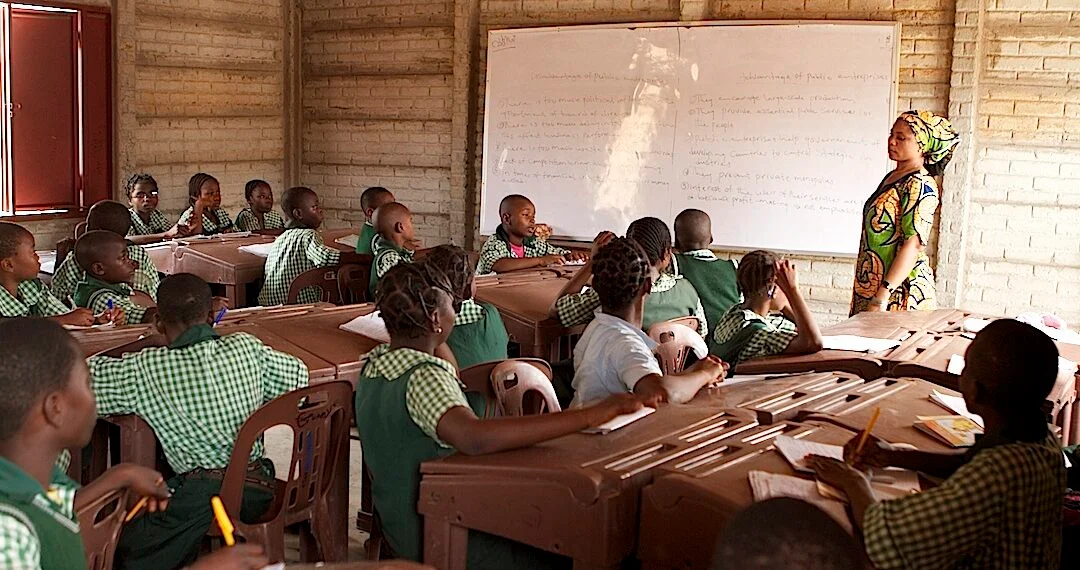
In a significant departure from theory-heavy academics, the Anambra State Government has officially integrated 15 entrepreneurial subjects into the Junior Secondary School (JSS) curriculum. This “Skills-First” initiative, launched at Igwebuike Grammar School in Awka, is designed to transform the state’s secondary schools into incubators for self-reliance and industrial value.
1. The “Skills Palette”: What Students Are Learning
The new curriculum moves beyond traditional crafts to include high-demand technical and digital vocations. The 15 subjects are categorized to meet modern infrastructure and service needs:
-
Renewable Energy & Tech: Solar Installation, CCTV/Intercom Installation, and GSM Repairs.
-
Building & Infrastructure: Plumbing, Tiling, and POP Installation.
-
Digital Economy: Digital Literacy, Information Technology, and Robotics.
-
Creative & Event Industries: Garment-Making, Interior Design, Event Management, Hairstyling, and Make-up.
-
Agro-Industrial: Agriculture and Processing, and Bakery.
2. From Job Seekers to Value Creators
Professor Nkechi Ikediugwu, Chairperson of the Post Primary Schools Service Commission (PPSSC), emphasized that this is a repositioning of the state’s human capital. The objective is to ensure that every student exiting the junior secondary level possesses at least one “monetizable skill.”
“The goal is to prepare learners not only to seek jobs but to create value and generate employment,” Professor Ikediugwu stated. This move aligns with Governor Chukwuma Soludo’s vision of turning Anambra into a “digital and industrial tribe.”
3. The “Entrepreneurship Club” Model
To support the new curriculum, the state is encouraging the formation of Entrepreneurship Clubs in every school. According to Cyril Nwuche of Nnamdi Azikiwe University, these clubs will serve as the “practical labs” where students can transition from classroom learning to small-scale business execution.
Strategic Implications
By introducing these subjects at the JSS level, Anambra is addressing two critical challenges:
-
Youth Unemployment: Equipping students with skills that have immediate market demand (e.g., Solar and GSM repairs).
-
Economic Resilience: Reducing the “certificate-only” burden on the state’s economy by fostering a culture of innovation and fabrication.
The Bottom Line Anambra is betting on the fact that the future of the Nigerian economy belongs to those who can do, not just those who know. By teaching a JSS 1 student how to install a solar panel or code a basic robot, the state is effectively future-proofing its economy against the volatility of the traditional job market.
