

This article reports on Nigerian President Tinubu’s request for increased French security support to combat rising violence in Northern Nigeria, alongside context regarding US concerns about the
In a significant diplomatic move, Nigerian President Bola Tinubu has formally requested enhanced support from France to address the severe escalation of violence engulfing Northern Nigeria.2 This appeal comes at a pivotal moment, mere weeks after the United States publicly voiced strong concerns—and suggested possible retaliatory measures—regarding the Nigerian government’s efforts to safeguard its Christian population.3
The region has been plagued by a fresh wave of large-scale insecurity, characterized by recent mass kidnappings from schools and churches, underscoring the volatile nature of the security landscape.4
Paris Confirms Commitment, Demands Global Action
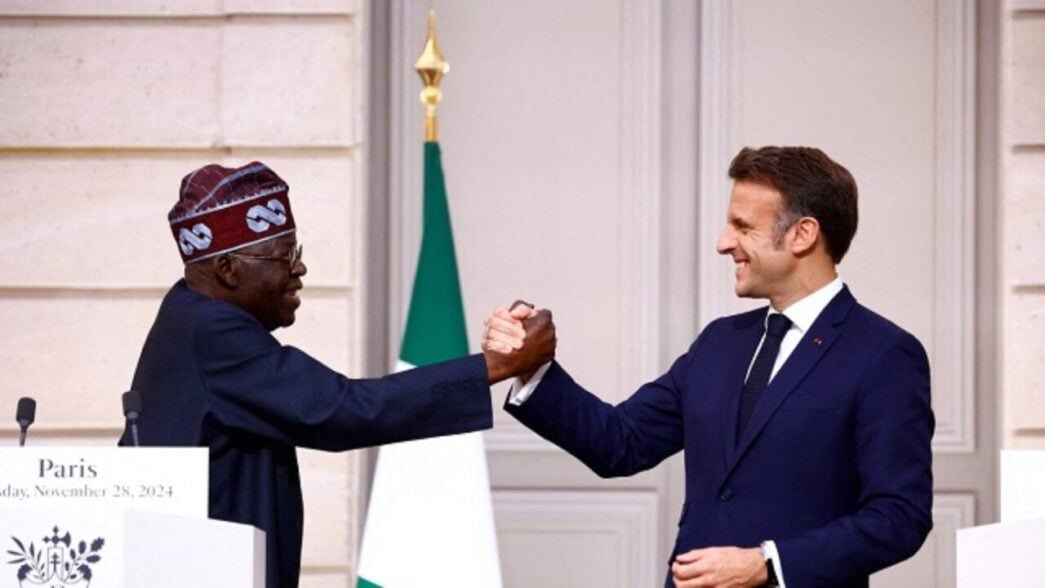
French President Emmanuel Macron confirmed the request following a phone conversation with President Tinubu.5 Taking to social media, Macron reaffirmed France’s commitment to standing in solidarity with Nigeria as it contends with multifaceted security threats, particularly the persistent terrorist threat in the North.6
“At his request, we will strengthen our partnership with the authorities and our support for the affected populations,” Macron stated.7
The French President also issued a global appeal, warning that in the face of violent extremist groups, “no one can remain a spectator,” urging other international partners to escalate their engagement with Nigeria’s crisis.8
The Evolving Nature of French Assistance
While the specific nature of the increased French assistance remains undisclosed, it signals a new phase in France’s security engagement in West Africa. Since 2022, Paris has been in a major strategic drawdown, having ended large-scale counterterrorism operations and closed bases across the Sahel (Mali, Burkina Faso, Niger) amid rising anti-French sentiment.
France now favors a leaner, more targeted approach focusing on:
-
Training and Capacity Building
-
Intelligence Sharing
-
Targeted Support based on specific host-country needs.
The Geopolitical Context: US Pressures and Local Denial
This renewed diplomatic outreach to France occurs against a backdrop of increasing pressure from the US government. Last month, Washington stated it was considering various actions—ranging from sanctions to expanded Pentagon counterterrorism engagement—in a push to compel Nigeria to improve the protection of its Christian communities.9
While President Donald Trump went further, suggesting possible military action, Abuja has consistently pushed back, arguing that the security crisis is complex, involves armed groups targeting people of all faiths, and cannot be oversimplified as a purely religious conflict.10 The renewed partnership with France is seen as part of Nigeria’s effort to secure critical international backing to stabilize the troubled Northern regions.
