

Nigeria is preparing to take the spotlight in 2026 as it welcomes the world’s most powerful economic players to Abuja for the World Investment Summit (WIS) — an event expected to unlock up to $5 trillion in foreign direct investment and redefine Africa’s investment landscape.
Set for April 27–30, 2026, the four-day summit, themed “Unlocking Capital, Accelerating Development, Driving Prosperity,” is poised to become one of the largest gatherings of investors, policymakers, and innovators ever hosted on African soil. The event will convene over 80 Heads of State and Government, 96 Ministers, 800 global speakers, and more than 8,000 delegates from across continents.
Nigeria’s Big Moment
For Nigeria, hosting WIS 2026 signals more than prestige — it’s a strategic move to reposition the nation as a prime destination for global capital and a gateway for Africa’s integration into international investment networks.
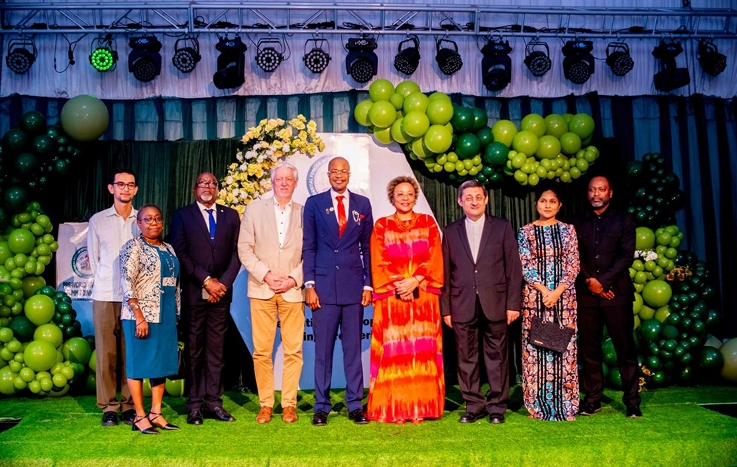
At a Pre-Summit Dinner held at the Wells Carlton Hotel in Abuja, the Presidential Foreign Intervention Promotion Council (PFIPC) — the body charged with coordinating Nigeria’s international investment agenda — unveiled the official summit logo and roadmap.
The PFIPC’s Director-General, Prince Adeniyi Adeyemi Matthew, described the milestone as a turning point in Nigeria’s economic trajectory.
“This isn’t just another global conference,” he said. “It’s the dawn of a new era — one where Nigeria becomes a magnet for growth, innovation, and prosperity across Africa.”
He emphasized that the Summit will serve as both a catalyst for transformation and a platform for global partnerships, giving investors direct access to Nigeria’s diverse economic opportunities.
Why Nigeria?
With a youthful population, vast natural resources, and strategic access to the $3 trillion African Continental Free Trade Area (AfCFTA) market, Nigeria represents a frontier of untapped potential.
The PFIPC noted that sectors such as energy, agriculture, manufacturing, technology, and the creative economy are drawing unprecedented investor interest. Yet, the Council was quick to add that growth must begin from within.
“Attracting foreign capital is vital, but strengthening local enterprises and SMEs is equally important,” the Council noted. “A thriving domestic business environment makes Nigeria more resilient and more attractive to international investors.”
Building a United Front
Prince Adeyemi called on ministries, departments, and agencies to close ranks and work collectively to ensure Nigeria maximizes this opportunity.
“We must complement one another — not compete,” he urged. “Our shared vision is national growth. United we stand; divided we fall, and this is not the time to fall.”
He also acknowledged the vital role of diplomatic partners and development agencies, describing their continued engagement as “the lifeblood of international cooperation.”
Towards the Abuja Investment Declaration
The Summit’s grand finale will see the signing of the Abuja Investment Declaration — a continental charter designed to promote sustainable investment, policy alignment, and inclusive growth across Africa.
By hosting WIS 2026, Nigeria is not just opening its doors to the world — it is positioning itself as the heartbeat of Africa’s next economic renaissance.
As Prince Adeyemi put it, this is the moment for Nigeria to show that “the future of investment isn’t being built in boardrooms overseas — it’s being shaped right here in Africa.”
