

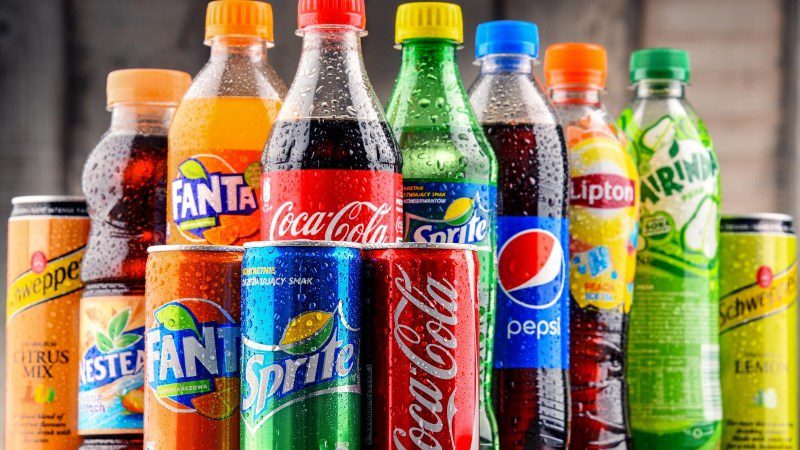
Nigeria’s private-sector advocacy group, the Centre for the Promotion of Private Enterprise (CPPE), has warned that the government’s plan to raise taxes on non-alcoholic drinks could place additional pressure on an already struggling economy.
In a statement, CPPE’s Director, Dr. Muda Yusuf, explained that the proposed tariff comes at a time when manufacturers, small enterprises, distributors, and retailers are contending with some of the toughest economic conditions in recent years. Businesses, he said, are being squeezed by persistent inflation, rising operational costs, volatile exchange rates, high energy expenses and weakening consumer demand.
Yusuf noted that the manufacturing sector—one of the country’s biggest job providers—is currently under substantial strain. He cautioned that adding more taxes to beverage producers could worsen the situation. Soft drink prices, he added, have already climbed by 200% to 300% due to multiple cost pressures and earlier fiscal adjustments, leaving many smaller producers barely staying afloat.
According to him, implementing a higher excise rate now could force companies to cut production, reduce their workforce, or close down altogether. He stressed that Nigeria cannot afford additional shutdowns or layoffs at a time when economic recovery remains slow.
CPPE also pointed out the broader implications for the general public. Yusuf said higher levies will inevitably translate into more expensive beverages for consumers, many of whom are already battling skyrocketing costs of food, transportation, and other essential items. Such increases, he warned, could add further fuel to inflation.
He emphasised that the beverage industry supports thousands of workers across manufacturing, distribution, transportation and informal trading. Any downturn in the sector, he added, could push unemployment even higher.
Commenting on government revenue projections, Yusuf argued that the tax increase may not yield the expected financial gains. Instead, reduced output and weaker sales could result in lower tax revenue, defeating the purpose of the policy.
He also raised concerns about the policy development process. Although excise duties fall under the Ministry of Finance, he said the current proposal appears to be driven mostly by the Senate Committee on Finance and the Ministry of Health, with limited involvement from crucial fiscal bodies and industry stakeholders. This, he warned, could create inconsistencies and weaken investor trust.
CPPE Calls for Broader Health Strategies
While acknowledging the need to address rising sugar consumption, CPPE stated that focusing tax measures solely on soft drinks is an unfair approach. Yusuf noted that Nigerians consume sugar through many products—such as bread, pastries, milk-based beverages, and carbohydrate staples—suggesting that a narrow tax focus does not address the wider issue.
He recommended a more holistic public health strategy, including improved food labelling, nationwide nutrition education, lifestyle awareness initiatives, and voluntary sugar-reduction programmes within the industry. CPPE argued that these actions are more effective for long-term behavioural change than punitive taxes.
After consultations with experts and industry representatives, CPPE urged the government to withdraw the proposed excise increase. The organisation further recommended that excise rate decisions remain within the Ministry of Finance for better coherence and policy flexibility. It also encouraged stronger collaboration between government and beverage companies to support low-sugar and zero-sugar alternatives, responsible advertising, and consumer awareness campaigns.
Yusuf stressed that Nigeria’s manufacturing sector requires steady, supportive policies to remain competitive. He called on the Senate Committee on Finance, the Ministry of Finance, and the presidency to re-evaluate the proposal and ensure alignment with broader fiscal objectives.
Manufacturers Voice Similar Opposition
The Manufacturers Association of Nigeria (MAN) has also rejected the planned tax hike, warning that it would result in significant job losses. Representatives presented their position during a public hearing held by the Senate Committees on Finance and Customs.
MAN additionally opposed the federal government’s decision to prohibit alcoholic beverages packaged in sachets and PET bottles, arguing that the move—though health-driven—would lead to severe job cuts across the sector.
