

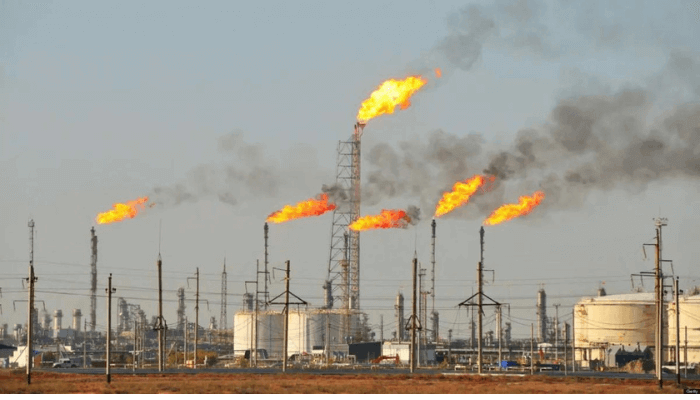
For decades, Nigeria’s natural gas reserves—estimated at over 210 trillion cubic feet—were treated as a geological footnote to its oil industry. Gas was either flared as a nuisance or supplied at “sacrifice” prices that sat far below the cost of production. However, at the recent Pitching Nigerian Gas to Global Capital conference in Lagos, a new consensus emerged: the “Decade of Gas” is no longer a slogan; it is becoming a bankable reality.
The Price of “National Sacrifice” Gbite Falade, CEO of Aradel Holdings, provided a sobering look at the sector’s history. Before the Petroleum Industry Act (PIA) of 2021, gas suppliers were often paid as little as ₦10 per thousand standard cubic feet. “That was not a business. That was national sacrifice,” Falade noted. This subsidized pricing culture effectively hollowed out the sector’s ability to attract the massive capital required for infrastructure.
The Turning Point: Regulatory Maturity The shift in investor sentiment is being driven by three critical pillars:
-
The PIA Framework: The Act has replaced ambiguity with transparency, providing clear pricing structures and midstream incentives that investors can finally model.
-
Infrastructure Expansion: While the Escravos–Lagos Pipeline System remains a bottleneck, new projects and the Nigerian Content Intervention Fund (providing loans up to $10 million) are beginning to de-risk the midstream.
-
The New Guard at NUPRC: The recent appointment of Oritsemeyiwa Eyesan as the Head of the Nigerian Upstream Petroleum Regulatory Commission (NUPRC) has been hailed as a “business-enabling” move. Eyesan has pledged to accelerate approvals and facilitate new licensing rounds to unlock the 55 trillion cubic feet of uncommitted gas currently sitting idle.
The Production Reality The reforms are already translating into molecules. Aradel affiliates now supply over 70 million standard cubic feet (scf) of gas per day, while Renaissance Africa is pushing toward 2 billion scf daily. Jennis Anyanwu, Deputy Director at NUPRC, confirmed that the commission is currently monitoring 19 active gas development projects with a combined capacity of 3.55 billion scf per day.
The Challenges: Power and Payments Despite the optimism, the “Gas-to-Power” linkage remains the sector’s Achilles’ heel. Subsidized electricity tariffs often mean power generators cannot meet their payment obligations to gas suppliers. For gas to truly drive industrial growth, the liquidity crisis in the power sector must be resolved alongside upstream reforms.
The Bottom Line Nigeria’s challenge has never been its geology; it has been its credibility. As regulatory maturity fosters investor comfort, the country is moving toward a future where gas is a central driver of economic growth rather than a flared by-product. Capital, as the experts noted, “responds to comfort”—and for the first time in decades, the Nigerian gas sector is starting to look comfortable.
