




In a dramatic reversal of historical trade patterns, Nigeria has transitioned into a dominant net exporter of refined petroleum products to neighboring West African nations.
According to the National Bureau of Statistics (NBS) Foreign Trade Statistics Report for the first quarter of 2026, published by The Punch, Togo alone imported ₦278.36 billion worth of gas oil (diesel) and ₦273.18 billion worth of kerosene-type jet fuel from Nigeria in Q1 2026.
Additionally, Nigeria exported ₦220.14 billion in crude petroleum oil and ₦89.83 billion in partially refined oil to Togo during the same period. This marks a sharp contrast to 2023 and 2024, when Nigeria lacked sufficient domestic refining capacity and imported an estimated $117 million and $72–77 million worth of petroleum oils from Togo, respectively.
The Scaling of the Dangote Refinery
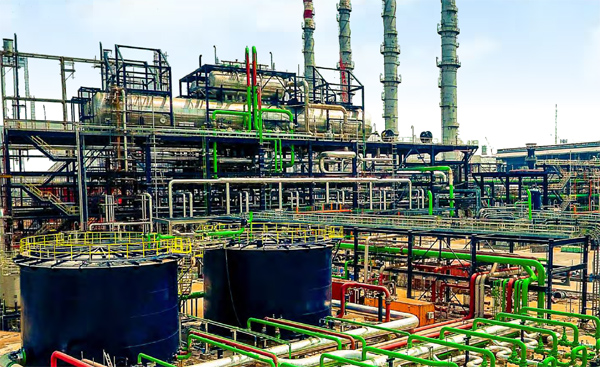
The macroeconomic shift follows the commercial ramp-up of the Dangote Refinery in Lekki, Lagos—the largest single-train refinery in the world.
In March 2026, Nigeria officially achieved net-exporter status for premium motor spirit (PMS/petrol), exporting approximately 44,000 barrels per day (bpd) against its national import requirements, leaving a net surplus of 3,000 bpd. This expansion included shipping a 317,000-barrel cargo of petrol to Mozambique, representing the company’s first major breakthrough into the East African energy market.
The Lomé Routing Controversy
Despite these production milestones, public controversy has erupted over West African fuel pricing and logistics.
During an industry webinar organized by the Major Energy Marketers Association of Nigeria (MEMAN), Matthew Tracey-Cook of S&P Global Commodity Insights reported that domestic fuel marketers are progressively importing Dangote-refined products via Lomé, Togo, rather than lifting directly from Lagos. Tracey-Cook alleged that between March and May 2026, “well over 70 to 80 per cent” of waterborne fuel imported into Nigerian coastal terminals originated from Dangote before being routed through offshore hubs.
This revelation triggered intense public backlash online, with consumers demanding to know why Nigerian-produced fuel appears cheaper to purchase through international intermediaries than at its actual base of operations.
In response to the growing criticism, the management of the Dangote Refinery issued a strongly worded statement titled “Response to Unsubstantiated Claims and Tissue of Lies.” The company flatly denied the re-importation narrative, labeling the public claims as an “ill-motivated web of falsehoods” and pushing back against any allegations of artificial domestic pricing.
Regulatory Overheads and Port Inefficiencies
The logistics debate aligns with past warnings from the refinery’s chairman, Aliko Dangote. Speaking at a previous Global Commodity Insights Conference, Dangote admitted that lifting refined products directly from the Lekki-based plant was frequently more expensive for local oil marketers than sourcing from offshore storage depots in neighboring countries.
Dangote attributed this structural anomaly to severe domestic bottlenecks:
-
Terminal Fees: High port-related charges and regulatory tariffs at the domestic loading points.
-
Discharge Arbitrage: Multiple domestic terminal handling costs that are completely avoided when utilizing international waters.
-
Offshore Efficiency: The streamlined operational environment of the Lomé Floating Storage Terminal, which allows large vessels to transfer cargo cheaply without docking at complex port setups.