





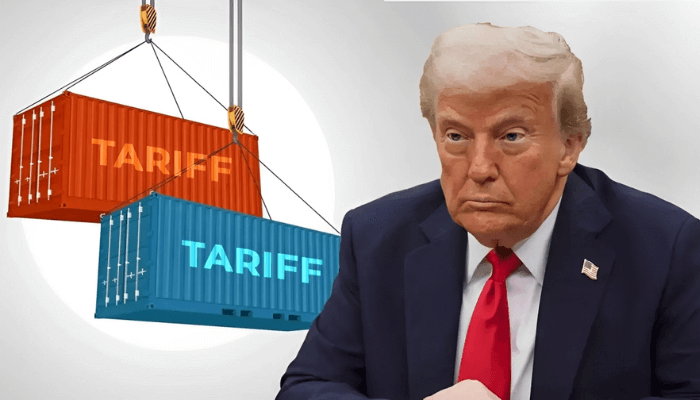
Data from the National Bureau of Statistics (NBS) has revealed a dramatic shift in Nigeria’s trade relationship with the United States. In the first nine months of 2025, Nigeria’s trade balance with the U.S. swung from a surplus of N1.57tn in 2024 to a staggering deficit of N3.15tn.
This reversal is largely attributed to a sharp decline in Nigerian exports and a concurrent doubling of imports from America, fueled by a new “reciprocal” tariff regime introduced by the U.S. administration.
The Numbers: A Sharp Contraction in Exports
The trade data highlights a worrying downward trend for Nigerian goods entering the American market:
-
Export Slump: Nigeria exported N3.65tn worth of goods to the U.S. between Q1 and Q3 2025, a 20.5% drop from the N4.59tn recorded in the same period last year.
-
Import Surge: Conversely, imports from the U.S. skyrocketed by 125.5%, rising from N3.01tn to N6.80tn.
-
The Q3 Collapse: The situation worsened significantly in the third quarter of 2025, where exports plunged by 45.3% compared to the previous quarter, while imports surged by nearly 50%.
The Impact of the “Reciprocal” Tariff
The decline coincided with an executive order signed by U.S. President Donald Trump, which raised the tariff rate on Nigerian goods from 14% to 15% (effective August 7, 2025).
While crude oil remains largely exempt, the higher duties have dealt a heavy blow to the non-oil sector. Previously dominant exports like cocoa beans and urea saw their volumes shrink, while the overall export basket narrowed to minor agricultural items. This policy shift has created significant uncertainty for American importers, leading to dampened demand for Nigerian products.
Government Response: Resilience Amid Shocks
Despite the alarming figures, the Federal Government remains publicly optimistic. President Bola Tinubu has stated that the administration has “no fear” of the new trade policies, pointing toward growing domestic non-oil revenues as a buffer.
Jumoke Oduwole, the Minister of Industry, Trade, and Investment, emphasized that Nigeria would avoid retaliatory measures:
-
Strategic Diversification: Nigeria is focusing on the African Continental Free Trade Area (AfCFTA) to reduce reliance on Western markets.
-
SME Support: The government is working to improve the quality and traceability of Nigerian exports to meet global standards and regain competitiveness.
-
Growth Potential: Oduwole noted that despite the U.S. challenges, total non-oil exports grew by 24% year-on-year in the first quarter of 2025, suggesting that a shift toward alternative trading partners is already underway


