





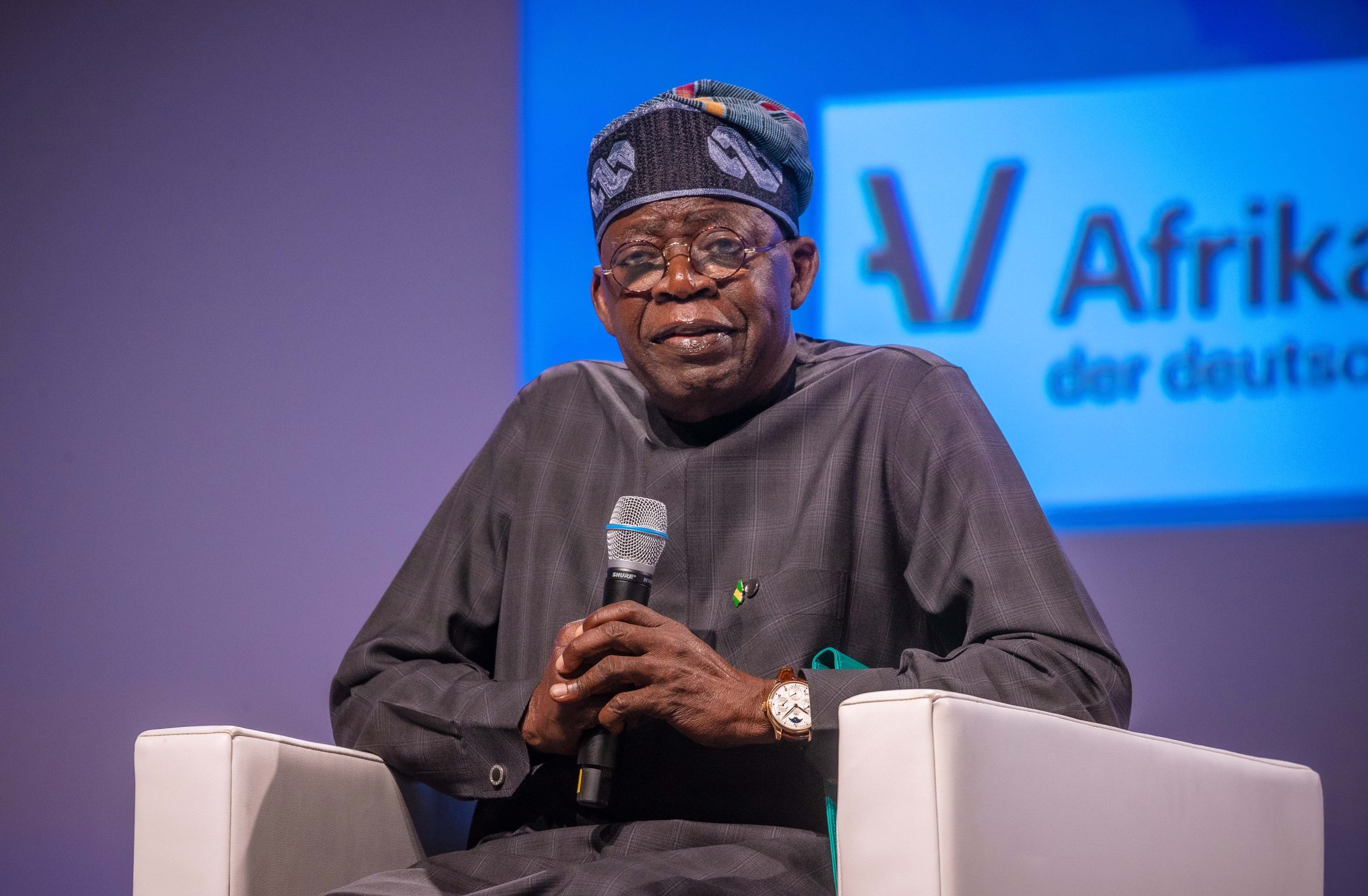
President Bola Tinubu is set to convene a critical meeting with heads of Nigeria’s electricity generation companies (GenCos) in an urgent bid to resolve a crippling debt crisis that threatens the country’s already fragile power sector.
The discussion, announced by Minister of Power Adebayo Adelabu through his media adviser Bolaji Tunji, is aimed at addressing the over N4 trillion owed to GenCos by the Federal Government. Stakeholders warn that if left unresolved, the debt burden could lead to a collapse of power generation in Nigeria.
Adelabu stressed that the Federal Government recognizes the dire financial strain on GenCos and is prepared to act swiftly. According to him, a substantial portion of the outstanding sum will be cleared immediately, while the balance will be managed through structured repayments such as promissory notes, to be settled within six months.
The Minister acknowledged that past government failures have contributed to inefficiencies in the sector and assured that the Tinubu administration is determined to resolve legacy payment shortfalls and strengthen energy production.
Major Sector Reforms in Focus
Adelabu emphasized the need for sweeping reforms to remove long-standing barriers and rebuild the power value chain. A key focus is on transitioning to cost-reflective tariffs, which he said are essential for the industry’s sustainability.
However, he gave assurances that the poorest and most vulnerable Nigerians will continue to receive subsidies, even as reforms are implemented to encourage market-driven electricity pricing.
Industry Leaders Sound Alarm
Leading figures in Nigeria’s energy sector are warning that the industry is nearing a tipping point. Col. Sani Bello (Rtd.), a major GenCo investor, described the situation as approaching collapse. Kola Adesina, Chairman of Egbin Power Plc, called it a “national emergency,” highlighting the immediate threat to energy security.
Joy Ogaji, CEO of the Association of Power Generation Companies (APGC), outlined a grim picture—persistent non-payments, unreliable gas supply, and the naira’s devaluation are all placing immense pressure on power producers.
Collaboration and Consumer Awareness Key to Reform
Adelabu urged generation companies to partner with the government in educating Nigerians on power usage, billing processes, and the real costs behind electricity generation. He noted that shared understanding and cooperation between the government, industry, and the public are essential to lasting reform.
The outcome of the President’s meeting with GenCos is expected to chart a new course for electricity production in Nigeria and may signal a turning point in the nation’s pursuit of energy stability.
Background
In March 2025, Jennifer Adighije, Managing Director of the Niger Delta Power Holding Company (NDPHC), made a public appeal for presidential support to fund ongoing infrastructure projects and clear GenCo arrears. She highlighted the sector’s liquidity crunch, describing it as one of the major bottlenecks slowing progress in power delivery nationwide.


