






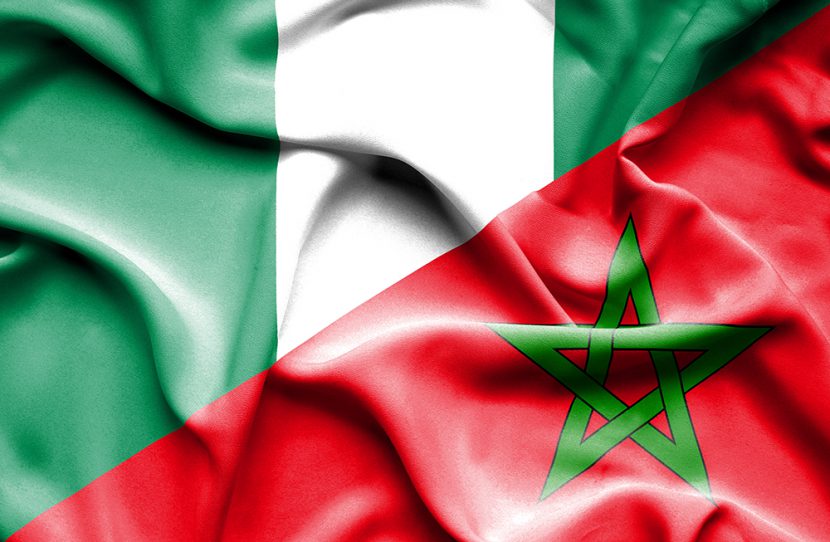
As the second edition of the Nigeria–Morocco Business Week kicks off on February 9, 2026, both nations are making a strategic push to bridge the gap between diplomatic warmth and commercial depth. Spanning Lagos, Kano, and Abuja, the four-day forum aims to unlock an estimated $7 billion to $10 billion in untapped bilateral trade potential.
This summit marks a transition from “dialogue to execution,” focusing on creating tangible regional value chains under the African Continental Free Trade Area (AfCFTA) rules.
1. Strategic Synergies: Fertilizers and Energy
The economic relationship is built on a “complementarity of needs.”
-
Morocco’s Strength: As a global leader in phosphates, Morocco is essential to Nigeria’s Agricultural Transformation Agenda. The Moroccan fertilizer giant OCP Group is already a major supplier to Nigeria, helping reduce dependence on expensive, long-distance imports.
-
Nigeria’s Scale: Nigeria offers Morocco access to West Africa’s largest consumer market and vast energy resources. The $25 billion Nigeria–Morocco Gas Pipeline (NMGP) remains the cornerstone of this long-term partnership, designed to traverse 13 African countries to reach Europe.
2. The Three-City Execution Roadmap
The 2026 Business Week is structured to align with Nigeria’s diverse economic hubs:
-
Lagos (The Commercial Hub): Focused on high-level finance, maritime logistics, and digital trade. A key proposal is the establishment of a direct sea lane between Lagos and Moroccan ports to slash transit times.
-
Kano (The Industrial Heart): Dedicated to Agriculture, Agro-industry, and Livestock. Morocco is looking to localize dairy processing and farming technologies in the North.
-
Abuja (The Diplomatic Engine): Concluding with closed-door sessions between government officials and private sector leaders to sign Strategic MoUs and address non-tariff barriers.
3. Priority Sectors for 2026
The forum has identified six high-growth areas where immediate joint ventures are being targeted:
-
Agriculture & Fertilizers: Joint production facilities to ensure food security.
-
Renewable Energy: Leveraging Morocco’s Noor Solar expertise for Nigerian industrial hubs.
-
Digital Economy: Fintech partnerships and cross-border payment infrastructure.
-
Manufacturing: Setting up Moroccan agri-processing plants in Nigeria.
-
Mines & Solid Minerals: Strategic partnerships in Lithium and Iron Ore.
-
Banking & Finance: Expansion of cross-border banking to facilitate trade finance.
Bilateral Trade Snapshot (2024 vs. 2026 Forecast)
| Metric | 2024 Actuals (Estimated) | 2026 Strategic Target |
| Total Bilateral Trade | ~$350 Million | $1 Billion+ (Short-term) |
| Top Nigerian Export | Refined Petroleum / Gas | Energy & Raw Materials |
| Top Moroccan Export | Mixed Mineral Fertilizers | Fertilizers & Solar Tech |
| Logistics Lead Time | 20-30 Days (via Europe) | 10-14 Days (Direct Maritime) |
4. Addressing the “Logistics Gap”
The primary bottleneck to the $10 billion goal remains the cost of moving goods. Currently, many goods between West and North Africa are shipped via European ports. A central theme of the 2026 forum is the “Atlantic Maritime Corridor,” a plan to launch direct shipping routes that would cut logistics costs by an estimated 30%.


