






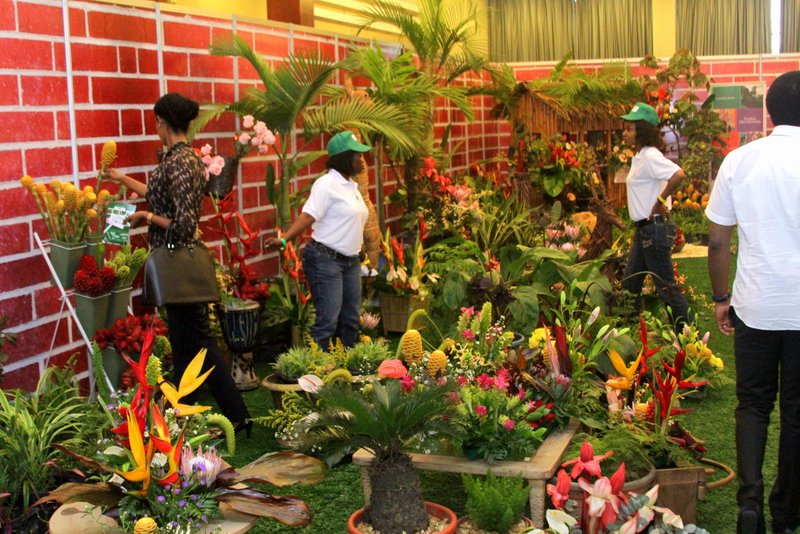
Despite the dual pressures of inflation and logistical bottlenecks, Nigeria’s floriculture industry is undergoing a fascinating transformation. While traditional roadside florists struggle with the rising cost of inputs, a new wave of “plant mommies and daddies” and wellness-conscious urbanites are fueling a burgeoning market for indoor greenery and ornamental aesthetics.
The Two Faces of the Market
The industry currently operates across two distinct economic realities:
1. The Roadside Struggle (Perfect Pottery): For veterans like Godwin Ugwu on the Lagos-Ibadan Expressway, the business has become a battle against inflation.
-
Input Costs: The price of a pot of loamy soil has jumped from ₦30,000 during the previous administration to ₦75,000–₦80,000 today.
-
Shrinking Middle Class: Many private customers have pivoted their spending toward food and essentials, leaving florists to rely on infrequent corporate or government contracts.
2. The Island High-End (Victoria Island Gardeners): In contrast, gardeners like Emmanuel Usoro on Victoria Island find stability through expatriates and the “stable-income” class.
-
Premium Pricing: Individual potted plants can sell for ₦60,000 to ₦175,000 without significant haggling.
-
Hard Work: Maintenance is grueling, requiring watering 3-4 times daily under the Lagos sun and constant fumigation to keep plants showroom-ready.
The Rise of “Plant Mommies & Daddies”
A lifestyle shift toward wellness and “green aesthetics” is creating a more sustainable retail segment.
-
Affordable Entry Points: Plants like Snake plants, Elephant’s tongue, and Ladies’ plants remain accessible, ranging from ₦8,000 to ₦20,000.
-
Community Events: 2025 saw a surge in gardening culture, with events like the Lagos Gardening Fair, the Sip and Swap, and the Open Day for Gardeners (partnered with Ecobank) providing platforms for networking and education.
-
Public Spaces: The Lagos State Parks and Gardens Agency now monitors 373 green areas, including Infinity Park and Peace Park, fostering a broader appreciation for horticulture.
The Economics of Growth: Pro-Tips from Experts
Plant consultants like Ebuka Okonkwo (Plantboy) and the founders of Flora Vista (Amanda and Stefanie) highlight the most profitable paths in the business:
Critical Challenges
-
Logistics: High transportation costs and the extreme fragility of plants make delivery a high-risk venture.
-
Forex Volatility: Imported exotic varieties are expensive due to customs charges and a weak Naira.
-
Climate Acclimatization: Some popular exotic plants struggle in Nigeria’s tropical heat, requiring smart growing techniques (e.g., patio growing for roses).
-
Education Gap: A major barrier to growth is the lack of plant care knowledge among new buyers, which often leads to “plant death” and customer dissatisfaction.


