





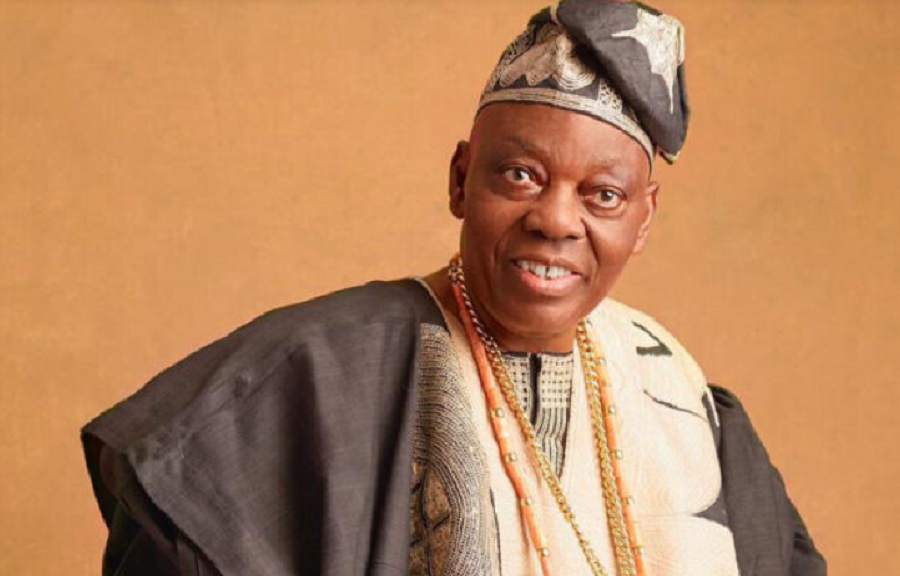
In the history of Nigerian commerce, few names command as much respect as Chief Razaq Okoya. A man who transitioned from a modest trader to a manufacturing titan, Okoya’s journey with the Eleganza Group serves as a definitive blueprint for building a multi-generational indigenous empire. At a time when many focused on the quick returns of importation, Okoya committed to the demanding path of local production, forever altering Nigeria’s industrial landscape.
From Trading to Transformation
Born into a modest Lagosian family, Okoya’s early years were spent navigating the city’s bustling markets. While he excelled as a trader of imported goods, he quickly recognized a structural flaw in the national economy: an over-reliance on foreign products.
His vision was clear: Nigeria must produce what it consumes. This led to the evolution of Eleganza from a small trading outfit into a massive manufacturing conglomerate.
The Eleganza Empire: Diversification and Scale
The Eleganza Group became a household name by producing high-quality, affordable goods designed for the Nigerian home. The expansion was characterized by strategic diversification:
-
Household Essentials: Dominating the market in plastics, cooling boxes, and furniture.
-
Industrial Growth: Investing in large-scale machinery and local talent to compete with foreign brands.
-
Royal Tiles: A later expansion into high-end ceramics, proving that indigenous manufacturing could achieve luxury standards.
Resilience in a Volatile Economy
Building a manufacturing empire in Nigeria is a feat of endurance. Okoya’s business has survived decades of:
-
Policy Shifts: Navigating changing import restrictions and trade laws.
-
Macroeconomic Stress: Weathering currency fluctuations and inflationary cycles.
-
Infrastructural Gaps: Overcoming power and logistics challenges by investing in self-sustaining factory ecosystems.
His longevity is attributed to generational thinking—the practice of reinvesting profits into infrastructure rather than chasing short-term dividends.
The Philosophy of Wealth and Impact
Beyond the factory floors, Chief Okoya is celebrated for a mindset that views wealth as a tool for social engineering.
-
Job Creation: His factories have provided livelihoods for thousands of Nigerians, fostering technical skill acquisition.
-
Philanthropy: He has remained a consistent pillar of community development and business mentorship.
-
Indigenous Advocacy: By choosing production over mere services, he proved that Nigerian brands can be globally competitive while remaining rooted in local soil.
Conclusion: A Reference Point for Enterprise
Chief Razaq Okoya remains a symbol of what is possible when persistence meets a nationalistic vision. In an era where “fast-moving” trade is the norm, his life’s work stands as a testament to the power of the “hard route”—manufacturing. He hasn’t just built a company; he has built a legacy that continues to inspire the next generation of Nigerian industrial giants.


