







LAGOS — As the Lagos Tech Fest 2026 kicked off, the global payment giant Mastercard painted a bullish picture of Nigeria’s role in the continental economy. Folasade Femi-Lawal, Mastercard’s Country Manager for West Africa, characterized Nigeria as the “central force” of a digital payments revolution that is projected to reach $1.5 trillion across Africa by 2030.
The announcement comes amidst record-breaking data from the Nigeria Inter-Bank Settlement System (NIBSS), showing that electronic transactions in Nigeria hit a staggering ₦284.99 trillion in just the first quarter of 2025—a nearly 18% jump from the previous year.
The Small Business Pivot: From Cash to “Tap”
Mastercard’s strategy in Nigeria has shifted heavily toward the “informal” economy. According to their SME Confidence Index, 73% of Nigerian small businesses are now actively planning to ditch “cash-only” models in favor of digital capabilities.
To bridge this gap, Mastercard is deploying “low-friction” technologies that turn everyday devices into payment terminals:
-
Tap on Phone: Converting NFC-enabled smartphones into Point-of-Sale (PoS) devices.
-
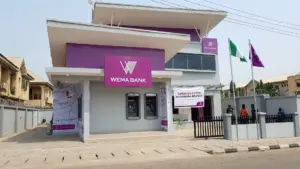
QR-on-Card: A low-cost solution enabling 1.8 million SMEs and gig workers (via UBA and Wema Bank) to receive payments without expensive hardware.
-
Feature Phone Inclusion: A partnership with KaiOS Technologies to bring digital payments to “non-smartphone” users, ensuring rural merchants are not left behind.
By the Numbers: Nigeria’s Q1 2025 Digital Explosion
The transition to a “cash-lite” society is no longer a future goal; it is a current reality. The sheer volume of transactions in early 2025 highlights the scale of this shift:
| Metric | Value (Q1 2025) | Year-on-Year Growth |
| Total E-Payment Value | ₦284.99 Trillion | +17.7% |
| PoS Transaction Value | ₦10.45 Trillion | New Record High |
| SME Digital Intent | 73% of Businesses | Significant Sentiment Shift |
Three Strategic Pillars for 2026
Femi-Lawal outlined Mastercard’s roadmap to cement its presence in Nigeria:
-
Affordability: Reducing the cost of “acceptance” for micro-merchants so they don’t need to buy ₦100k PoS machines.
-
Digital Trust: Enhancing cybersecurity and fraud prevention to give consumers confidence in “card-not-present” transactions.
-
Cross-Border Interoperability: Building the pipes that allow a Nigerian freelancer to get paid as easily from Nairobi or London as they do from Lagos.
“Nigeria represents one of the continent’s most vibrant innovation hubs,” Femi-Lawal noted. “We are focusing on solutions that ensure participation in the digital economy is not limited to smartphone users or urban centres.”
Strengthening the Financial Backbone
This digital surge is supported by a strengthening banking sector. Reports from the tech fest also highlighted that institutions like Signature Bank have already surpassed the CBN’s new recapitalization thresholds, raising their capital to ₦52 billion, ensuring the “plumbing” of the financial system can handle the massive transaction volumes projected for 2026 and beyond


