





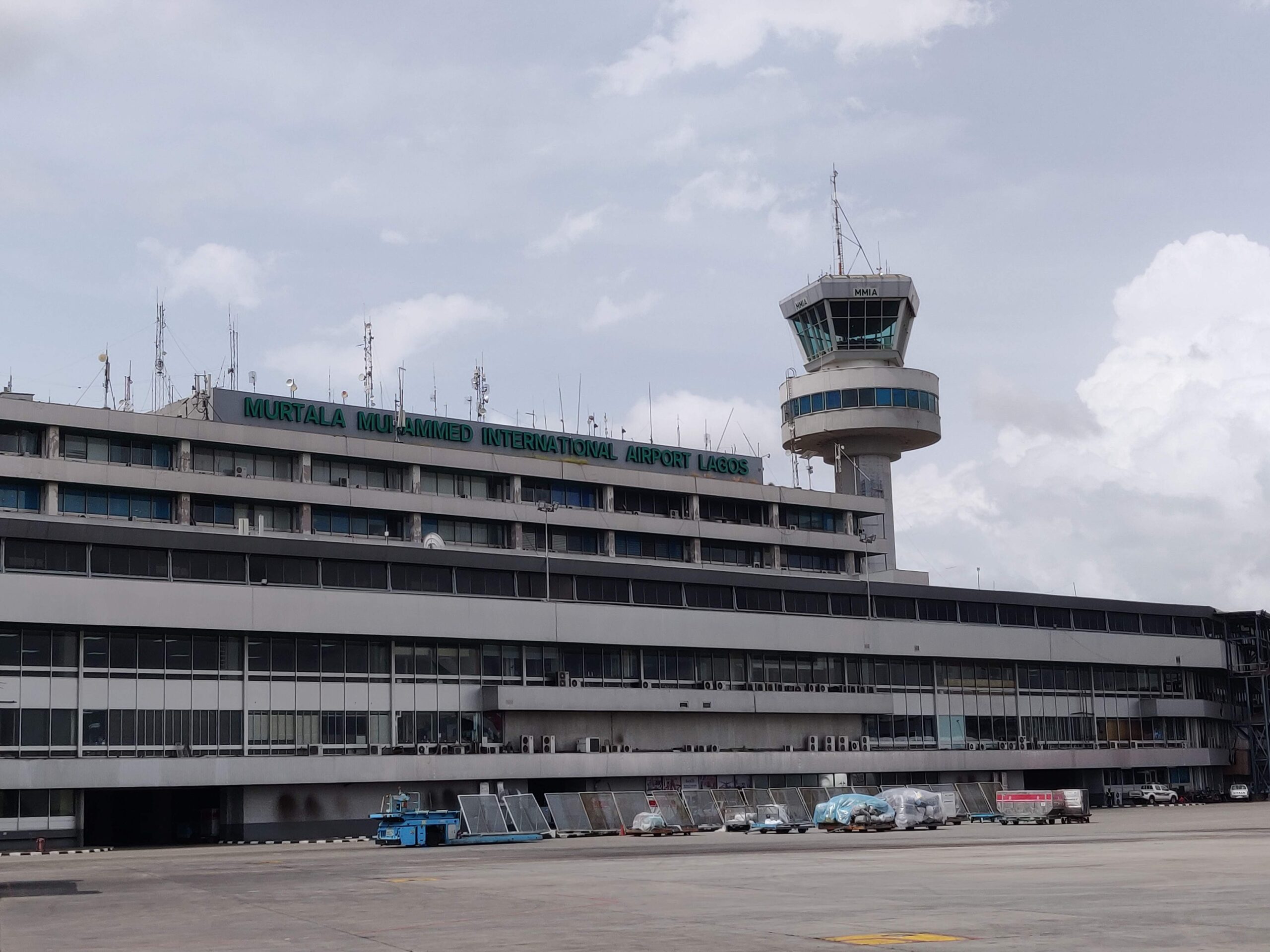
Nigeria’s aviation sector is in crisis, with 80% of the country’s airports operating at a loss and only a handful contributing meaningfully to the national economy. Despite being home to over 30 airports, only four are economically viable—Lagos, Abuja, Kano, and Port Harcourt—highlighting deep-rooted structural and financial issues plaguing the industry.
FAAN’s Financial Burden and Underutilized Airports
The Federal Airports Authority of Nigeria (FAAN), which oversees 22 federal airports, is struggling to stay afloat. While the agency lists 1,922 employees on its LinkedIn page, some reports suggest the workforce may exceed 10,000 when including contracted staff.
Yet, many airports under FAAN’s control generate only $1,000 to $7,000 annually, barely enough to cover basic operations. FAAN’s Managing Director, Olubunmi Kuku, disclosed that 19 airports are subsidized, operating without sufficient passenger traffic to justify their costs.
Kuku also noted the urgent need for infrastructure upgrades across most terminals, airside, and landside areas—further compounding the authority’s financial challenges.
Airlines Deep in Debt and Operating at Minimal Capacity
The bleak state of Nigerian airports is further worsened by airline insolvency and unpaid service fees. Many local airlines owe FAAN for essential services such as:
- Landing and parking
- Fuel supply
- Overflyer charges
- Other statutory dues
Airlines like Dana Air and Arik Air have previously faced suspensions over financial instability and safety violations, forcing them to drastically scale back or shut down operations.
According to aviation analysts, the high cost of operations, poor funding, FX scarcity, and weak regulatory enforcement are driving airlines and the broader airport ecosystem deeper into debt.
Economic Contributions From Four Key Airports
Between January 2020 and March 2024, just four airports (Lagos, Abuja, Kano, Port Harcourt) accounted for ₦5.57 trillion in foreign trade—₦529.68 billion in exports and ₦5.05 trillion in imports. This shows a lopsided system where the bulk of economic activity is concentrated in a few hubs, leaving other airports underutilized and unsustainable.
Security and Infrastructure Reform Needed
Experts argue that the airport sector’s revival depends not just on financial injections but also:
- Reviewing existing security protocols
- Establishing a clear chain of command
- Improving inter-agency communication
- Promoting regional air connectivity
Calls for a More Balanced Aviation Strategy
Despite the federal government’s efforts—including a recapitalization program that saw ₦2.4 trillion raised by banks—stakeholders believe more targeted, long-term reforms are needed.
Captain Ibrahim Kadafir Mshelia, CEO of Mish Aviation, emphasized the importance of addressing core issues like poor management, infrastructure decay, and limited regional development.
“To reoxygenate the sector, we need to look beyond money and tackle the root of the problems,” he said. “Only then can we build a sustainable and globally competitive aviation industry.”
As Nigeria’s aviation sector stands at a crossroads, the path forward must focus on financial transparency, infrastructure development, and policy reform to unlock its full economic potential.


