







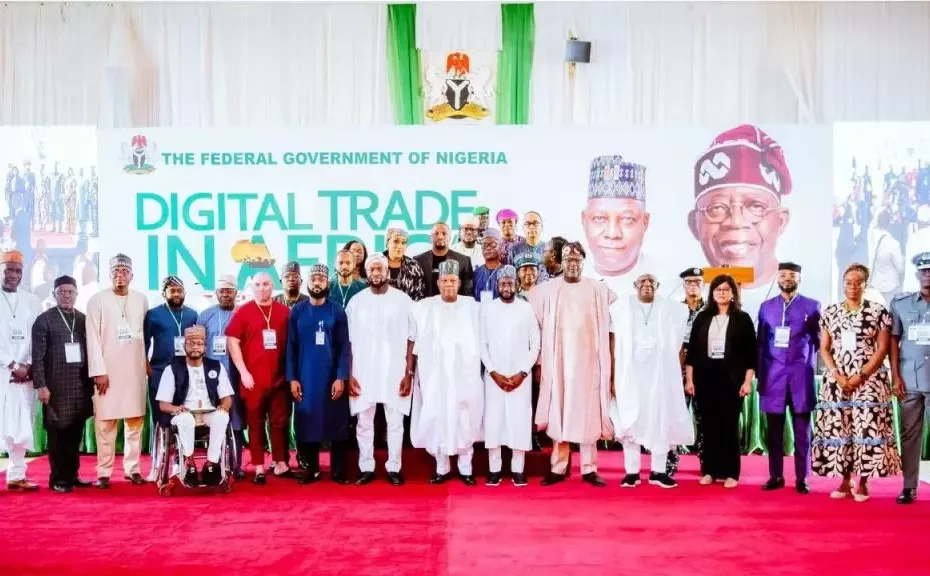
Across Africa’s digital map, Nigeria is emerging not just as a marketplace but as the machine room of the continent’s future economy. While online shopping platforms and fintech apps often steal the spotlight, the real transformation is happening behind the scenes — in warehouses, data networks, and credit systems that make trade possible.
A new report by TechCabal Insights, The Future of Commerce 2025, paints a revealing picture of this evolution. It argues that the next phase of Africa’s growth won’t come from more consumer-facing apps but from founders solving deep infrastructure problems — logistics, compliance, finance, and insurance — that keep millions of businesses stuck in the informal sector.
“The next revolution isn’t about what we buy online, but how trade itself moves,” the report emphasizes.
Beyond the Hype: The Hard Work of Digital Infrastructure
Nigeria’s digital economy may boast nearly 70% of West Africa’s 48 million e-commerce users, yet most local traders still face late deliveries, unpredictable transport costs, and limited access to loans or protection.
This is where innovation is quietly shifting. Companies like OmniRetail, led by Deepankar Rustagi, are rebuilding commerce from the ground up. Through a trio of platforms — OmniBiz, Mplify, and OmniPay — the company connects manufacturers, distributors, and over 150,000 small retailers across Nigeria, Ghana, and Côte d’Ivoire.
Rustagi describes it simply:
“When money and goods move together, growth happens faster.”
OmniRetail’s ecosystem processed more than ₦1.3 trillion in transactions last year and now disburses ₦19 billion in credit every month, making it one of Africa’s few profitable tech firms.
From Fintech to Fixtech
According to Ventures Platform’s Managing Partner, Dotun Olowoporoku, Nigeria’s next billion-dollar startups won’t just provide access — they’ll provide solutions.
“Fintech opened the door, but Fixtech will build the house,” he said, describing a shift toward B2B startups that handle supply chains, payments, and policy compliance.
The report calls these startups “painkillers” — companies that treat the real aches of African business rather than offering cosmetic fixes.
A Policy Shift for the Future
Government leaders are also realigning priorities. Jumoke Oduwole, Nigeria’s Minister of Industry, Trade, and Investment, said the nation is moving from a tariff-dependent economy to one powered by productive investment under the AfCFTA.
“We’re trading short-term customs revenue for long-term industrial capacity,” she explained. “Nigeria aims to be the innovation and production hub of Africa.”
Depth Over Hype
As TechCabal’s report concludes, Africa’s next commercial leap won’t come from digital marketplaces alone. It will come from Nigerian founders building the systems beneath the systems — technologies that power trade, credit, and logistics across borders.
These innovators may not dominate headlines, but they are constructing something more lasting: the invisible infrastructure that could define Africa’s place in the global economy.


