






MPC Decision Sparks Outcry from SMEs
The Central Bank of Nigeria (CBN) has maintained its Monetary Policy Rate (MPR) at 27.5% for the third consecutive time in 2025, drawing sharp criticism from small business owners who describe the policy as “crippling” to economic growth. Despite June’s inflation easing to 22.22% (from 22.97% in May), commercial bank lending rates remain above 30%, making credit inaccessible for most micro and medium enterprises (MSMEs).
Voices from the Business Community
1. “Suicidal to Borrow at 30%+”
-
Mohammed Damakka Abubakar (L and Z Ltd):
“No SME can survive these rates. We need single-digit loans or a dedicated intervention fund.” -
Fumen Makama (Fumtee Ventures):
“With inflation slowing, we expected rate cuts. Banks borrow at 30%—how can we repay?”
2. Exporters Hit Hard
-
Iliya Abubakar (Exporter):
“Expansion is impossible when borrowing costs erase profits. The government must act.”
3. Ripple Effects on Prices
-
Paul Oyewusi (POMA Point Ltd):
*”High rates + increased electricity/telecom tariffs = retail price hikes. SMEs are Nigeria’s backbone—50% of jobs come from us.”*
4. Breadmakers’ Plea
-
Engr. Emmanuel Onuorah (PBAN):
“Double-digit rates stifle growth. Credit is the lifeblood of business.”
CBN’s Stance: Inflation Fight Continues
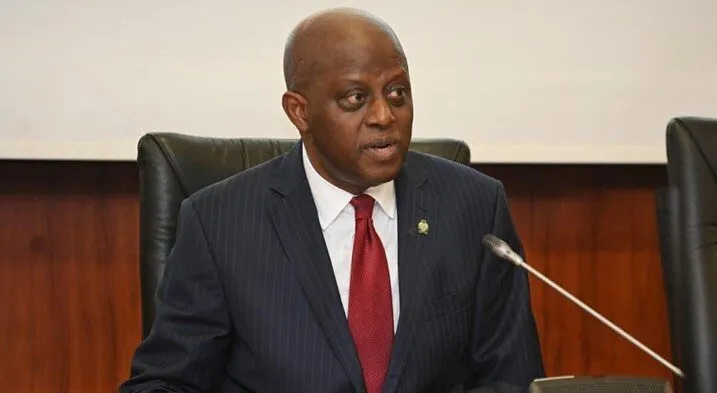
Governor Olayemi Cardoso defended the MPC’s unanimous decision, citing:
Progress on inflation (22.22% in June vs. 22.97% in May).
FX stability and fuel price moderation.
External reserves at $40.1bn (9.5 months of import cover).
But risks remain:
Geopolitical tensions could disrupt supply chains.
Election campaign spending may pressure the naira.
Banking Sector Update:
-
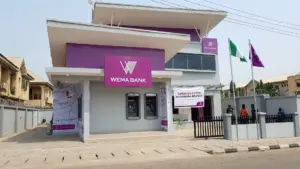
8 banks have fully met recapitalization requirements.
-
1 bank raised funds via the London Stock Exchange (LSE), signaling global investor confidence.
Why This Matters
Private sector credit hit ₦78 trillion in Q1 2025, yet MSMEs struggle to access affordable loans.
LCCI warns: High rates “squeeze” job-creating SMEs, urging fiscal-monetary coordination to address structural inflation drivers (insecurity, food supply gaps).
Economists predict: Inflation may ease further in 2026, but political spending could reverse gains.
Calls to Action
-
Government: Create MSME-specific intervention funds with single-digit rates.
-
CBN: Partner with fiscal authorities to tackle non-monetary inflation triggers.
-
Banks: Develop flexible repayment models for small businesses.


