





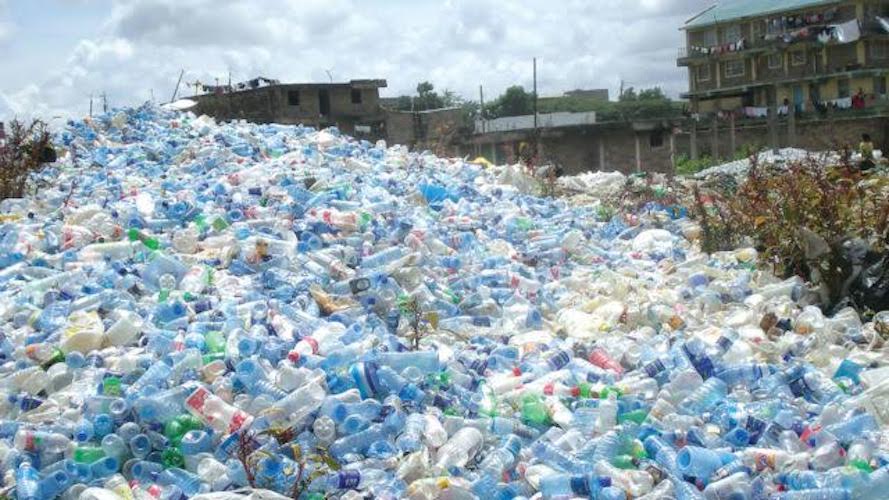
As Nigeria readies to enforce its nationwide ban on single-use plastics (SUPs) in federal ministries, departments, and agencies starting July 1, 2025, stakeholders from across the manufacturing, recycling, and waste management sectors are raising red flags over the policy’s potential to destabilize small and medium enterprises (SMEs).
The ban, spearheaded by the Federal Ministry of Environment, is part of Nigeria’s broader climate and sustainability agenda. However, industry experts argue that the policy, while well-intentioned, is being rolled out too rapidly and without sufficient support structures, which could severely impact local manufacturers, many of whom are already strained by inflation and other economic pressures.
Industry Groups Call for Phased Transition
Mansur Ahmed, Interim President of the Pan African Manufacturers Association (PAMA), cautioned that the outright ban on SUPs could jeopardize Africa’s fragile industrial ecosystem.
“Environmental sustainability is crucial, but it should not come at the cost of industrial resilience,” he said. “Africa must prioritize investment in recycling infrastructure and circular manufacturing over sudden bans.”
Ahmed warned that small plastic manufacturers, which play a vital role in sectors like food packaging, healthcare, and retail, are ill-equipped to handle an abrupt transition. He proposed a phased approach that includes:
-
Establishing regional recycling hubs
-
Offering transition incentives to SMEs
-
Enforcing extended producer responsibility (EPR) policies to keep plastic waste within a regulated economic loop
Calabar Chamber of Commerce Backs 10–15 Year Transition
David Etim, President of the Calabar Chamber of Commerce, echoed similar concerns. He emphasized that Nigeria currently lacks the infrastructure needed to support a full-scale migration away from SUPs and warned of unintended consequences.
“Switching to biodegradable alternatives like paper may worsen deforestation,” he stated. “Most manufacturers can’t afford the capital investments needed for new equipment without significant government support.”
Etim proposed a 10 to 15-year transition window and a collaborative strategy involving science, technology, and the private sector to create a sustainable, scalable path forward.
Waste Pickers Urge Delay and Public Engagement
From the waste management sector, Friday Oki, President of the Association of Scrap and Waste Pickers of Lagos, advocated for a minimum three-year delay in enforcement. He criticized the policy’s rollout for lacking stakeholder engagement and adequate public awareness.
“People feel ambushed,” he said. “A longer lead time and community education are critical to success.”
Dealers and SMEs Fear Collapse
Several SUP manufacturers and distributors also labeled the timeline as “insensitive,” particularly given Nigeria’s ongoing economic turbulence. They argued that the cost of retooling factories or sourcing alternative packaging materials could push many out of business.
Conclusion: Reform with Inclusion
While most stakeholders agree on the need to curb plastic pollution, they insist that the transition must be inclusive, gradual, and backed by enabling policies. Without such measures, the well-meaning environmental effort could backfire — harming the very SMEs that form the backbone of Nigeria’s manufacturing sector.
Calls continue for the government to engage stakeholders, establish recycling hubs, and provide financial and technical support to ensure a smooth and sustainable shift away from single-use plastics.


