





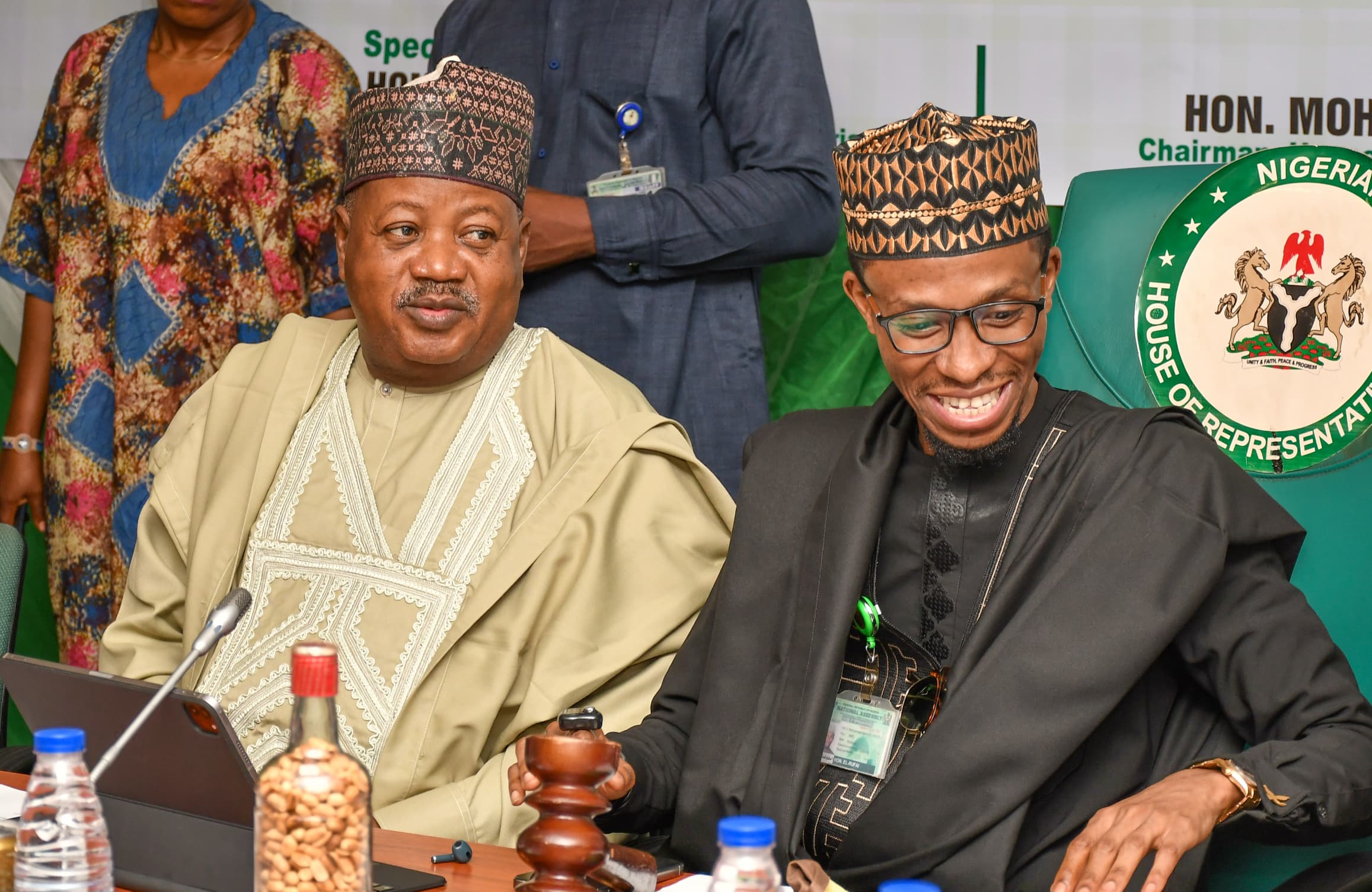
In a decisive step toward reinforcing Nigeria’s financial sector, the House of Representatives Committee on Banking Regulations convened a public hearing on Thursday in Abuja to deliberate on two pivotal bills designed to enhance transparency, protect consumers, and expand financing options for small and medium-sized enterprises (SMEs).
The session, chaired by Hon. Mohammed Bello El-Rufai, focused on:
-
HB. 516 – A Bill to Regulate Factoring, Purchase of Receivables, and the Establishment, Operation, and Control of Factoring and Receivables Financing Businesses.
-
HB. 1160 – A Bill to Amend the Banks and Other Financial Institutions Act (BOFIA) 2020.
“These bills are central to building a stronger, more transparent, and consumer-friendly financial sector,” El-Rufai noted, emphasizing their role in deepening access to finance, particularly for SMEs, and fostering accountability across the banking ecosystem.
Factoring and Receivables Financing: Unlocking Liquidity for SMEs
HB. 516 aims to transform trade finance in Nigeria by enabling enterprises to convert receivables into immediate cash, reducing waiting times and providing working capital for operations and expansion. Fabian Okoye, Special Adviser to Kaduna State Governor Senator Uba Sani, described the bill as a game-changer for liquidity in Nigeria’s productive sectors.
“Many Nigerian businesses deliver goods and services on credit but wait months before payment. Factoring provides a practical mechanism to unlock cash and sustain growth,” Okoye explained.
He stressed the importance of regulatory oversight and legal alignment with existing frameworks, including the Secured Transactions in Movable Assets Act, the Companies and Allied Matters Act, and relevant CBN regulations, to safeguard SMEs from predatory practices.
Enhancing Trust and Accountability in Banking
HB. 1160, sponsored by Hon. Moses Oluwatoyin Fayinka, seeks to strengthen consumer protections, particularly for victims of fraudulent withdrawals, while promoting accountability across financial institutions. El-Rufai highlighted that both bills share a unified goal: building trust, transparency, and stability in Nigeria’s financial ecosystem.
“When effectively implemented, these reforms will enhance investor confidence, lower the cost of credit, and spur sustainable economic growth,” he noted.
Stakeholder Collaboration and Next Steps
The hearing drew participation from a broad spectrum of stakeholders, including the Central Bank of Nigeria (CBN), Securities and Exchange Commission (SEC), Nigerian Export-Import Bank (NEXIM), Afreximbank, African Development Bank (AfDB), the World Bank, and organized private sector representatives such as NACCIMA and NASME.
Governor Sani lauded the leadership of Speaker Hon. Tajudeen Abbas and the Committee for advancing economic reform bills aimed at boosting Nigeria’s financial infrastructure and supporting SMEs.
“This Bill will not only expand access to finance but also encourage innovation, reduce the cost of credit, and stimulate inclusive economic growth,” he said.
Following the public hearing, both bills will undergo further legislative review, incorporating stakeholder feedback, before being presented for third reading and passage. If enacted, they are poised to redefine the landscape of SME financing and financial accountability in Nigeria, providing a framework for sustainable growth and investment confidence.


