





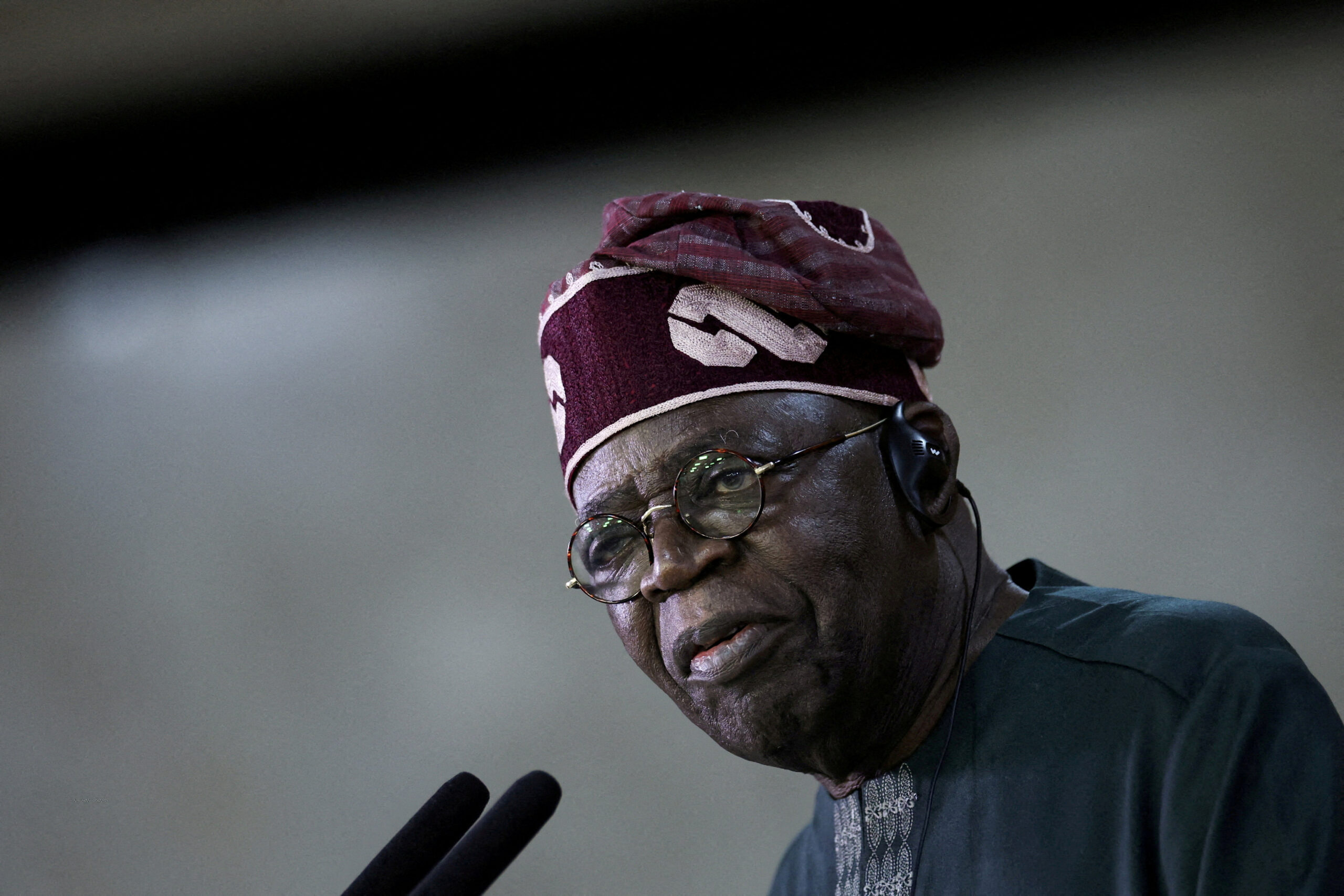
As of December 31, 2025, President Bola Tinubu has confirmed that Nigeria’s landmark tax reform laws will proceed with a full implementation date of January 1, 2026. Dismissing calls from opposition lawmakers to delay the rollout, the President characterized the move as a “once-in-a-generation” opportunity to modernize the nation’s fiscal foundation and strengthen the social contract.
The reforms, first signed into law in June 2025, represent the most significant overhaul of the Nigerian tax system in decades, consolidating multiple legacy statutes into a unified framework.
The “Gazette” Controversy
The rollout has faced late-stage turbulence due to allegations from opposition lawmakers regarding discrepancies between the bills passed by the National Assembly and the versions subsequently published in the Official Gazette.
-
Unauthorized Insertions: Critics allege the gazetted text grants tax authorities “draconian” powers, such as seizing assets without court orders.
-
Presidential Stance: Tinubu maintains that no “substantial issue” has been established to justify a delay, pledging to resolve any minor legislative inconsistencies through ongoing dialogue with parliament rather than pausing the reform.
Key Changes Affecting Citizens and Businesses
The 2026 tax regime introduces a “Robin Hood” style approach—providing relief for low-income earners while tightening the net for large corporations and high-net-worth individuals.
-
Relief for Low Earners: Individuals earning ₦800,000 or less annually are now entirely exempt from Personal Income Tax (PIT).
-
SME Support: Small companies with an annual turnover below ₦100 million are exempt from Companies Income Tax (CIT) and the newly introduced “Development Levy.”
-
Consolidated “Development Levy”: A new 4% levy on assessable profits replaces several older taxes (Tertiary Education, IT, NASENI, and Police Trust Fund levies), simplifying the compliance process.
-
Higher Capital Gains: The Capital Gains Tax (CGT) for companies has been increased from 10% to 30%, aligning it with the standard corporate tax rate.
-
The “NRS” Era: The Federal Inland Revenue Service (FIRS) officially transitions into the more autonomous and digitally-driven Nigeria Revenue Service (NRS).
The New Digital Frontier: Tax ID Portal
In a parallel move to ensure compliance, the Joint Revenue Board (JRB) launched the Nigerian Tax ID Portal on December 29, 2025.
-
Universal ID: Starting January 1, all taxpayers must use a new 13-digit Tax ID.
-
NIN Integration: For individuals, the ID is linked directly to their National Identification Number (NIN), making tax evasion significantly more difficult in the digital age.