





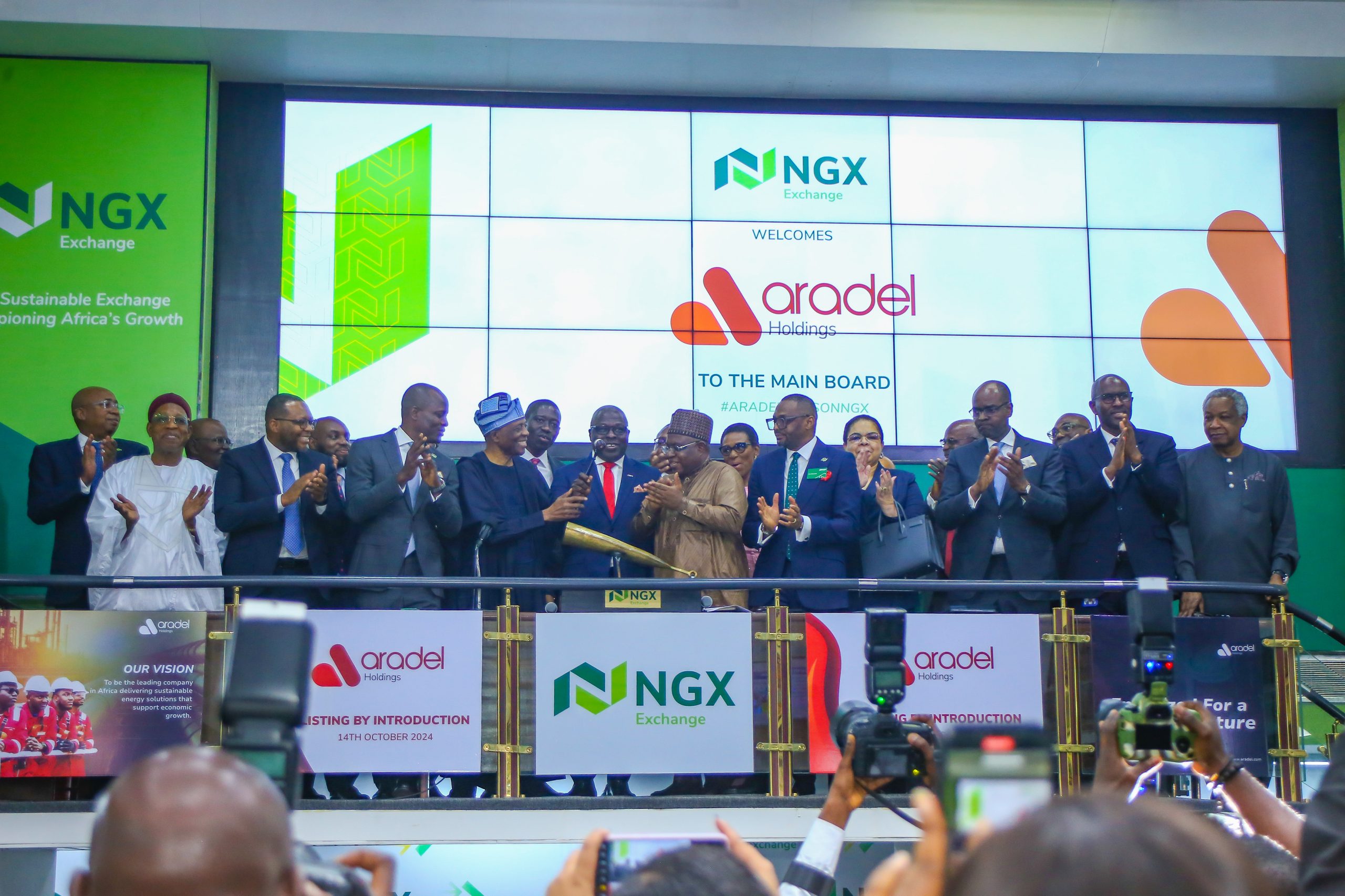
Nigeria’s stock market soared in 2024, but most Nigerians remain on the sidelines.
The Nigerian Exchange (NGX) posted an impressive 37.65% return in 2024, closing the year at 102,926.40 points, up from 74,773.98 at the beginning of the year. This bull run added ₦15.41 trillion in capital gains for investors, fueled by robust earnings from listed companies and policy reforms.
Yet, for the average Nigerian, the boom means little.
Why Nigerians Aren’t Investing Despite Market Gains
While the market’s performance paints a picture of prosperity, actual participation tells a different story. Out of over 5 million Central Securities Clearing System (CSCS) accounts, only about 100,000 are active, highlighting just how few Nigerians are engaged in equities.
Key Barriers to Stock Market Participation:
1. Low Income & High Living Costs
With food taking up over 60% of household expenses, many Nigerians can’t afford to invest. Persistent inflation and economic hardship mean most prioritize daily survival over long-term financial planning.
2. Financial Illiteracy & Misconceptions
Many believe the stock market is for the wealthy. The truth? Investing is most vital when you earn less, as it helps build passive income. Yet, lack of education, tech skills, and awareness keeps people out.
3. Mistrust in Financial Institutions
Years of Ponzi scheme scams have left deep scars. Nigerians have lost over $1 billion to fraudulent schemes in the last decade alone. This history—paired with poor transparency, weak regulation, and exploitative bank fees—has shattered confidence in formal financial systems.
4. Cultural Bias Toward Quick Wealth
In a society where success is often measured by how quickly wealth is acquired, get-rich-quick schemes flourish. This mindset steers people away from stable, long-term investments like stocks and into high-risk scams promising fast profits.
The Bigger Picture: Financial Exclusion
According to the Central Bank of Nigeria (CBN) and EFInA, over 36% of Nigerians remain financially excluded. Reasons include:
-
Low income and poor financial education
-
Limited access to digital investment tools
-
Deep-seated distrust of banks and brokers
Even when opportunities exist, transaction costs, hidden fees, and minimum investment thresholds discourage participation, especially among lower-income groups.
What Needs to Change?
To increase investment participation:
-
Boost financial literacy through grassroots campaigns
-
Build trust by tightening regulations and punishing scams
-
Simplify access through user-friendly fintech platforms
-
Lower investment barriers and transaction fees
-
Create inclusive policies that support low-income earners
Until these gaps are bridged, the stock market may continue to thrive—but without the majority of Nigerians sharing in its success.